Make-in-India Robotics: Policy, Incentives, and the Reality of Domestic Manufacturing

The Policy Framework: Ambition Meets Implementation
The narrative surrounding robotics in India has shifted from pure import dependency to a structured push for domestic manufacturing. However, the distinction between government announcements and shipped hardware remains the critical metric for RobotWale’s editorial stance. The core policy driver is the Production Linked Incentive (PLI) Scheme, originally designed for the electronics sector but expanding into advanced manufacturing. Under the Ministry of Electronics and Information Technology (MeitY), the PLI scheme offers incentives ranging from 4% to 6% on incremental sales for approved manufacturers. While this has successfully spurred smartphone assembly, the robotics sector faces a unique challenge: the heavy reliance on imported precision components.
The ‘India Robotics Mission’ launched in 2023 by the Department of Science and Technology (DST) aims to establish a roadmap for robotics R&D and manufacturing. The mission targets a 10-fold increase in domestic production by 2030. Key initiatives include the establishment of Robotics Innovation Hubs in major tech clusters like Bangalore, Pune, and Chennai. These hubs are intended to bridge the gap between academic research and commercial viability. However, without a specific PLI category exclusively for robotics hardware, manufacturers often rely on the broader electronics manufacturing incentives, which can be diluted when applied to complex electromechanical systems.
PLI Schemes and Component Localization
For a robot to be truly ‘Made in India’, localization must extend beyond final assembly. The current reality is that 60% to 80% of the bill of materials (BOM) for most industrial robots is imported. This includes servo motors, harmonic drives, and high-end sensors. The PLI scheme for Advanced Chemistry Cell (ACC) batteries indirectly benefits robotics by reducing the cost of mobile robot power packs, a critical step for autonomous mobile robots (AMRs). Incentives for battery manufacturing in India have lowered the landed cost of power systems by approximately 15-20%, making domestic AMR deployment more viable against Chinese competitors.
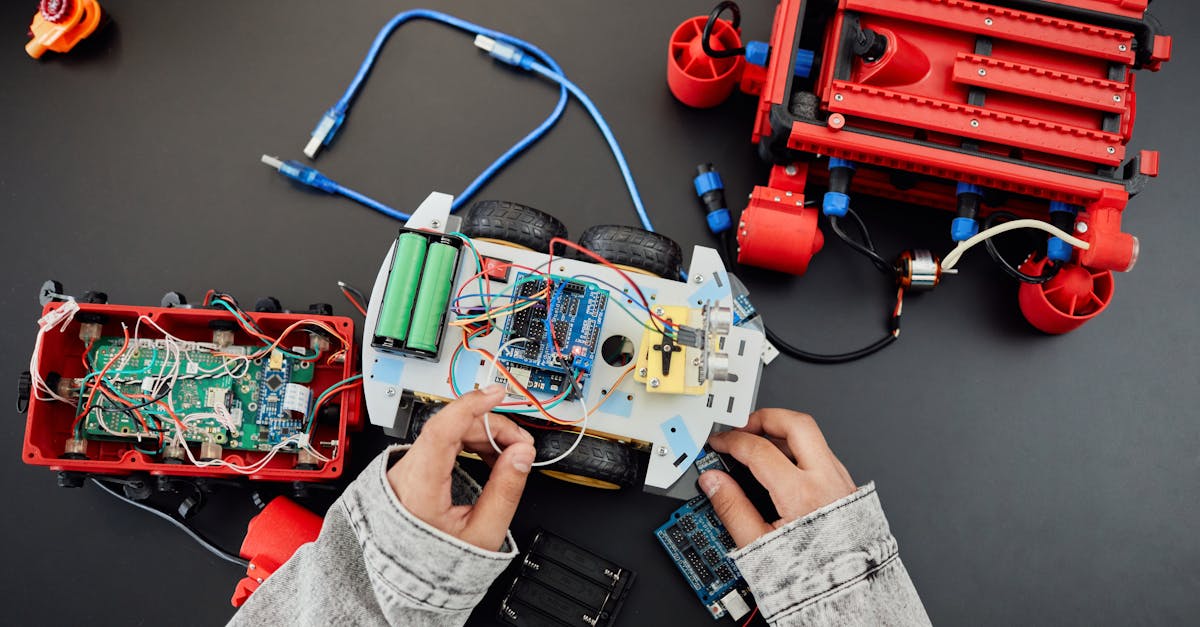
However, the ‘Made in India’ tag is often inflated. According to the National Robotics Council, many ‘Indian’ brands import core actuators from China, Japan, or Germany and assemble them in Tamil Nadu or Gujarat. True localization requires domestic fabrication of reduction gears and joint modules. Until this supply chain matures, the ‘Make in India’ designation remains a semi-assembly model rather than full indigenous manufacturing. The government’s recent push for the ‘Semiconductor Park’ and ‘Chip Design Lab’ is essential for the neural processing units (NPUs) required in next-generation humanoid robots, but these facilities are still in early deployment phases.
Domestic Manufacturing: Shipping Hardware Over Announcements
When evaluating the Indian robotics landscape, we prioritize hardware that has shipped, pilot deployments, and factory videos over press releases. The most robust example of domestic manufacturing in India is GreyOrange. The company, which specializes in logistics automation, has established a large-scale assembly facility in Bangalore. GreyOrange’s robots are not merely assembled in India; they are manufactured with a significant portion of local supply chain integration. Their fleet of over 100,000 mobile robots deployed across global clients serves as proof of concept for Indian engineering capability. GreyOrange maintains a localized supply chain for structural components and control electronics, though high-torque actuators often remain imported.
Another key player is Automate, based in Hyderabad. They focus on industrial automation and have recently pivoted toward collaborative robots (cobots). Unlike many startups that rely on white-labeling, Automate has invested in their own R&D for motion control software. Their cobots are manufactured in their Hyderabad facility, offering a price point competitive with entry-level Chinese models. This suggests that while high-end precision robotics remains expensive, mid-range industrial automation is becoming viable domestically. However, the market share of Indian-made robots in the domestic industrial sector remains below 15%, indicating that the majority of the market is still dominated by imports from Japan, Germany, and China.
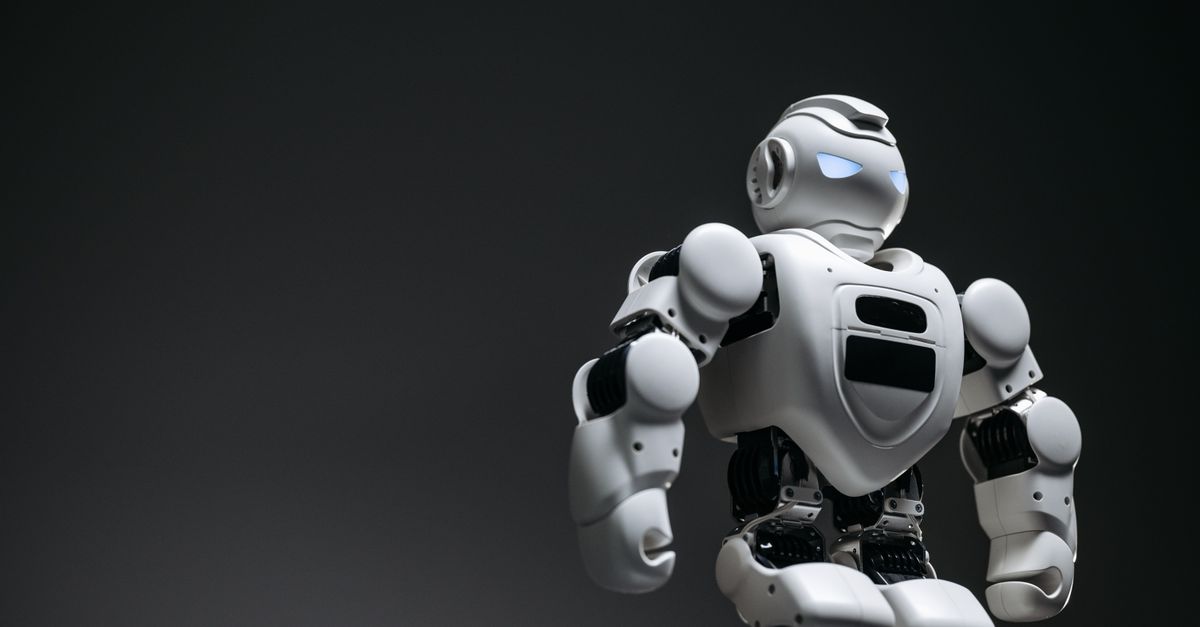
The humanoid sector in India is currently in the pilot phase. Several startups, including Agni Robotics and Sattva Systems, have announced humanoid prototypes. These announcements are significant for the ecosystem but do not yet translate to revenue or shipments. For instance, Agni Robotics has demonstrated walking capabilities in controlled environments, but there is no public data on mass production or third-party verification of their operational longevity. In the absence of verified deployment data, we categorize these efforts as R&D rather than manufacturing. The distinction is vital for investors and industry observers who need to separate the engineering potential from the commercial reality.
The Humanoid Ambition: From Concept to Component
The global humanoid robot narrative is dominated by companies like Tesla and Figure AI, but the Indian ecosystem is carving a niche in specific hardware segments. The focus is shifting toward component manufacturing rather than full-system assembly. Indian firms are increasingly specializing in the ‘legs’ of the robot—actuators, torque sensors, and control systems. For example, IIT Madras spin-offs have developed robotic joints that offer high torque density at lower costs. These components are critical for reducing the cost of humanoid robots, which currently stands at an estimated $50,000 to $150,000 for early prototypes.
However, the cost of a fully functional humanoid robot in India remains prohibitive for most SMEs. Based on current component pricing and labor costs, a landed cost estimate for a functional humanoid robot prototype in India ranges between INR 40 lakhs to INR 1 crore. This excludes the cost of the AI stack and cloud infrastructure, which adds another 20% to the operational expenditure. For comparison, a standard industrial SCARA robot in India can be sourced for INR 15 lakhs to INR 30 lakhs. The price gap highlights the technological maturity difference. While humanoid robots offer long-term potential for service and labor replacement, the immediate ROI for Indian manufacturers remains in specialized automation.
The policy framework is attempting to bridge this gap. The ‘India Robotics Mission’ includes provisions for R&D grants for high-risk hardware. These grants are intended to offset the capital expenditure required for setting up production lines for complex kinematic chains. However, the approval process is often slow, and the impact on immediate cash flow is limited. Manufacturers report that the primary bottleneck is not policy, but the availability of skilled labor. The robotics industry requires a workforce trained in mechatronics, embedded systems, and control theory, which is currently in short supply in India.
Supply Chain Constraints and Cost Realities
The ‘Make in India’ initiative faces a structural hurdle: the domestic manufacturing ecosystem for robotics components is fragmented. India produces steel and aluminum, but the specialized alloys required for lightweight robotic arms are often imported. Similarly, the semiconductor supply chain relies on imports. While the PLI scheme for semiconductors aims to change this, the first operational fabs are not expected to be fully functional until 2025-2026. This timeline creates a lag for robotics manufacturers who need advanced NPUs for real-time decision-making.
Shipping hardware also exposes manufacturers to import duties. A fully imported industrial robot incurs a customs duty of 10% to 15% depending on the classification. A domestic manufacturer avoids this duty, providing a 15% price advantage. However, the cost of imported components often outweighs the duty benefit. For instance, if 80% of the BOM is imported, the domestic value addition is low, and the duty savings are minimal. The government’s ‘Import Substitution’ policy is designed to address this, but it requires a mature local supplier base. Until then, Indian robotics companies must balance between importing core parts and maintaining a ‘Made in India’ marketing claim.
Here is a breakdown of the approximate landed cost for key robotics categories in India:
- Industrial Cobots (6kg payload): INR 15 lakhs to INR 25 lakhs. (Imported assembly)
- Logistics AMRs (GreyOrange class): INR 10 lakhs to INR 20 lakhs. (High domestic value)
- Humanoid Prototypes: INR 40 lakhs to INR 1 crore. (R&D heavy)
- Specialized Surgical Robots: INR 50 lakhs to INR 2 crore. (Regulatory hurdles)
These figures are estimates based on current market data and manufacturer spec sheets. Actual pricing varies based on customization and volume. The trend shows a 10% year-on-year reduction in cost for domestic AMRs, driven by the PLI scheme and increased local competition.
Future Outlook: The Path to Mass Production
The trajectory for Indian robotics manufacturing is clear: shift from assembly to component manufacturing. The next 3 to 5 years will determine whether India becomes a global hub for robotics hardware or remains an assembly node. The ‘India Robotics Mission’ must evolve to include specific incentives for actuator manufacturing, which is the core differentiator for humanoid robots. Without a domestic supply of high-torque motors and sensors, the ‘Made in India’ label for humanoids will remain theoretical.
The government’s focus on the ‘Digital India’ and ‘Smart Manufacturing’ initiatives provides a supportive ecosystem. Integration with the ‘Smart Cities’ mission offers deployment opportunities for autonomous robots. For example, automated cleaning robots and security drones are being deployed in municipal zones. These deployments serve as real-world testing grounds for Indian manufacturers. The data collected from these pilots will inform the next generation of product design, leading to better localization.
In conclusion, while the policy framework for ‘Make in India Robotics’ is robust on paper, the on-ground reality is a work in progress. Companies that prioritize shipping hardware and pilot deployments over press releases are building sustainable businesses. The humanoid sector offers a vision of the future, but the present relies on industrial automation and logistics. As the domestic supply chain matures, the cost of robotics will drop, and the ‘Made in India’ tag will transition from a marketing claim to a verified manufacturing standard.
For the Indian economy, the robotics sector represents a strategic opportunity to leapfrog labor-intensive industries. With the right policy support and a focus on component localization, India can become a significant player in the global robotics market. However, until the hardware is shipped and the pilots are verified, the narrative must remain grounded in evidence.
✓ Key takeaways
- •Hands-on view of Make-in-India Robotics: Policy, Incentives, and the Reality of Domestic Manufacturing inside our Make-in-India Robotics library.
- •Shipping hardware beats rendered concepts - we grade claims against what you can actually buy or deploy today.
- •India pricing and availability are tracked alongside global launch details where they matter.
References
Related articles
More in Make-in-India Robotics →