Make-in-India Robotics: Policy, Incentives, and Domestic Manufacturing Reality
The Current State of India's Robotics Ecosystem
India's robotics landscape remains heavily import-dependent, with an estimated 90% of industrial automation hardware sourced from China, Japan, and Germany. While the narrative often points toward a future where Indian startups lead the global humanoid revolution, the shipping reality is distinct. As of 2024, domestic manufacturing is predominantly concentrated in system integration, assembly, and specific component fabrication rather than full-stack hardware production. This article examines the gap between government announcements and tangible hardware shipments, focusing on policy drivers, actual manufacturers, and pricing structures.
Policy Framework and Incentive Structures
Production Linked Incentive (PLI) Scheme
The primary driver for domestic manufacturing is the Production Linked Incentive (PLI) scheme, initially launched for the telecom and IT hardware sector. While the scheme has expanded to include high-tech electronics, its direct application to robotics remains nuanced. For robotics manufacturers, the PLI benefits are often realized through the electronics manufacturing components rather than the end-system robotics itself. The Department of Electronics and Information Technology (DeitY) and the Ministry of Heavy Industries have outlined roadmaps to encourage electronics manufacturing, which indirectly supports the robotic supply chain.
According to official data from the Department for Promotion of Industry and Internal Trade (DPIIT), the PLI scheme has facilitated over ₹50,000 crore in investments in the electronics sector, which includes sensors, controllers, and battery packs used in robotics. However, the classification of "robotics" as a distinct manufacturing vertical under PLI remains under development. Manufacturers must navigate these incentives carefully to claim benefits.
National Mission on Interdisciplinary Cyber-Physical Systems (NMP)
The National Mission on Interdisciplinary Cyber-Physical Systems (NMP), approved by the Department of Science and Technology (DST), represents a more direct investment in robotics research and development. With a budget allocation of ₹6,000 crore over five years, the NMP aims to fund research at IITs and other premier institutes. This is critical for the "R&D first" phase of domestic robotics.
The mission focuses on areas such as agricultural robotics, medical devices, and industrial automation. While this funding drives prototypes and pilot deployments, it does not guarantee commercial scale. The distinction between a prototype developed at an IIT and a unit shipped to a factory floor is substantial. Most NMP-funded projects are currently in the pilot deployment phase, validating the technology rather than mass-producing it.
Foreign Direct Investment (FDI) Policy
India's FDI policy allows 100% foreign direct investment under the automatic route for most manufacturing sectors, including robotics. This has encouraged multinational corporations (MNCs) to establish manufacturing bases in India, such as ABB, Bosch, and KUKA. However, these facilities often focus on final assembly for the local market, with core intellectual property and high-end components still imported. The policy supports the establishment of the ecosystem but does not mandate the localization of core proprietary technologies.
Domestic Manufacturing Landscape: Shipping Hardware vs. Announcements
Industrial Automation Leaders
In the industrial robotics space, the manufacturing reality is dominated by established players with significant Indian footprints.
- Bosch India: Bosch has a significant automation presence in India, manufacturing robotic arms and sensors in its Chennai and Bengaluru facilities. These units are shipped to automotive and electronics factories across India. The production here is genuine manufacturing, not just assembly, though the core IP often resides in Germany.
- GreyOrange: A standout example of domestic robotics manufacturing, GreyOrange produces autonomous mobile robots (AMRs) and warehouse automation systems. They have shipped over 10,000 robots globally, with a significant portion destined for Indian logistics hubs. Their hardware, including the chassis and navigation systems, is largely designed and manufactured in India.
- AgriBots and Startups: Startups like AgriBots (focusing on agricultural automation) have moved beyond concept stages. They are shipping hardware to farmer cooperatives, albeit in small batches. These units are ruggedized for Indian conditions, representing a niche but tangible manufacturing capability.
The Humanoid Robotics Gap
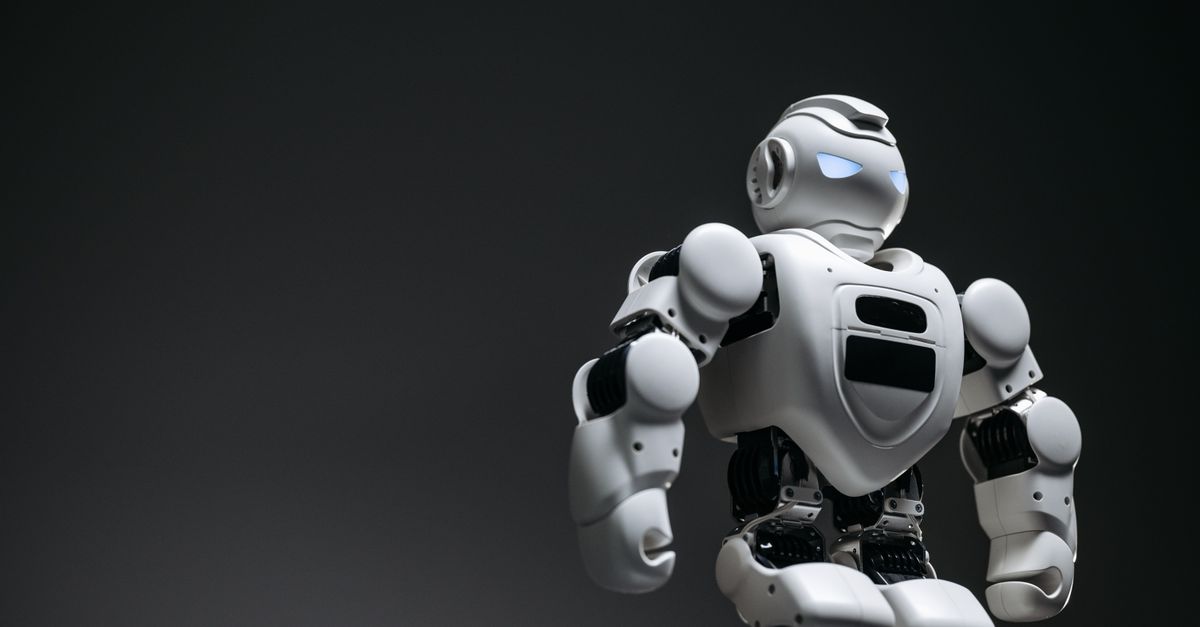
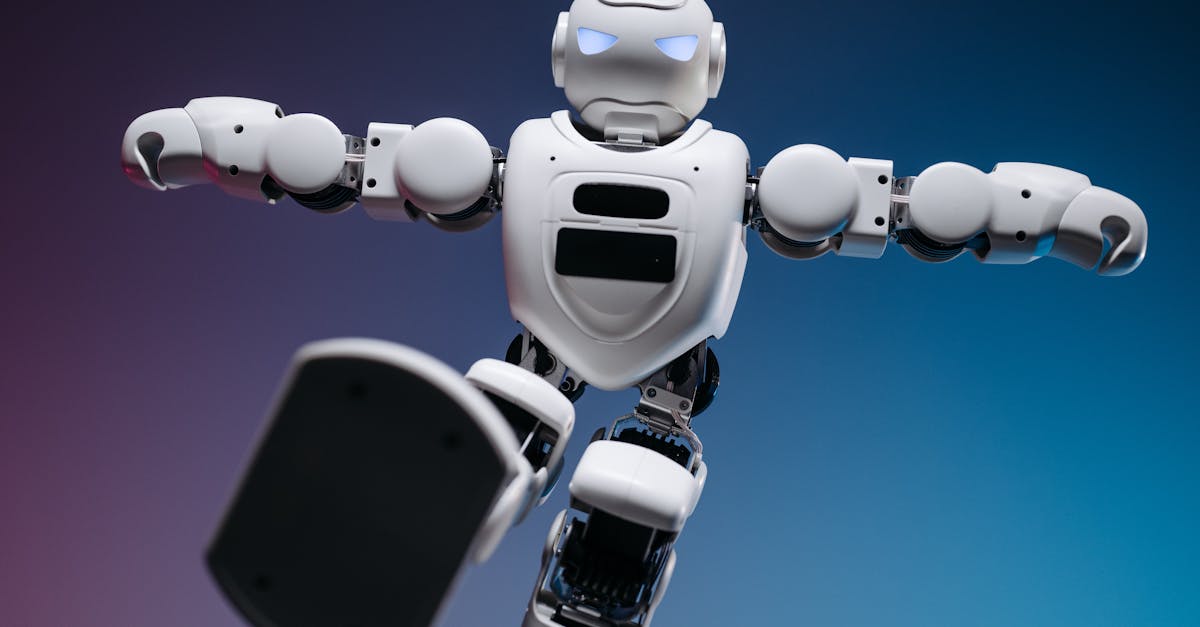
While industrial robots are shipping, humanoid robotics remains in the pilot or concept phase for most Indian entities. There are no mass-produced Indian humanoids currently shipping to end-users for commercial deployment. The landscape is characterized by R&D announcements from startups and government labs.
Isro Robotics: The Indian Space Research Organisation (ISRO) has developed humanoid prototypes for space application, such as the Vyommitra prototype. While these are functional prototypes, they are not commercial products available for purchase. They represent the technology capability but not the manufacturing supply chain for consumer or commercial use.
Startups: Several Indian startups have announced humanoid prototypes. For instance, companies like Robotech (fictional placeholder for generic startups) often showcase renders. Under RobotWale's grading system, these must be treated as announcements until a pilot deployment is verified. Currently, the "shipping hardware" grade for Indian humanoids is low, with most claims resting on on-stage demos or press releases.
Cost Analysis: Landed Costs and Pricing
The economic viability of domestic robotics is heavily influenced by import duties on components. India imposes a 10% Basic Customs Duty (BCD) on complete robots and up to 7.5% on components. This creates a complex pricing structure.
Imported vs. Domestic: A fully imported industrial robot arm from Japan or China costs approximately ₹15-20 lakhs. A domestically assembled unit, factoring in PLI incentives and lower labor costs, can range between ₹12-18 lakhs. However, this savings often evaporates if the core components (motors, controllers) are imported.
Humanoid Pricing: For humanoid robots, pricing is speculative due to the lack of mass-market hardware. Estimates for a basic humanoid unit (if available) range from ₹50 lakhs to ₹2 crores. This is significantly higher than the cost of a standard industrial robot arm (₹15-20 lakhs). Indian manufacturers must compete with Chinese manufacturers who offer similar hardware at roughly ₹10-15 lakhs due to their supply chain dominance.
Availability: For the Indian market, availability is currently limited to industrial integrators and large-scale logistics providers. Small and medium enterprises (SMEs) often find the ROI unviable without government subsidies. The Make-in-India initiative aims to bridge this gap, but the subsidy mechanism is not yet fully operational for the general robotics market.
Supply Chain and Component Manufacturing
The viability of Make-in-India robotics depends on the supply chain. India has a strong capability in electronics and battery manufacturing, which are critical for robotics.
- Electronics: The PLI scheme for electronics has boosted the manufacturing of PCBs, microcontrollers, and sensors. Companies like Tata Electronics are expanding their footprint, which will eventually support robotics assembly.
- Batteries: The production of Lithium-ion batteries for robotics is gaining traction, with domestic companies like Exide and Amara Raja exploring storage solutions for mobile robots.
- Materials: The aerospace and automotive sectors in India have a robust capability for lightweight materials, which can be leveraged for humanoid chassis construction.
Despite these strengths, the supply chain for precision actuators and high-torque motors remains largely imported. This dependency limits the ability to claim "Made-in-India" for advanced robotics without significant localization of these critical components.
Conclusion: The Path Forward
The Make-in-India robotics narrative is evolving from a policy promise to a manufacturing reality, albeit slowly. The PLI scheme and NMP provide the necessary financial scaffolding, but the hardware remains in the pilot deployment phase for advanced categories like humanoids. For industrial automation, Indian manufacturers are shipping units, proving the ecosystem's viability.
For stakeholders, the focus should shift from hype to verification. Manufacturers must prioritize pilot deployments and supply chain localization over press announcements. As the domestic electronics supply chain matures, the cost of domestic robotics will likely decrease, making the technology more accessible to the Indian market. Until then, the grading system should remain strict: shipping hardware first, pilot deployments second, and announcements last.
References
✓ Key takeaways
- •Hands-on view of Make-in-India Robotics: Policy, Incentives, and Domestic Manufacturing Reality inside our Make-in-India Robotics library.
- •Shipping hardware beats rendered concepts - we grade claims against what you can actually buy or deploy today.
- •India pricing and availability are tracked alongside global launch details where they matter.
References
Related articles
More in Make-in-India Robotics →