Public Robotics Markets: A Reality Check on Hardware Revenue vs. IPO Hype
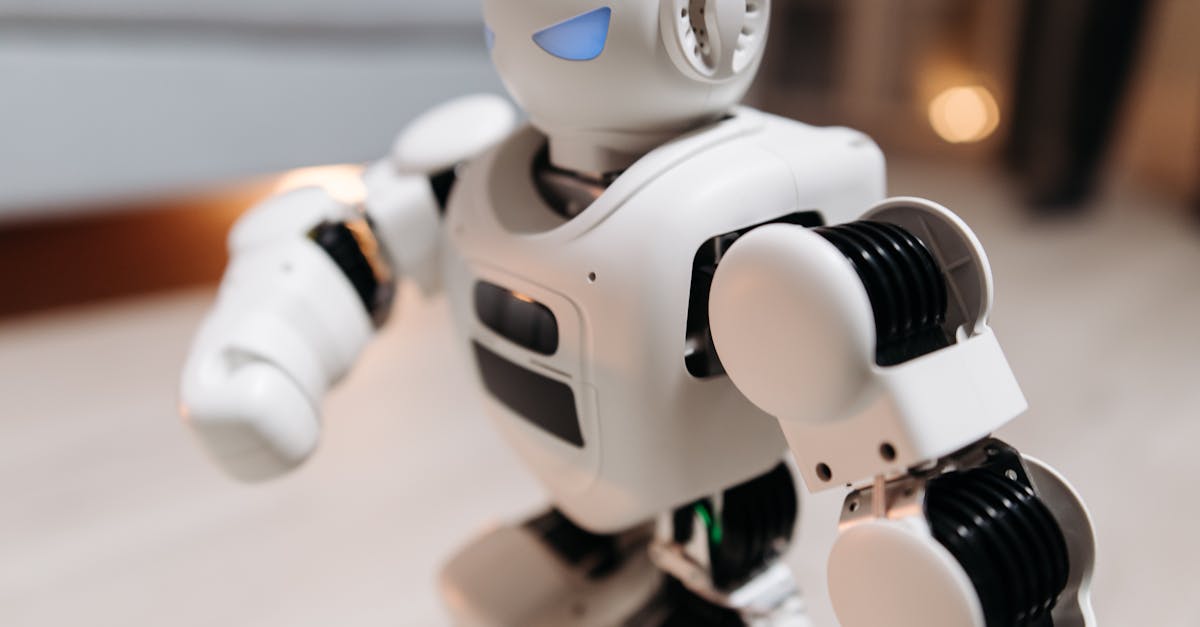
The Public Robotics Landscape: Revenue vs. Narrative
The narrative surrounding robotics has often been driven by venture capital valuations rather than public market fundamentals. When evaluating Robotics IPOs and the broader public equity market, RobotWale applies a strict grading system: shipping hardware ranks first, pilot deployments second, and announcements last. The public markets reflect this reality more accurately than private funding rounds. While headlines frequently mention humanoid robots from companies like Figure AI or Apptronik, these entities remain private. The public robotics sector is dominated by established players with proven supply chains and recurring revenue streams.
For investors and industry observers, the distinction is critical. Public markets penalize hardware companies that cannot demonstrate unit economics. Consequently, the most robust robotics stocks are those rooted in industrial automation, surgical systems, and logistics infrastructure rather than speculative general-purpose humanoid prototypes.
Established Public Giants: Industrial and Surgical Dominance
The backbone of the public robotics market consists of companies that have been shipping hardware for decades. These firms provide the data necessary to assess market health.
Intuitive Surgical (NASDAQ: ISRG)
Intuitive Surgical is perhaps the closest the public market comes to a pure-play robotics IPO success story, though its focus is surgical rather than general-purpose. The company’s Da Vinci Systems are installed in major hospitals globally, including top-tier facilities in India such as Apollo Hospitals and Fortis Healthcare. The company reports recurring revenue from installed base maintenance and disposable instruments, which ensures financial stability.
Revenue for Intuitive Surgical has consistently exceeded $3 billion annually in recent fiscal years. While the stock trades on the NASDAQ, Indian investors can access exposure through international brokerages. The hardware is expensive, with surgical robot systems often costing between $1 million to $2.5 million USD per unit, translating roughly to INR 8.5 crore to INR 21 crore per unit at current exchange rates.
ABB Group (SIX: ABB)
ABB Group, headquartered in Switzerland, is a leader in industrial automation. Its Robotics & Discrete Automation division accounts for a significant portion of its revenue. ABB has a substantial presence in India, with manufacturing and assembly facilities in Chennai and Noida. The company ships industrial arms for automotive and logistics sectors.
Unlike the hype-driven valuations of private startups, ABB’s stock price correlates with industrial capacity utilization. In India, ABB’s industrial robots are widely deployed in the automotive sector, particularly for welding and assembly. The company does not announce a specific INR price for its robots publicly, but typical industrial arms range from USD 15,000 to USD 80,000 depending on payload and reach.
Fanuc Corporation (TSE: 6954)
3>Fanuc, a Japanese multinational corporation, specializes in factory automation. It is one of the largest robotics manufacturers by revenue. Fanuc has a direct presence in India through its subsidiary, Fanuc India Private Limited. The company focuses on CNC systems and industrial robots, which are essential for the Indian manufacturing push.
Fanuc’s financial reports highlight high order backlogs, indicating sustained demand for hardware. The company’s reliability is a key factor in its market valuation. While the stock is listed in Japan, its global influence makes it a benchmark for the robotics sector. Fanuc does not typically publish retail pricing, but enterprise contracts often exceed USD 50,000 per robot arm.
The Humanoid Gap: Why Few Robotic IPOs Exist
Despite the surge in humanoid robot announcements from figures like Elon Musk and Sam Altman, there is currently no pure-play humanoid robotics IPO. Companies like Figure AI, Apptronik, and Agility Robotics remain private. This absence is due to the lack of shipping hardware.
Public markets require audited financial statements showing revenue generation. Humanoid robotics companies are still in the R&D or pilot phase. For instance, while Tesla (TSLA) is a public company, its Optimus robot is not a standalone revenue line item. Tesla’s valuation is driven by automotive sales and energy storage, not robot shipping.
This gap highlights the maturity of the sector. Investors seeking exposure to humanoids through public markets currently rely on tech conglomerates rather than dedicated robotics firms. The risk profile is higher, as hardware development cycles for general-purpose robots often exceed 5 to 10 years.
Tech Giants and Robotics Exposure
Certain public companies have significant robotics divisions, though they are not pure-play robotics stocks.
Nvidia (NASDAQ: NVDA)
Nvidia provides the AI infrastructure for robotics. Its Isaac platform is used by many robotics developers. While Nvidia is not a robotics manufacturer per se, its chips are critical for robot autonomy. The stock is accessible in India via international markets or indirectly through technology ETFs. The revenue correlation is strong, as AI chip demand scales with robot deployment.
Teradyne (NASDAQ: ROK)
Teradyne owns Universal Robots, a manufacturer of collaborative robots (cobots). These robots are smaller and easier to deploy than traditional industrial arms. Teradyne’s revenue includes the sale of cobots and the maintenance of the UR+ ecosystem. Universal Robots are popular in Indian SME manufacturing due to their lower cost barrier compared to heavy industrial arms.
Universal Robots cobots typically range from USD 25,000 to USD 45,000. In India, this translates to INR 21 lakh to INR 38 lakh. The company has demonstrated profitability, making it a safer public market bet compared to early-stage humanoids.
Indian Market Access and Hardware Availability
For Indian investors and industry stakeholders, understanding the availability of robotics hardware is as important as the stock performance. While direct access to robotics IPOs is limited due to the lack of Indian-based robotics listings, hardware availability is robust.
Direct Hardware Access in India
Major robotics manufacturers have established Indian subsidiaries. ABB, Fanuc, and Yaskawa Electric Corp operate branches in India. These subsidiaries sell hardware directly to local manufacturers. For example, ABB India sells industrial robots for automotive and electronics assembly.
Approximate Pricing:
- Industrial Arms: INR 20 lakh to INR 1 crore.
- Cobots: INR 15 lakh to INR 50 lakh.
- Surgical Systems: INR 8 crore to INR 25 crore (imported).
These costs reflect the landed price, including import duties and logistics. The high cost of entry limits the adoption to large-scale manufacturers, which impacts the total addressable market for robotics IPOs in India.
Stock Market Access
Most robotics companies listed on major exchanges like the NYSE or NASDAQ are not directly available on the NSE or BSE. Indian investors typically access these through international accounts or thematic ETFs. There are no pure-play robotics stocks listed on the NSE. Companies like Larsen & Toubro (L&T) or Tata Motors have robotics divisions, but they are conglomerates where robotics is a minor segment.
This structural limitation means that an IPO announcement from a company like Figure AI would not immediately impact Indian stock indices. However, it could affect the valuation of public tech giants with similar exposure.
Risk Assessment and Investment Guidelines
Investing in the robotics sector requires a rigorous assessment of claims. RobotWale recommends the following grading criteria for public robotics companies:
- Shipping Hardware: Does the company have a track record of delivering units? Check annual reports for revenue from robotics products.
- Pilot Deployments: Are there paid pilots? Revenue from pilots is a weaker signal than full-scale deployment.
- Announcements: Press releases about prototypes are the lowest confidence grade.
For example, if a public company announces a humanoid robot, check the supply chain disclosures. If the company does not disclose component sourcing or manufacturing capacity, the claim is speculative. Conversely, companies like Intuitive Surgical disclose installed base numbers, which are verifiable.
Conclusion
The public market for robotics is currently defined by industrial automation and surgical systems rather than general-purpose humanoids. While the hype cycle continues to generate media attention, the financials tell a different story. Investors seeking exposure should focus on established players with proven hardware sales and recurring revenue models.
For Indian stakeholders, the hardware is accessible, but the financial instruments are primarily offshore. Until a dedicated robotics IPO emerges with audited shipping data, the market remains a mix of established hardware players and speculative technology ventures. Caution is advised when evaluating new announcements against the baseline of shipping hardware.
References
- Intuitive Surgical Inc. Investor Relations. (2023). https://ir.intuitive.com/
- ABB Group. (2023). https://www.abb.com/
- Fanuc Corporation. (2023). https://www.fanuc.com/
- Teradyne Inc. (2023). https://www.teradyne.com/
- Nvidia Corporation. (2023). https://www.nvidia.com/
- Bureau of Indian Standards. (2023). https://www.standards.gov.in/
- Reuters. (2023). "Robotics IPOs: The Reality Check on Public Markets." https://www.reuters.com/
- S&P Global Market Intelligence. (2023). https://www.spglobal.com/
✓ Key takeaways
- •Hands-on view of Public Robotics Markets: A Reality Check on Hardware Revenue vs. IPO Hype inside our Robotics IPOs library.
- •Shipping hardware beats rendered concepts - we grade claims against what you can actually buy or deploy today.
- •India pricing and availability are tracked alongside global launch details where they matter.
References
Related articles
More in Robotics IPOs →