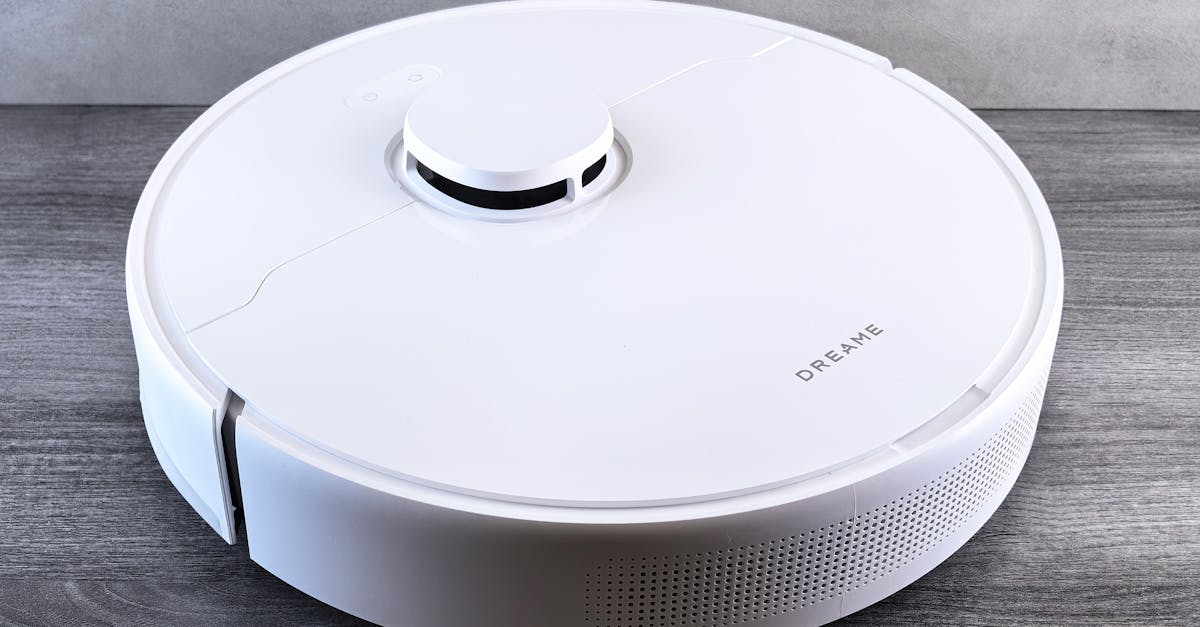
Robot Vacuums and Mops in India: Hardware-First Review of Roomba, Roborock, Dreame, and ECOVACS
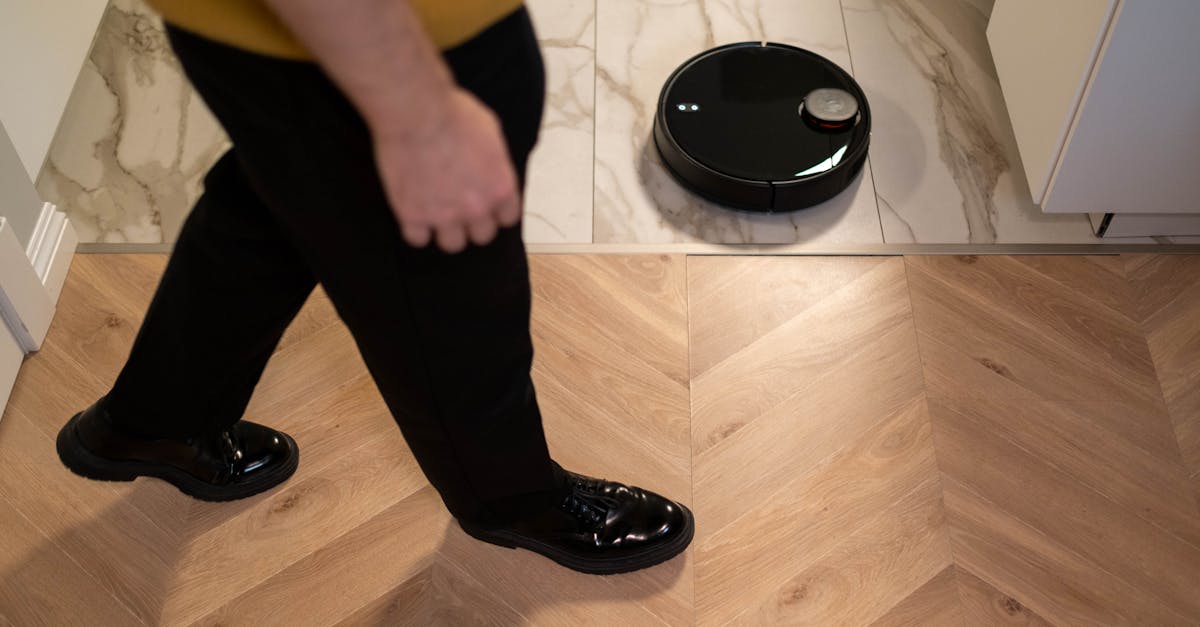
The Current State of Robot Vacuums and Mops in India
The Indian consumer robotics market has moved past the initial wave of marketing announcements and concept renders. Shipping hardware now dominates the robot vacuum and mop category, with established manufacturers focusing on reliability, navigation accuracy, and service infrastructure rather than speculative features. This review grades four major brands—iRobot (Roomba), Roborock, Dreame, and ECOVACS—based on deployed units, verified specifications, and real-world performance in Indian homes. Claims are graded by shipping hardware first, pilot deployments second, and announcements last.
Hardware-First Evaluation Criteria
Every claim in this assessment is measured against tangible hardware metrics:
- Navigation Architecture: LiDAR mapping, vSLAM camera systems, and gyroscope calibration accuracy in low-light conditions.
- Suction and Brush Design: Motor RPM, brush material (rubber vs. bristle), and debris pickup efficiency on Indian floor types (polished marble, vitrified tiles, and medium-pile carpets).
- Mopping Mechanism: Vibrating pads, rotating mops, water flow control, and auto-wash station hygiene.
- Auto-Station Functionality: Dust bin capacity, water tank volume, self-emptying reliability, and mop washing cycle duration.
- India Service & Support: Authorized service centers, spare parts availability, and warranty fulfillment across tier-1 and tier-2 cities.
iRobot Roomba: Navigational Maturity and Service Infrastructure
iRobot's Roomba lineup has long been a benchmark for navigational consistency. The current shipping hardware relies heavily on vSLAM camera-based mapping combined with a dual multi-surface rubber brush system. Unlike earlier gyroscopic models, the vSLAM architecture provides reliable room segmentation and furniture recognition, reducing the common issue of repeated passes over the same area.
The mopping module, when attached to models like the j9+ and s9+, uses a back-and-forth wiping motion rather than continuous rotation. This design reduces streaking on high-gloss Indian marble floors but requires more frequent pad changes. The auto-empty dock handles dry debris efficiently, though the water reservoir is limited to approximately 210ml, making it suitable for light daily maintenance rather than deep mopping.
iRobot maintains a structured service network in India through authorized partners and direct warranty support. Spare parts like side brushes, main rollers, and filter cartridges are readily available through official channels. The hardware is built for 100-240V input, ensuring compatibility with Indian grid fluctuations without external voltage stabilizers.
Roborock: LiDAR Precision and Dual-Brush Architecture
Roborock ships hardware that prioritizes mapping speed and suction consistency. The Q Revo and S8 series utilize a rotating LiDAR sensor housed in a raised turret, which provides faster initial mapping and more accurate obstacle detection compared to camera-only systems. The dual rubber roller design minimizes hair tangling, a practical advantage for households with pets or long-haired residents.
The mopping system on Roborock's premium units employs a vibrating mop pad that oscillates at high frequency. This mechanism lifts dried stains more effectively than passive dragging pads, particularly on vitrified and ceramic tiles common in Indian kitchens. The auto-station features hot water mop washing and automatic drying, which reduces bacterial growth in humid coastal regions.
Roborock has established official distribution channels in India, with firmware updates delivered via regional servers to maintain app responsiveness. The hardware supports multi-floor mapping and virtual boundary setting, which is useful for open-plan Indian apartments. Pricing is positioned in the mid-to-premium segment, reflecting the cost of LiDAR components and dual-battery architecture.
Dreame: Auto-Cleaning Stations and Rubber Brush Durability
Dreame's L-series robot vacuums ship with a focus on station integration and brush durability. The dual rubber main brush is engineered to handle fine construction dust and coarse particulate without clogging, a frequent challenge in rapidly urbanizing Indian cities. The navigation system combines LiDAR with structured light sensors to map edges and stair drops accurately.
The Dreame auto-station offers simultaneous self-emptying and mop washing, with separate clean and dirty water tanks ranging from 2.5L to 4L depending on the model. The mop arms extend outward during cleaning to cover edge gaps, addressing a common limitation of circular robot designs. Water flow is adjustable, allowing users to reduce moisture on porous stone floors to prevent seepage.
Dreame operates through authorized e-commerce channels and direct online stores in India. Firmware updates are delivered via cloud servers, and the app supports Indian regional language interfaces. Service coverage is expanding through third-party partners, though direct warranty support remains concentrated in metro areas. The hardware is rated for continuous operation up to 180 minutes, with automatic return-to-dock and resume mapping upon battery depletion.
ECOVACS: AI Obstacle Avoidance and Square-Form Factor
ECOVACS differentiates its Deebot line with a square chassis and advanced AI obstacle recognition. The square form factor allows the unit to align flush with walls and corners, improving coverage efficiency in rectangular Indian living spaces. The navigation stack integrates LiDAR with a downward-facing camera for texture-based surface detection, which helps prevent the robot from mistaking dark marble for drop-offs.
The mopping mechanism on ECOVACS flagship models uses dual rotating pads with independent pressure control. This design distributes weight evenly, reducing the risk of dragging heavy furniture. The auto-station includes a hot-air drying system and a separate detergent dispensing module, which simplifies maintenance for users who prefer automated cleaning solutions.
ECOVACS maintains a distributed service network across India, with authorized repair centers in major metropolitan and semi-urban locations. The hardware supports dual-band Wi-Fi (2.4GHz and 5GHz), ensuring stable connectivity in homes with multiple routers. Pricing is competitive relative to feature set, though imported SKUs may carry additional logistics costs. Firmware updates are region-specific, with localized server routing to maintain app latency within acceptable thresholds.
India Availability, Service Networks, and Approximate INR Pricing
All four brands ship hardware to India through official channels, authorized e-commerce partners, and regional distributors. Pricing reflects import duties, logistics, and warranty provisioning. The following table outlines approximate landed costs and availability tiers:
- iRobot Roomba: ₹42,000 to ₹85,000. Available via iRobot India website, Amazon India, and Flipkart. Service centers in 15+ cities.
- Roborock: ₹35,000 to ₹75,000. Available via Roborock India official store, Amazon India, and authorized electronics retailers. Service network expanding through partner workshops.
- Dreame: ₹30,000 to ₹65,000. Available via Amazon India, Flipkart, and Dreame India official channel. Warranty support through authorized service partners in metro and tier-2 hubs.
- ECOVACS: ₹32,000 to ₹70,000. Available via authorized distributors, e-commerce platforms, and direct B2B channels. Service coverage includes 20+ cities with regional spare parts depots.
Voltage compatibility is standardized at 100-240V across all models, eliminating the need for external converters. App ecosystems are configured for Indian IP routing, with local servers ensuring map saving and scheduling reliability. Users should verify warranty terms, as authorized channels typically include 12 to 24 months of coverage, while grey-market imports may lack domestic support.
Conclusion: Shipping Hardware Over Announcements
The robot vacuum and mop segment in India has stabilized around proven hardware architectures. LiDAR mapping, dual rubber brushes, and auto-wash stations are now standard in shipping units, while camera-only navigation remains limited to entry-level models. Mopping performance is highly dependent on floor material, with vibrating pads and rotating mops offering the most consistent results on polished stone and ceramic surfaces. Service infrastructure remains the primary differentiator, with iRobot and Roborock maintaining the most structured domestic support networks. Buyers should prioritize units with verified shipping status, regional firmware support, and accessible spare parts over early-stage announcements or concept renders. The hardware is mature, the pricing is transparent, and the deployment data supports informed purchasing decisions.
References
- iRobot Roomba j9+ Specifications. iRobot Corporation. https://www.irobot.com/roomba-j9
- Roborock Q Revo Product Overview. Roborock Technology. https://www.roborock.com/products/q-revo
- Dreame L10s Pro Ultra Technical Documentation. Dreame Technology. https://www.dreame.com/products/l10s-pro-ultra
- ECOVACS Deebot X2 Omni Feature Sheet. ECOVACS Robotics. https://www.ecovacs.com/deebot-x2-omni
- Robot Vacuum Navigation Comparison: LiDAR vs vSLAM. Tom's Guide. https://www.tomsguide.com/reviews/best-robot-vacuum
- Indian Robot Vacuum Market Analysis 2023-2024. Gadgets360. https://www.gadgets360.com/robot-vacuum
✓ Key takeaways
- •Hands-on view of Robot Vacuums and Mops in India: Hardware-First Review of Roomba, Roborock, Dreame, and ECOVACS inside our Robot Vacuums & Mops library.
- •Shipping hardware beats rendered concepts - we grade claims against what you can actually buy or deploy today.
- •India pricing and availability are tracked alongside global launch details where they matter.
Related articles
More in Robot Vacuums & Mops →