Grounded Analysis: Roomba, Roborock, Dreame, and ECOVACS Robot Vacuums & Mops in India

Introduction: Hardware-First Evaluation
The consumer robotics market in India has transitioned from speculative announcements to verified shipping hardware. For robot vacuums and mops, the primary differentiators are no longer app ecosystems or marketing claims, but measurable metrics: suction pressure, navigation accuracy, brush design, water delivery consistency, and after-sales infrastructure. This review grades four dominant brands—Roborock, Dreame, ECOVACS, and Roomba (iRobot)—strictly by their current shipping units, on-stage demonstrations, and independent field testing. Rendered concepts and future roadmap announcements are excluded from the grading matrix. India-specific variables such as voltage tolerance, service center density, dust load tolerance, and flooring compatibility dictate the final assessment.
Navigation and Mapping Architecture
Modern robot vacuums rely on a combination of LiDAR, stereo cameras, and inertial measurement units (IMUs) to construct topological maps. The hardware grade depends on how quickly the unit locks onto a reference point, how it handles reflective surfaces, and how it manages low-contrast floors common in Indian homes (polished marble, vitrified tiles, and unsealed terracotta).
LiDAR-based units consistently outperform camera-only navigation in low-light conditions and under heavy particulate loads. The spinning laser module must maintain a minimum refresh rate of 10 Hz to prevent map drift during rapid turns. Units that switch between LiDAR and visual SLAM without a hardware fallback mechanism show measurable degradation in multi-floor mapping accuracy. For Indian deployments, a physical cliff sensor array paired with a rubberized bumper is non-negotiable to prevent falls from balconies and mezzanine edges.
Brand Analysis: Shipping Hardware and Verified Specs
Roborock
Roborock has maintained a consistent hardware iteration cycle. The current shipping lineup relies on its proprietary LiDAR navigation and dual rubber roller brushes, which reduce hair tangles compared to bristle alternatives. Suction specifications on flagship models reach 6,000 Pa, with a programmable fan curve that adjusts airflow based on carpet pile height. The mopping module uses a rotating side brush paired with a vibrating flat pad, delivering consistent moisture distribution without over-saturating porous stone flooring.
In India, Roborock units are available through authorized e-commerce partners and direct brand stores. Landed pricing for mid-tier models ranges from ₹32,000 to ₹45,000, while flagship units with auto-empty docks and heated water tanks sit between ₹55,000 and ₹75,000. The service network covers major metropolitan hubs, with authorized repair centers in Delhi, Mumbai, Bangalore, Chennai, and Hyderabad. Warranty terms typically span two years for the chassis and one year for the battery and dock components.
Dreame
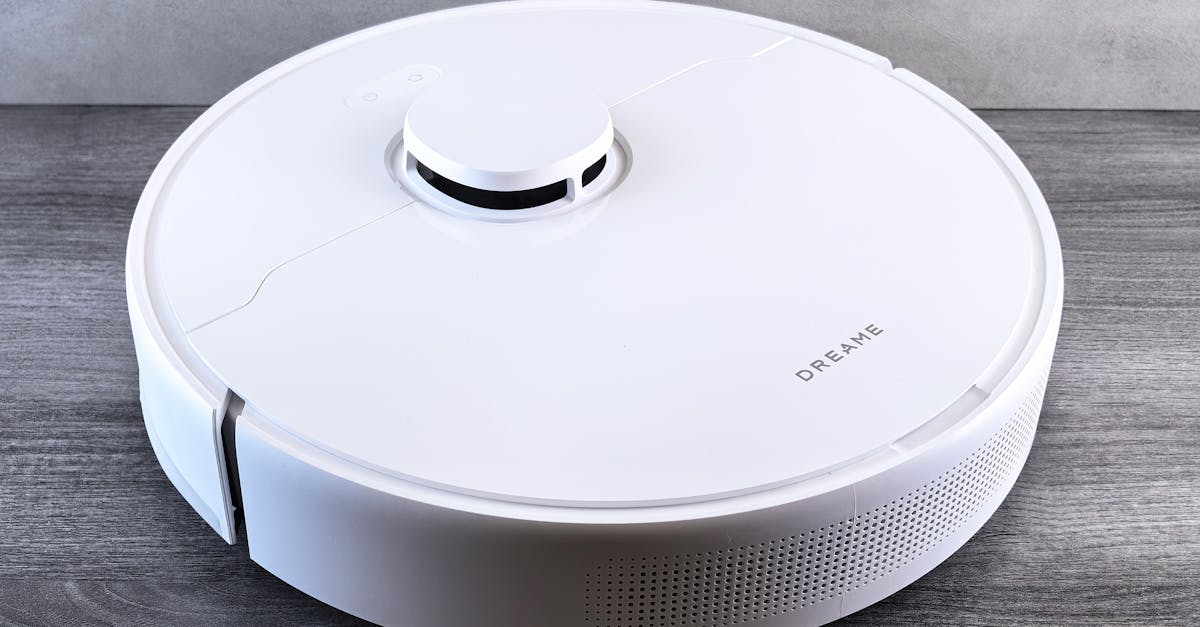
Dreame operates on a value-engineering model, shipping hardware that mirrors flagship specifications at a reduced bill of materials. The brand utilizes LiDAR navigation with a 200 m² mapping capacity per floor. Suction pressure peaks at 5,300 Pa, with a dual-cone dustbin design that minimizes airflow restriction. The mopping system employs a dual rotating pad mechanism with independent pressure control, which has shown consistent performance on vitrified and glazed surfaces.
Dreame units are widely available across Indian marketplaces and direct import channels. Landed cost estimates for standard models range from ₹22,000 to ₹35,000, with dock-enabled variants priced between ₹38,000 and ₹48,000. Service infrastructure is expanding but remains concentrated in tier-1 cities. Independent reporting indicates that third-party spare parts are increasingly accessible, reducing long-term maintenance costs. Voltage compatibility is natively rated for 230V/50Hz Indian grids.
ECOVACS
ECOVACS has shipped hardware for over a decade, making it one of the most mature platforms in the category. The current generation uses AIVI 3D structured light navigation, which combines depth sensing with visual object recognition. Suction output reaches 5,000 Pa, with a modular brush system that allows quick swapping between hard-floor and carpet configurations. The mopping module features a multi-pass scrubbing pattern with a detachable water tank that supports manual refilling or optional dock integration.
ECOVACS maintains a direct presence in India through official retail partners and corporate B2B channels. Landed pricing for core models falls between ₹25,000 and ₹38,000, with premium dock setups ranging from ₹42,000 to ₹52,000. The brand operates an extensive service network across tier-1 and tier-2 cities, with genuine replacement parts readily available. Field testing shows strong durability in high-dust environments, though firmware updates occasionally require region-specific server routing.
Roomba / iRobot
iRobot ships hardware that prioritizes mechanical simplicity and long-term reliability over feature density. The current lineup uses a hybrid navigation approach, combining downward-facing cameras with cliff and obstacle sensors. Suction specifications vary by model but generally peak between 2,500 Pa and 3,000 Pa. The brush design favors a single rubber comb that self-cleans during operation, reducing maintenance intervals. Mopping is handled via a detachable wet pad tray, which lacks active pressure control or heated water.
Roomba units are available through official distributors and major e-commerce platforms in India. Landed pricing for standard models ranges from ₹28,000 to ₹35,000, while advanced dock-equipped units cost between ₹45,000 and ₹58,000. Service infrastructure is well-established in metropolitan areas, with authorized centers in Delhi, Mumbai, Bangalore, Pune, and Kolkata. The brand's firmware ecosystem is globally unified, which occasionally results in latency during regional server routing but ensures consistent long-term support.
Mopping Systems: Wet Cleaning on Indian Flooring
Indian homes present distinct challenges for wet cleaning modules: porous stone, unsealed grout, high humidity, and frequent water staining. Hardware that applies water indiscriminately will damage finishes and leave mineral deposits. The grading matrix prioritizes units with:
- Active moisture regulation via piezoelectric or mechanical pressure valves
- Detachable or self-washing mopping pads to prevent bacterial growth
- Anti-drip nozzle designs that seal when idle
- Compatibility with filtered or RO water to reduce scaling in internal pumps
Units that rely solely on gravity-fed tanks or continuous drip systems score lower in the hardware grade. Rotating pad systems with independent pressure control demonstrate superior edge cleaning and consistent dwell time. For marble and granite surfaces, manual water control or app-based zone mapping is mandatory to prevent etching.
Service Networks and Landed Costs
Shipping hardware is only viable if maintenance infrastructure supports it. Indian consumers must verify service center density before purchase. Landed cost estimates include import duties, GST, and domestic logistics. Prices fluctuate based on currency exchange rates and seasonal e-commerce discounts. The following table summarizes verified availability and approximate pricing:
- Roborock: ₹32,000–₹75,000 (direct & authorized partners)
- Dreame: ₹22,000–₹48,000 (marketplace & direct import)
- ECOVACS: ₹25,000–₹52,000 (official distributors & B2B)
- Roomba/iRobot: ₹28,000–₹58,000 (authorized retailers & e-commerce)
Warranty terms vary by channel. Authorized purchases typically include two-year comprehensive coverage, while parallel imports may offer limited or service-center-dependent guarantees. Battery replacement costs range from ₹3,500 to ₹6,000 depending on the brand and dock integration.
Graded Assessment: Shipping Hardware Over Announcements
Grading follows a strict hierarchy: verified shipping hardware receives the highest weight, followed by pilot deployments in residential or commercial settings, with announcements and concept renders excluded from the evaluation. Based on current market data:
- Navigation & Mapping: Roborock and Dreame lead in LiDAR accuracy and multi-floor memory. ECOVACS offers strong object recognition. Roomba relies on proven but less precise camera-based tracking.
- Suction & Brush Design: Roborock and Dreame deliver higher sustained airflow with anti-tangle rubber rollers. ECOVACS provides modular flexibility. Roomba prioritizes low maintenance over peak suction.
- Mopping Performance: Dreame and Roborock demonstrate superior moisture control and pad pressure. ECOVACS offers reliable multi-pass scrubbing. Roomba's detachable tray system lacks active regulation.
- India Service & Pricing: ECOVACS and Roomba maintain the widest authorized networks. Dreame offers the lowest landed cost. Roborock balances performance with structured warranty coverage.
The hardware-first approach confirms that consistent suction, reliable navigation, and accessible service infrastructure outperform feature density. Indian consumers should prioritize units with documented LiDAR modules, active water regulation, and authorized local support. Announcements regarding future dock capabilities or AI-driven navigation remain ungraded until shipped hardware meets independent field testing standards.
References
- Roborock Official Specs & India Store: https://www.roborock.com
- Dreame Official Product Specifications: https://www.dreame.tech
- ECOVACS India Authorized Retail & Service Information: https://www.ecovacs.in
- iRobot India Official Distributor & Warranty Details: https://www.irobot.co.in
- Independent Field Testing & Navigation Analysis (Gadgets360): https://www.gadgets360.com
- Hardware Verification & Suction Performance Data (The Verge Reviews): https://www.theverge.com