The Public Ledger: A Realistic Audit of Robotics IPOs and Market Performance

The Public Robotics Landscape: Beyond the Hype
The robotics industry has long operated under a dual-track system: a private sector driven by venture capital and vision, and a public sector driven by quarterly earnings and hardware shipments. While headlines frequently highlight humanoid prototypes and AI integration announcements, the public market provides the only verifiable ledger of actual deployment. For investors and industry observers in India and globally, distinguishing between a press release and a shipped unit is critical. This audit examines the current state of publicly traded robotics entities, grading their claims by hardware delivery, pilot deployments, and financial transparency.
Unlike the speculative narrative surrounding early-stage startups, public companies must disclose revenue recognition, supply chain bottlenecks, and gross margins. The robotics sector is not monolithic. It ranges from high-margin surgical systems to cyclical industrial automation. Understanding these distinctions is essential before analyzing valuations or India-specific availability.
Industrial Automation Giants: Revenue Stability Over Hype
Industrial automation remains the financial backbone of the public robotics sector. Companies like Fanuc Corporation (TYO: 6954), Yaskawa Electric (TYO: 6506), and ABB (SIX: ABBN) have established decades-long track records of shipping hardware. These entities do not rely on speculative AI narratives; they sell servo motors, controllers, and robotic arms to manufacturing plants.
Fanuc reports its revenue in millions of units shipped globally, with a strong emphasis on the automotive and semiconductor sectors. Their financial statements clearly delineate between robot revenue and service revenue. In the Indian context, these machines are widely available through authorized distributors in Mumbai, Pune, and Bangalore. A standard 6-axis industrial arm, such as the Fanuc M-20iD, typically lands in India with a price tag ranging between INR 25 lakhs and INR 50 lakhs, depending on payload and configuration. This excludes the cost of the controller and safety fencing.
ABB Robotics operates similarly, with a significant presence in Indian automotive manufacturing plants. Their IRB 6700 series is a workhorse in electronics assembly. The key metric for these companies is installed base maintenance. Unlike consumer robotics, industrial robots generate recurring revenue through spare parts and service contracts, offering a predictable revenue stream that investors favor during economic downturns.
Hardware Grade: Shipping
These companies operate on a hardware-first model. There is no ambiguity about whether the robot is in the field. Fanuc and ABB provide installation verification reports and service logs that are auditable. Their stock performance correlates with manufacturing capacity utilization indices in the US, Europe, and Asia.
Surgical and Healthcare Robotics: The Cash Cow
Intuitive Surgical (NASDAQ: ISRG) represents the high-margin exception in the public robotics landscape. The da Vinci Surgical System is not merely a robot; it is a closed ecosystem where the company retains control over the instrument trays and the console software. This creates a recurring revenue model that is defensible against competitors.
Intuitive Surgical trades at a premium valuation because its hardware is installed in hospitals globally, and the recurring revenue from procedures provides predictable cash flow. In India, the da Vinci system is available through partnerships with specialized medical distributors. The landed cost for a da Vinci Xi system is approximately INR 10 crore to INR 12 crore, positioning it exclusively in tier-1 corporate hospitals in Delhi, Mumbai, and Hyderabad.
The company’s financial reports emphasize procedure volume rather than unit sales. This metric is vital for investors because it indicates the utilization rate of the installed base. If the procedure volume drops, revenue drops. However, the barrier to entry for competitors in this specific segment remains high due to regulatory approvals and clinical data requirements. This stability makes Intuitive a benchmark for robotics profitability, even though it does not focus on general-purpose humanoids.
Logistics and Warehouse Automation: High Growth, High Volatility
The logistics sector has seen a surge in IPO activity, with Symbotic (NASDAQ: SYM) being a primary example. Symbotic focuses on automated warehouse solutions, providing robotic shuttles and software to manage inventory. Unlike industrial arms, these systems are deeply integrated into the facility's infrastructure, requiring significant upfront CAPEX from the client.
Symbotic’s partnership with major retailers has driven its valuation, but the company faces scrutiny regarding its revenue recognition timing. In the public market, the distinction between signed contracts and completed installations is critical. For Indian retailers looking to adopt this technology, the cost is prohibitive for small warehouses. A full Symbotic-grade automation system typically requires a facility size that aligns with large e-commerce fulfillment centers, such as those operated by Amazon or Flipkart.
Teradyne (NASDAQ: TER) operates in a similar space through its Universal Robots division. Universal Robots sells collaborative robots (cobots) that are lighter and easier to program than industrial arms. In India, Universal Robots has a growing distributor network, with pricing for a basic UR5e arm ranging from INR 8 lakhs to INR 12 lakhs. This accessibility makes Teradyne’s hardware more relevant to Indian SMEs compared to the heavy industrial models of Fanuc.
The Humanoid Contingent: Tesla and the Public Market
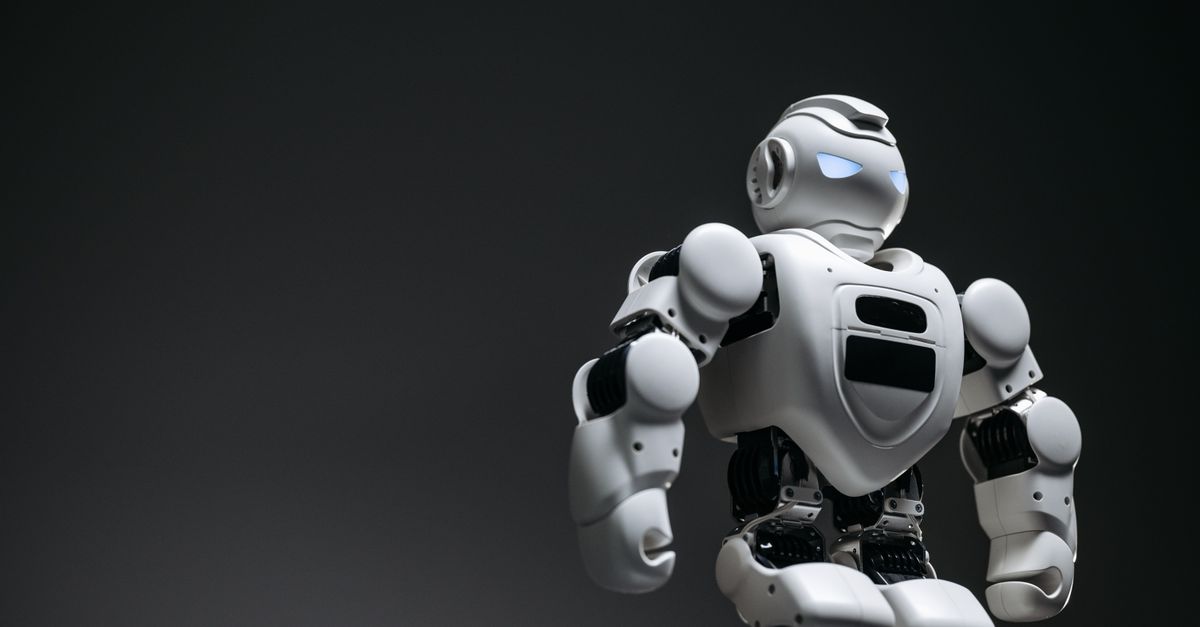
When discussing robotics IPOs, the market inevitably turns to Tesla Inc. (NASDAQ: TSLA). While Tesla is primarily an automotive and energy company, the Optimus humanoid robot has become a significant valuation driver. It is crucial to grade this claim correctly: Optimus has not shipped in volume. It has demonstrated hardware prototypes and limited pilot deployments in Tesla’s own factories.
Tesla’s financial disclosures mention the robot as part of the "Other" revenue category, which is currently negligible. The valuation of Tesla stock is heavily influenced by the expectation of Optimus shipping in the future, not current hardware sales. For Indian investors, this represents a technology bet on a company that sells cars and solar panels, not a pure robotics play. The hardware is currently in the "Alpha" phase, meaning it is not available for commercial purchase.
Other public entities have attempted similar plays. SoftBank Group (TYO: 9984) owns a stake in Boston Dynamics, but Boston Dynamics itself is not publicly traded in a standalone capacity. Similarly, Honda Motor (TYO: 7267) has invested in robotics, but its humanoid efforts like the Asimo and newer P-series are primarily internal R&D tools or limited demos. The public market has not yet rewarded these announcements with stock price movements that reflect actual revenue from humanoid sales, as no such revenue exists yet.
Valuation Risks and Hardware Margins
The transition from private to public status in robotics often reveals the gap between promise and performance. Private companies can burn cash on R&D without immediate pressure. Public companies must justify their capital expenditure with earnings.
A key metric to watch is the gross margin on hardware. For industrial robotics companies like Fanuc, gross margins can exceed 30%. For software-heavy robotics firms, margins are higher, but the hardware component often drags the average. When an IPO is priced, the market scrutinizes the balance sheet for debt.
In the current economic climate, high-interest rates have affected the CAPEX decisions of Indian manufacturers. A factory in Gujarat may delay the purchase of a ₹50 lakh robot if the return on investment (ROI) period extends beyond two years. This macroeconomic factor directly impacts the stock performance of industrial robotics firms. Public filings show that economic slowdowns in manufacturing sectors lead to immediate order book reductions for these companies.
India Availability and Pricing: The Ground Reality
For the Indian market, the availability of public robotics hardware is distinct from the global narrative. Import duties on robotics components can significantly alter the landed cost. The Indian government’s "Make in India" initiative encourages local assembly, but high-precision sensors and controllers are still largely imported.
A breakdown of approximate landed costs for key public robotics hardware in India includes:
- Industrial Arms (Fanuc/ABB/Yaskawa): INR 25 lakhs to INR 50 lakhs (Basic 6-axis).
- Surgical Systems (Intuitive Surgical): INR 10 crore to INR 12 crore (Per Console).
- Cobots (Universal Robots/Teradyne): INR 8 lakhs to INR 15 lakhs (Per Unit).
- Warehouse Automation (Symbotic): INR 10 crores+ (Enterprise System).
Service and support are equally critical. Public companies like Intuitive Surgical have dedicated service centers in major Indian cities, ensuring uptime for hospitals. Industrial players rely on a network of third-party integrators. This dependency adds risk to the ownership experience. If a public company withdraws from India due to profitability concerns, the installed base faces obsolescence risks.
Conclusion: The Verdict on Public Robotics
The public robotics market offers a transparent view of hardware reality, but it is not without its hazards. Industrial automation remains the safest bet, with verifiable shipments and clear revenue models. Surgical robotics offers high margins and recurring revenue but requires massive capital outlay.
The humanoid robotics sector, represented by public entities like Tesla, remains in the "Announcement" tier rather than the "Shipping" tier. Investors must treat these valuations as options on future technology rather than current assets. For India, the focus remains on industrial and surgical applications where the ROI is calculable and the hardware is available today.
As the public ledger closes for the year, the message is clear: hardware ships, and revenue follows. Hype does not ship. In the absence of mass production, public market valuations for robotics remain tethered to automotive, software, or manufacturing demand rather than the robot itself.
✓ Key takeaways
- •Hands-on view of The Public Ledger: A Realistic Audit of Robotics IPOs and Market Performance inside our Robotics IPOs library.
- •Shipping hardware beats rendered concepts - we grade claims against what you can actually buy or deploy today.
- •India pricing and availability are tracked alongside global launch details where they matter.
References
Related articles
More in Robotics IPOs →