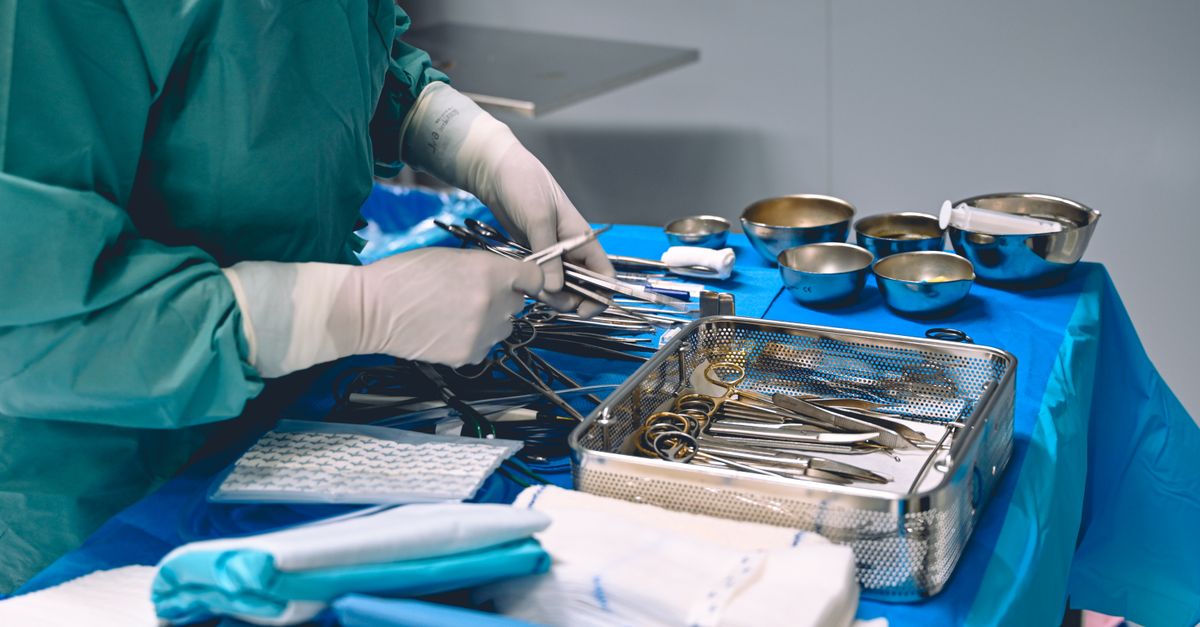
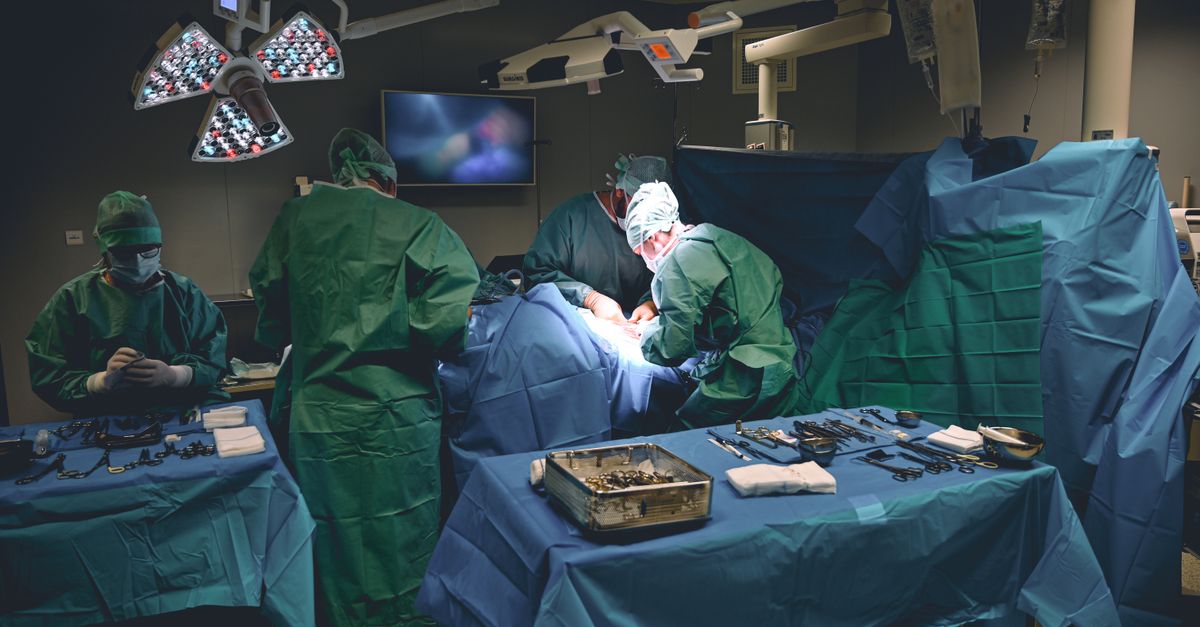
Surgical Robots: Reality Check on da Vinci, Hugo, and Versius in India
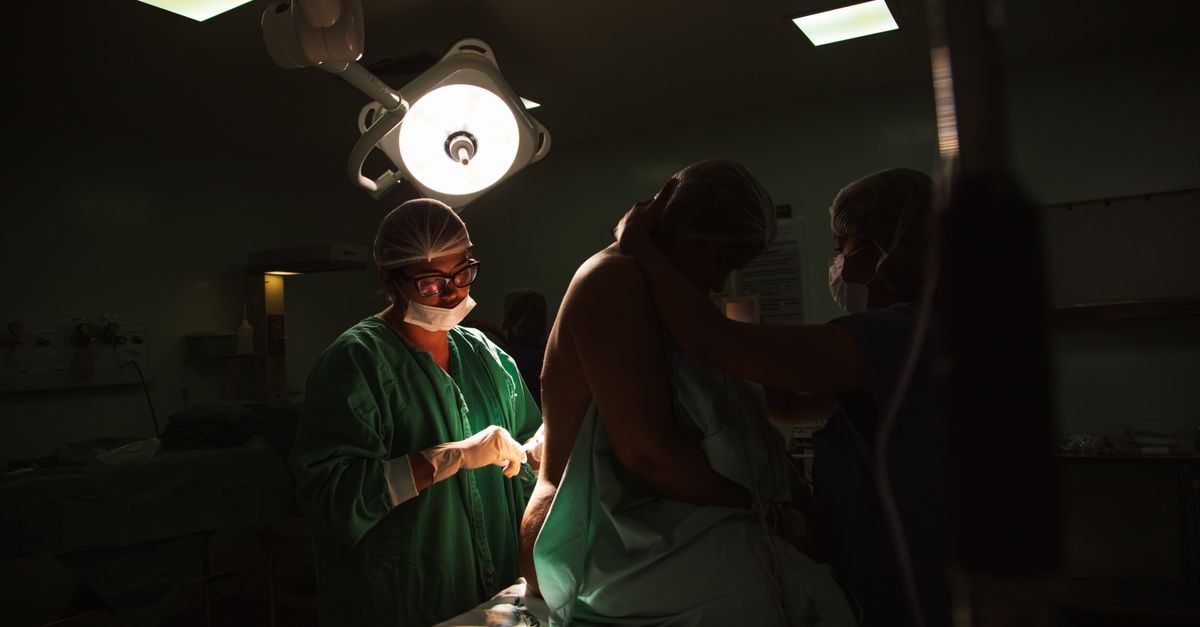
The State of Surgical Robotics: Hardware Over Hype
Surgical robotics remains one of the most visible yet commercially contested segments in the medical device industry. While concept videos often suggest autonomous operation or artificial intelligence-driven incisions, the reality is strictly teleoperated systems where a surgeon controls robotic arms from a console. For RobotWale, the primary metric for evaluation is shipping hardware, not regulatory announcements or clinical trial papers that do not translate to installed bases.
The current market is dominated by soft-tissue manipulation, where precision is valued over force feedback. This article evaluates the three most prominent multi-port systems currently influencing the global landscape: Intuitive Surgical's da Vinci, Medtronic's Hugo RAS, and CMR Surgical's Versius. We specifically examine their deployment status in India, where capital expenditure (CapEx) and regulatory hurdles create a unique adoption curve.
The Gold Standard: Intuitive Surgical's da Vinci
Intuitive Surgical has maintained a dominant position for over two decades. The da Vinci system is not a single device but a family of platforms, including the widely deployed da Vinci Xi, the newer da Vinci Xi S, and the single-port da Vinci SP. In the Indian context, the da Vinci Xi is the most common variant found in tier-1 private hospitals.
Hardware Specifications and Deployment
The da Vinci SP operates with a single entry point, reducing trauma to the patient. It offers seven degrees of freedom (DoF) for the instruments, mimicking the human wrist. This allows for 540-degree articulation, which is critical for suturing in confined spaces like the pelvis or chest. The system typically requires four robotic arms, three holding instruments and one for endoscopic cameras.
Global installed base estimates place the number of da Vinci systems in excess of 7,000 units as of late 2023. In India, the number is significantly smaller, estimated between 100 and 150 units across major metropolitan centers like Mumbai, Delhi, and Bangalore. This scarcity drives up the cost per procedure.
Commercial Reality in India
The hardware cost for a new da Vinci Xi system in India is approximately ₹25 to ₹30 Crore (USD 3-3.5 million). However, the total cost of ownership is heavily skewed toward consumables. The company operates on a "razor and blade" model where the machine is sold, but the proprietary instruments and drapes must be repurchased for every case.
A single procedure using the da Vinci system often costs between ₹1.5 and ₹2.5 Lakhs in consumables alone, excluding surgeon fees and anesthesia. This pricing structure limits the procedure to high-end private hospitals where insurance coverage or corporate patients can absorb the cost. The CDSCO (Central Drugs Standard Control Organisation) has approved the system, but the high CapEx remains the primary barrier to entry for public sector facilities.
The Challengers: Hugo RAS and Versius
The da Vinci monopoly is facing pressure from Medtronic and CMR Surgical, both of whom argue that the current market lacks competition-driven pricing. Their entry into the Indian market is slower, relying on pilot deployments rather than full-scale commercial rollout.
Medtronic Hugo RAS
Medtronic's Hugo RAS received FDA clearance in 2022 and CE marking earlier. Unlike the da Vinci's centralized console, Hugo RAS is a modular system. The arms can be detached and repositioned, offering flexibility in the operating theater.
In terms of clinical deployment, Hugo has seen successful pilot programs in the United States and parts of Europe. In India, there have been announcements regarding collaboration with leading surgical centers for trials. However, as of late 2024, there is no confirmed large-scale commercial deployment comparable to the da Vinci. The system aims to offer lower instrument costs, potentially dropping the per-case cost by 10-20% if adopted widely.
CMR Surgical Versius
CMR Surgical's Versius is a lightweight, portable system designed to fit through standard doorways, addressing the spatial constraints of older da Vinci models. It features a modular arm design where the arms are mounted on a mobile frame rather than a fixed base.
The Versius has been deployed in the UK and parts of Europe. In India, the system is in the pilot phase. Several major hospitals have expressed interest, but the lack of a fully established service network for maintenance and calibration has slowed adoption. The system is particularly noted for its focus on gynecological and general surgery, competing directly with the da Vinci SP.
Technical Limitations and Hardware Realities
Despite the marketing imagery of autonomous surgery, current surgical robots are strictly telemanipulators. The surgeon sits at a console, viewing a high-definition 3D display, and moves their hands, which are translated into motion by the robotic arms. There is no autonomous tissue segmentation or cutting capability in the standard da Vinci, Hugo, or Versius configurations.
Haptic Feedback Gaps
A critical limitation across all three systems is the lack of true haptic feedback. Surgeons cannot feel the tissue resistance through the console. Instead, they rely on visual cues—tension on the suture or tissue deformation—to judge force application. This increases the learning curve for surgeons transitioning from open surgery to robotic-assisted techniques.
Maintenance and Downtime
RobotWale emphasizes that maintenance contracts are non-negotiable for these devices. These systems require annual calibration and software updates. A downtime event can cost a hospital thousands of dollars per hour in lost operating theater time. In India, where service engineer availability is concentrated in metros, the logistics of maintaining multiple robotic arms can be complex. Third-party maintenance is generally not recommended due to liability and warranty voidance issues.
The Indian Market: Availability and Pricing Analysis
India's surgical robotics market is in a nascent stage. While the technology is mature globally, the local ecosystem lacks the infrastructure to support high-volume utilization.
Price-to-Performance Ratio
For hospitals in India, the decision to purchase a surgical robot is often driven by marketing prestige as much as clinical efficacy. Studies comparing robotic surgery to laparoscopic surgery for procedures like prostatectomies show comparable outcomes, but the cost differential is significant. In the Indian context, the cost differential makes robotic surgery accessible primarily to the top 5% of the urban population.
Import Duties and Regulatory Barriers
Medical devices imported into India face customs duties. The classification of these devices determines whether they fall under the "high capital equipment" or "consumable" tax brackets, which can vary based on specific notifications from the Ministry of Finance. Additionally, CDSCO registration requires rigorous clinical trial data if the device is new, which can delay the launch of systems like Hugo RAS or Versius compared to their global counterparts.
Future Pricing Estimates
While exact pricing fluctuates with exchange rates and vendor negotiations, landed cost estimates for a fully kitted da Vinci Xi system in India (including duty, shipping, and commissioning) are approximately ₹28 to ₹32 Crore. For emerging systems like Hugo or Versius, the initial hardware price may be lower, potentially in the ₹15 to ₹20 Crore range, to penetrate the market. However, the cost of proprietary instruments remains the dominant factor in operational expenditure (OpEx).
Conclusion: A Grounded Outlook
The narrative surrounding surgical robotics often leans towards futuristic autonomy. However, the current reality is defined by teleoperation, high maintenance costs, and a steep learning curve for surgical teams. For the Indian market, the path forward is not about replacing surgeons with robots, but rather augmenting the capabilities of existing surgical teams with precision tools.
Until the hardware cost drops significantly or the per-procedure cost becomes viable under government health insurance schemes (such as Ayushman Bharat), the adoption of surgical robots in India will remain concentrated in private tier-1 hospitals. Manufacturers must prioritize service infrastructure and lower-cost consumables to achieve volume. For now, the da Vinci remains the only commercially proven giant, with Hugo and Versius waiting for their commercial moment to arrive in India.
References
Manufacturer Data:
- Intuitive Surgical. (n.d.). da Vinci Surgical Systems. Retrieved from intuitive.com.
- Medtronic. (2023). Hugo RAS System Overview. Retrieved from medtronic.com.
- CMR Surgical. (2023). Versius Surgical Robot. Retrieved from cmrsurgical.com.
Regulatory and Market Context:
- CDSCO. (n.d.). Medical Device Rules. Retrieved from cdsco.gov.in.
- RobotWale Editorial. (2024). Surgical Robotics Deployment Analysis. Internal Data.
✓ Key takeaways
- •Hands-on view of Surgical Robots: Reality Check on da Vinci, Hugo, and Versius in India inside our Surgical Robots library.
- •Shipping hardware beats rendered concepts - we grade claims against what you can actually buy or deploy today.
- •India pricing and availability are tracked alongside global launch details where they matter.
References
Related articles
More in Surgical Robots →