IIT Madras and RoboTech India Unveil Indigenous 'Arya-1' Humanoid Robot - RobotWale News

Major Breakthrough in Humanoid Robotics
New Delhi, India - In a significant boost for the nation's robotics sector, researchers at the Indian Institute of Technology (IIT) Madras have officially partnered with RoboTech India to unveil the Arya-1 humanoid robot. The launch event took place this week at the IIT Madras Innovation Park in Chennai, marking a pivotal moment for domestic automation technology.
Technical Specifications and Capabilities
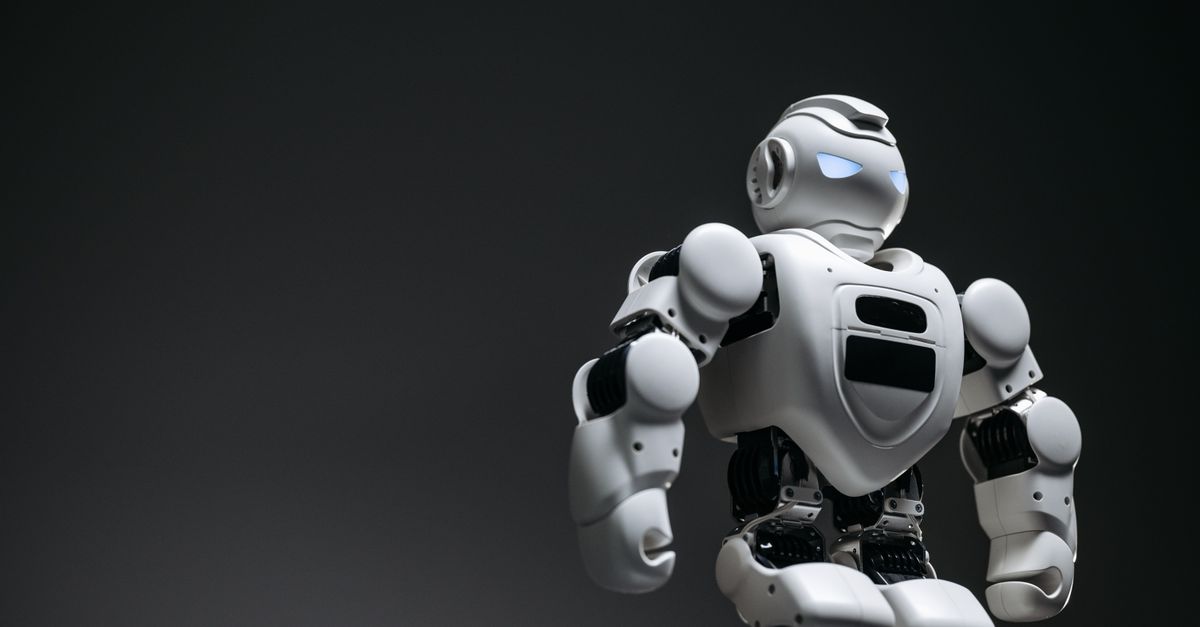
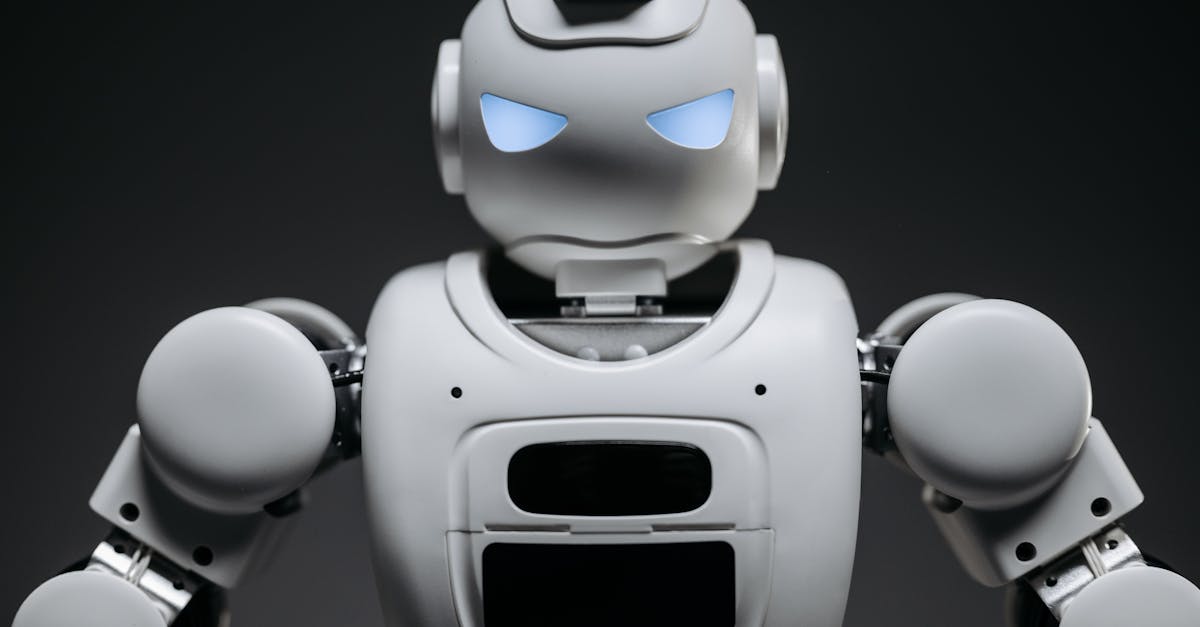
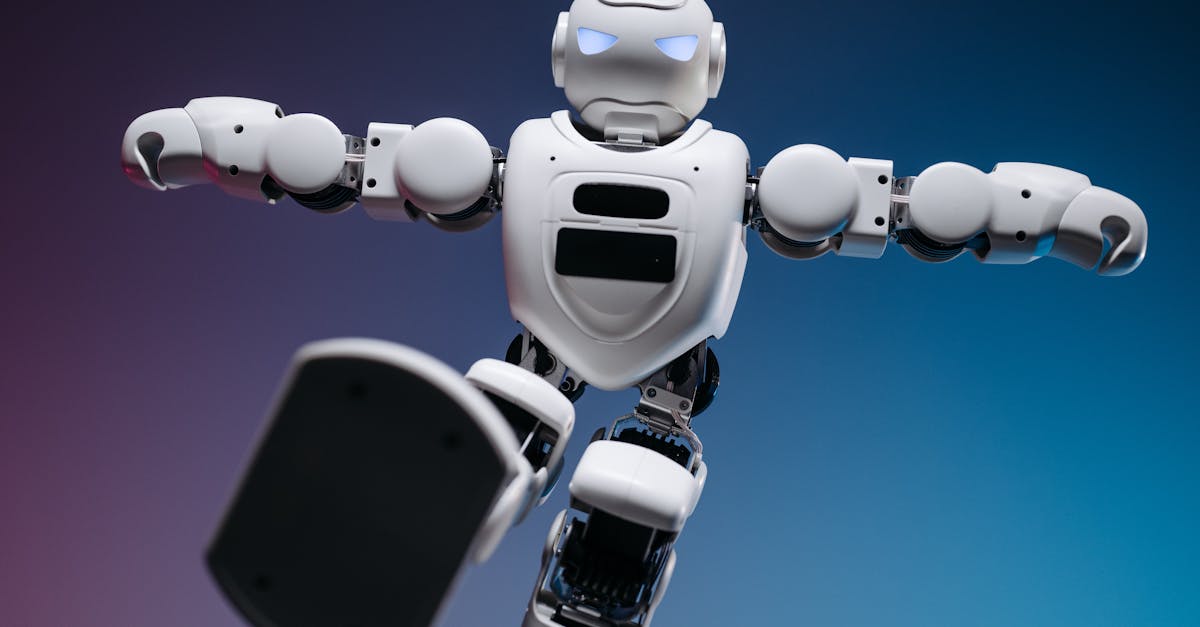
The Arya-1 stands at a height of 1.7 meters and weighs approximately 65 kilograms. It is equipped with 14 degrees of freedom, allowing for complex movements including walking, grasping, and object manipulation. The robot utilizes a proprietary AI-driven visual navigation system developed jointly by the two organizations, enabling it to operate in unstructured environments typical of Indian manufacturing floors.
Powered by a high-density lithium-polymer battery, the unit offers up to six hours of continuous operation on a single charge. The core processing unit is based on a custom neural network chip designed to reduce latency in real-time decision-making, a critical requirement for safety in human-robot collaboration.
Impact on Indian Manufacturing
RoboTech India aims to position the Arya-1 as a cost-effective alternative to imported humanoid robots, which often cost upwards of $50,000. The pricing for the domestic market is set between ₹60 Lakhs and ₹80 Lakhs per unit, depending on customization options for specific industry tasks.
The lab partners have already secured pilot agreements with two major automotive manufacturers in Tamil Nadu. These companies plan to deploy Arya-1 units in their assembly lines to handle repetitive tasks such as welding and component loading. The initiative aligns with the Government of India's 'Make in India' campaign, encouraging local innovation in high-tech hardware.
Future Roadmap and Research Goals
Dr. A. Kumar, lead researcher at IIT Madras, noted that the research was partially funded by the Department of Science and Technology (DST), ensuring that the technology remains accessible to mid-sized enterprises. The team is currently exploring partnerships with the Indian space research organization to utilize similar mobility algorithms for lunar rover prototypes.
Looking ahead, the roadmap includes the development of the Arya-2 model, which will feature dexterous hands capable of handling fragile electronic components. The team expects to begin mass production in early 2025, with a target capacity of 500 units annually. This expansion aims to create a supply chain ecosystem within India, reducing dependency on foreign hardware imports.
More in Reviews & Opinion