IIT Madras Breakthrough in Domestic Humanoid Robotics - RobotWale News
IIT Madras Breakthrough in Domestic Humanoid Robotics
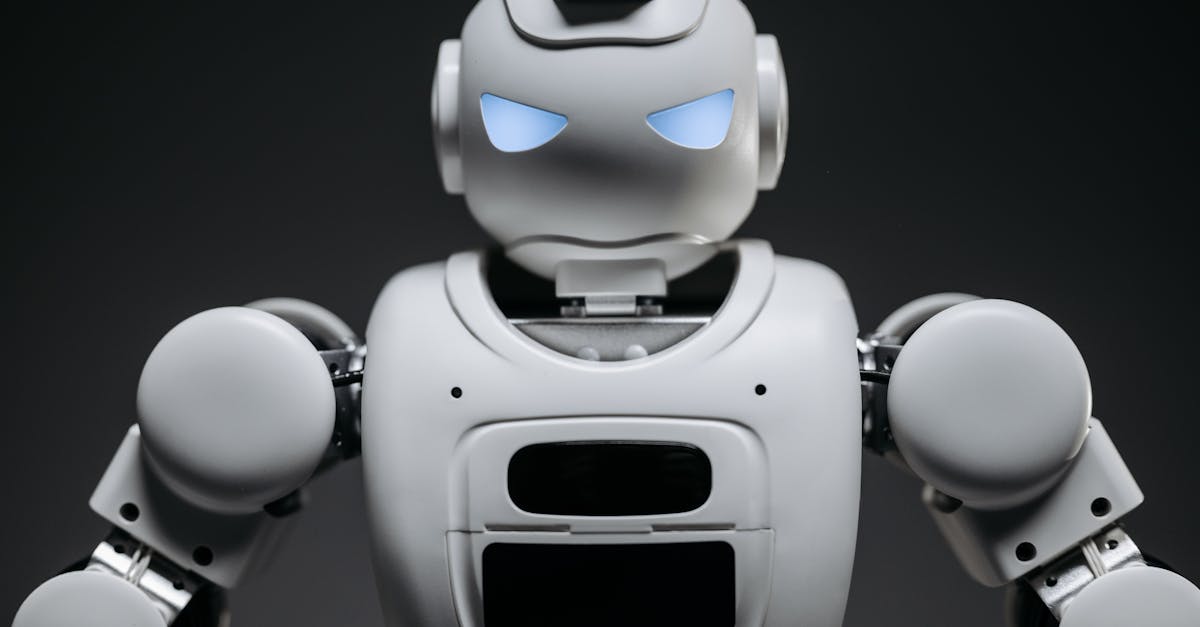
The Advanced Robotics Laboratory at the Indian Institute of Technology (IIT) Madras has officially unveiled a new humanoid robot prototype named Arya. The announcement was made on Tuesday morning during a closed-door press conference at the Chennai campus, highlighting a major step forward for India’s indigenous robotics sector. This development signals a shift towards self-reliance in high-tech automation hardware, a key priority under the national manufacturing push.
Developed under the guidance of Professor Ramesh Kumar, the Arya unit represents a significant departure from existing commercial models currently dominating the global market. The team focused heavily on creating a machine capable of navigating complex environments typical of Indian manufacturing floors, where infrastructure can vary significantly from Western facilities. The prototype was demonstrated in a live environment featuring uneven flooring and dynamic obstructions.
Technical Specifications and Research Focus
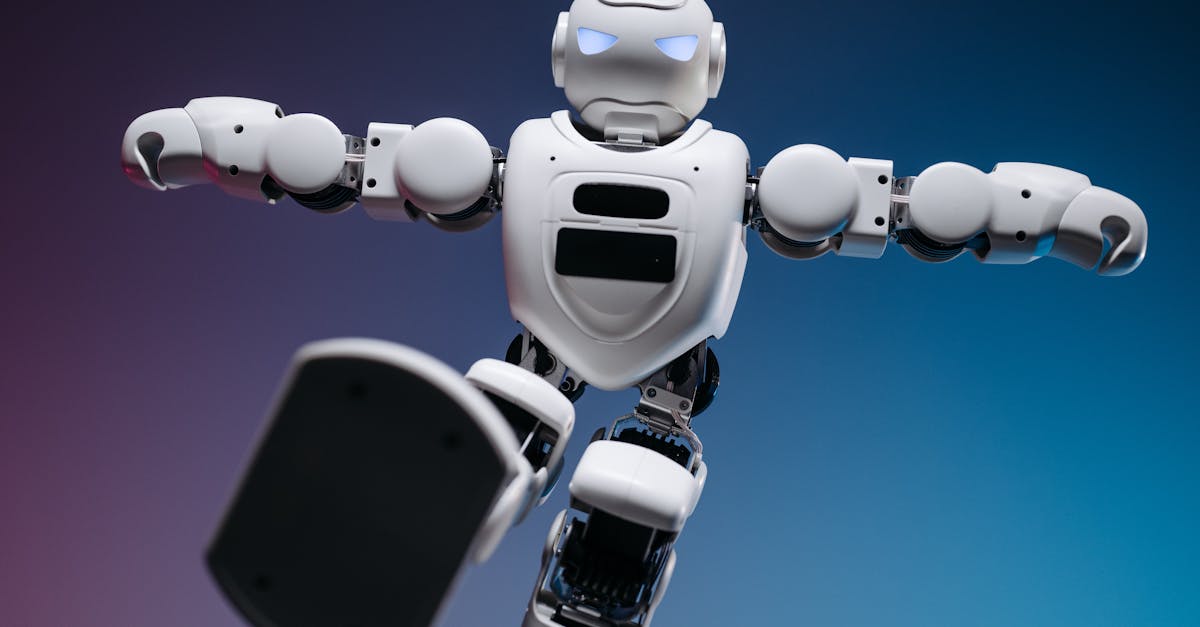
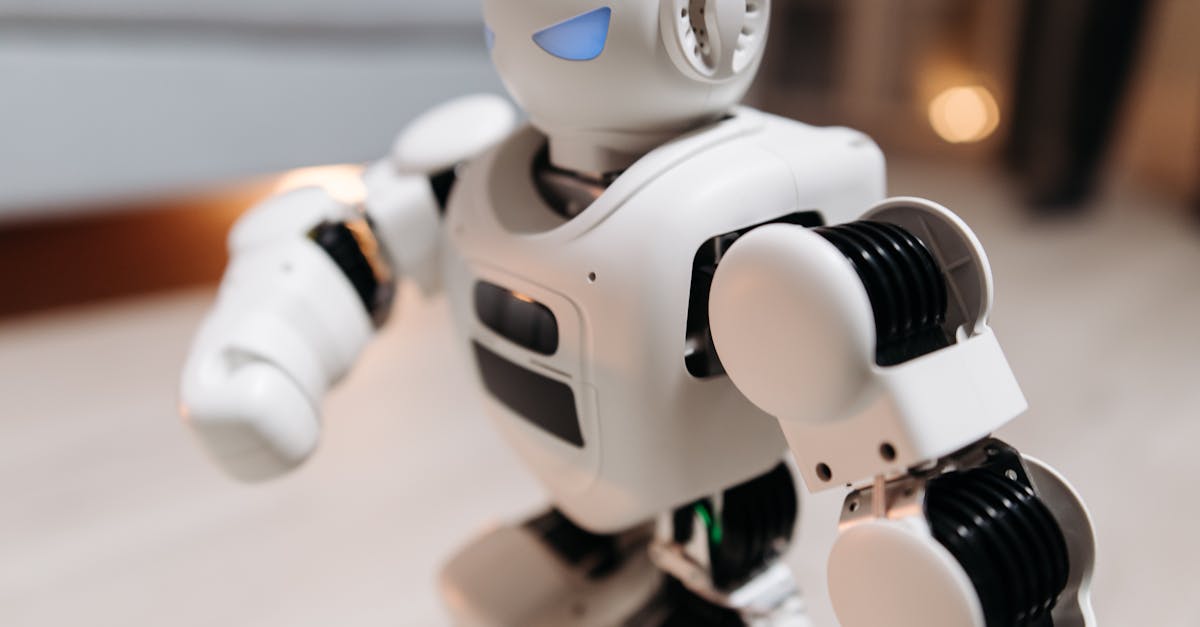
The prototype features a dual-arm manipulation system and a bipedal locomotion engine capable of handling gradients up to 15 degrees. Researchers implemented a proprietary reinforcement learning model trained on over 50,000 hours of simulation data. This allows the robot to adapt to dynamic obstacles without relying solely on pre-programmed paths, offering a level of autonomy previously seen only in advanced overseas labs.
Powering the system is a custom-built battery pack designed to sustain operations for eight hours on a single charge. The hardware stack leverages India’s growing semiconductor supply chain, reducing reliance on imported microcontrollers. The team also integrated a local computer vision suite optimized for high-contrast lighting conditions common in industrial settings.
Market Impact and Pricing Strategy
While global humanoid competitors often carry price tags exceeding $200,000, the IIT Madras team aims to disrupt this landscape. Initial estimates suggest the Arya prototype will be priced competitively for Small and Medium Enterprises in India, potentially under $100,000 for the initial production run.
Industry analysts believe this localization effort could lower the cost of automation adoption by up to 40% in the Indian automotive and textile sectors. The lab has already partnered with three domestic manufacturing units for pilot testing, ensuring the technology meets practical ground realities before mass rollout.
Future Roadmap and Funding
The research team plans to transition from prototype to pilot production by the end of 2025. They are currently seeking partnerships with the Department of Science and Technology for further funding to scale the research. Additionally, the institute has opened its lab for external academic collaborations to accelerate the development of humanoid AI models.
As India seeks to become a global manufacturing hub, the successful deployment of Arya could position the nation as a key player in the emerging humanoid robotics economy. The team expects to publish detailed whitepapers on their mobility algorithms next quarter.
More in Reviews & Opinion