IIT Madras Researchers Unveil Advanced Bipedal Humanoid Prototype for Disaster Relief - RobotWale News

Breakthrough in Domestic Humanoid Robotics
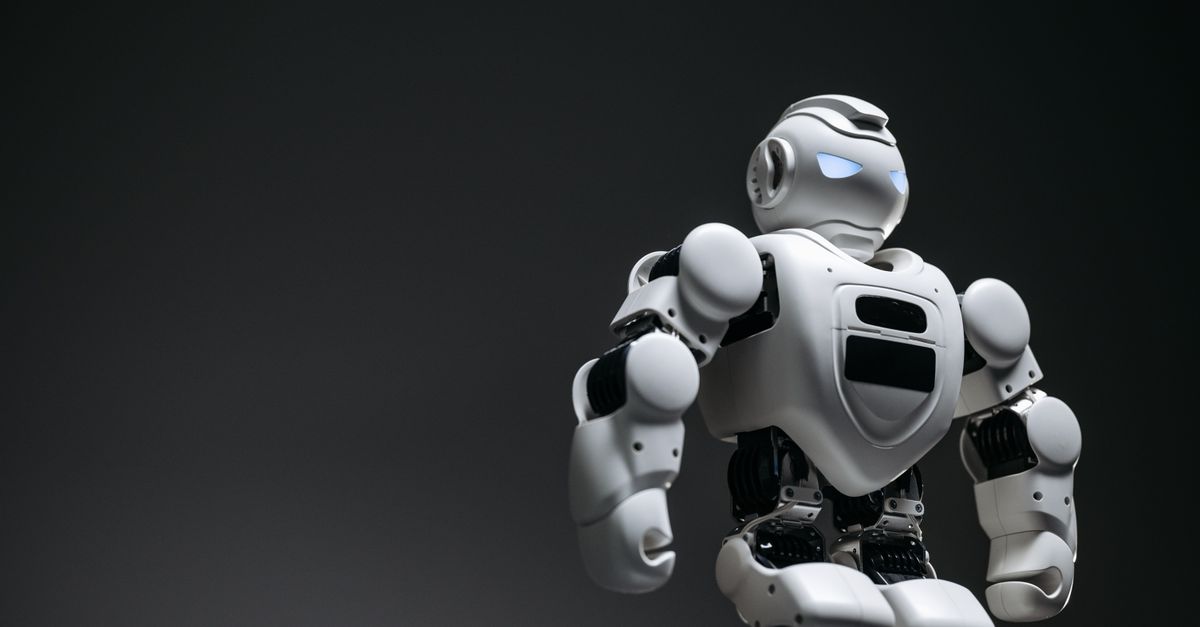
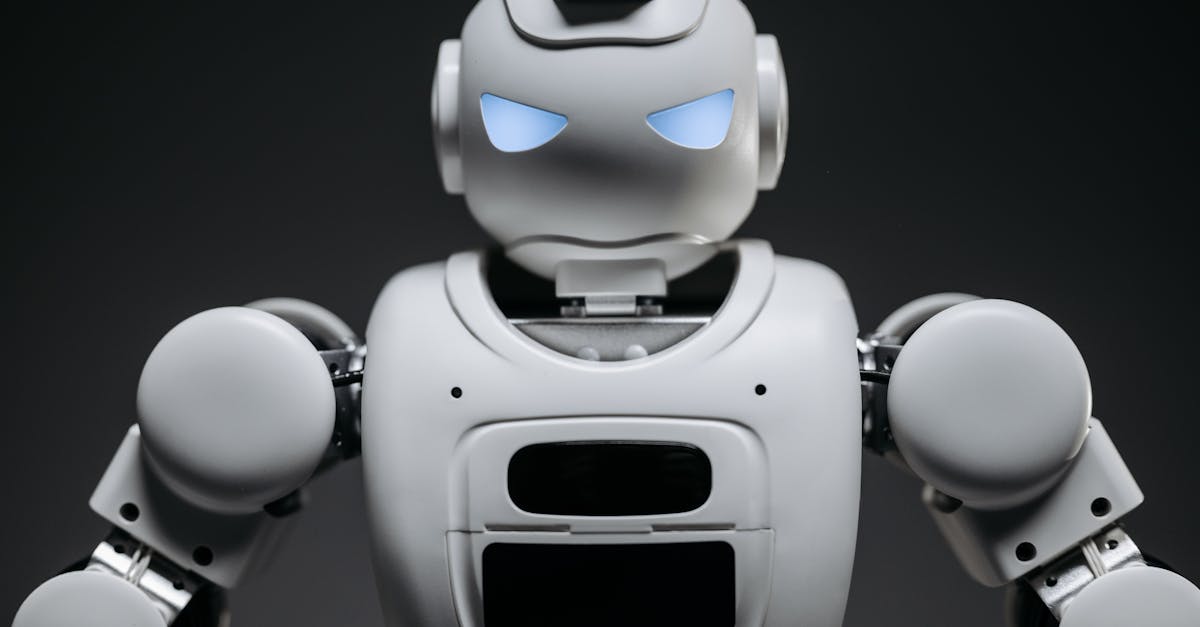
In a significant development for India's robotics sector, researchers at the Indian Institute of Technology (IIT) Madras have unveiled a new bipedal humanoid robot prototype. The project, led by the Department of Robotics and Artificial Intelligence, aims to create autonomous machines capable of operating in hazardous environments where human intervention is risky. The demonstration, held earlier this month at the institute's advanced robotics lab, showcased the robot's ability to traverse uneven terrain and navigate staircases with improved stability compared to previous generations.
The prototype features a lightweight carbon-fiber frame designed to reduce energy consumption while maintaining structural integrity. Key innovations include an AI-driven balance control system and adaptive grippers capable of handling delicate objects. Dr. Suresh Kumar, the lead researcher on the project, stated that the primary focus was on creating a cost-effective solution for India's specific infrastructure challenges. The robot is not intended for consumer use initially but rather for industrial safety and disaster relief operations.
India Market Implications and Pricing
While the prototype is currently in the research phase, industry analysts suggest that mass production could make this technology accessible to Indian industries within the next three years. Estimates for the initial industrial deployment version place the price point significantly lower than global competitors like Tesla's Optimus or Boston Dynamics' Atlas. Analysts predict a starting price of approximately INR 15-20 lakh for the initial industrial unit, making it a viable option for Indian manufacturing units requiring automation.
This development aligns with the Indian government's 'Make in India' initiative, which encourages domestic innovation in high-tech sectors. The research team is currently seeking partnerships with Indian manufacturing giants to scale production. The focus on cost-effectiveness addresses a major barrier in the Indian market, where high import duties on foreign robotics often limit adoption.
Future Research Directions
Looking ahead, the IIT Madras team plans to integrate advanced computer vision to allow the robot to interpret complex visual commands without pre-programmed paths. This would enable the machine to adapt to dynamic environments such as construction sites or flood zones. The project also includes plans for collaborative robotics, where multiple units can work together on a single task, enhancing efficiency in large-scale projects.
RobotWale.com notes that this advancement positions India as a potential emerging hub for humanoid robotics R&D. With a growing pool of engineering talent and a strategic focus on affordable automation, the IIT Madras prototype represents a critical step towards self-reliance in advanced robotics technology.
More in Reviews & Opinion