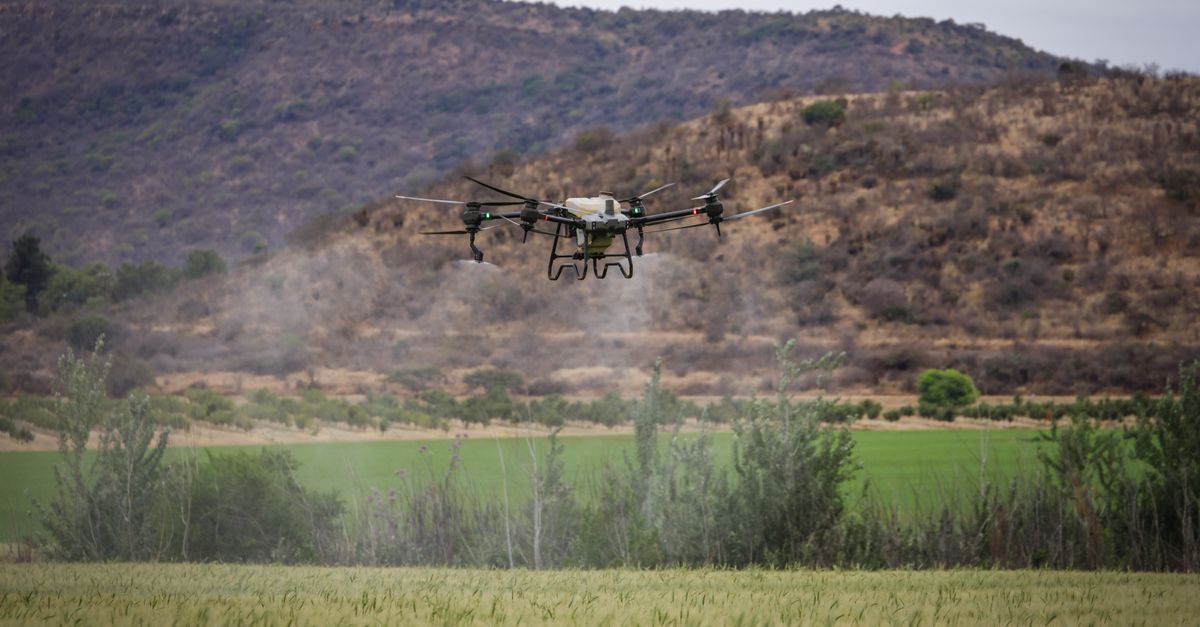
The Reality of Agricultural Drones in India: Hardware Specs vs Market Hype
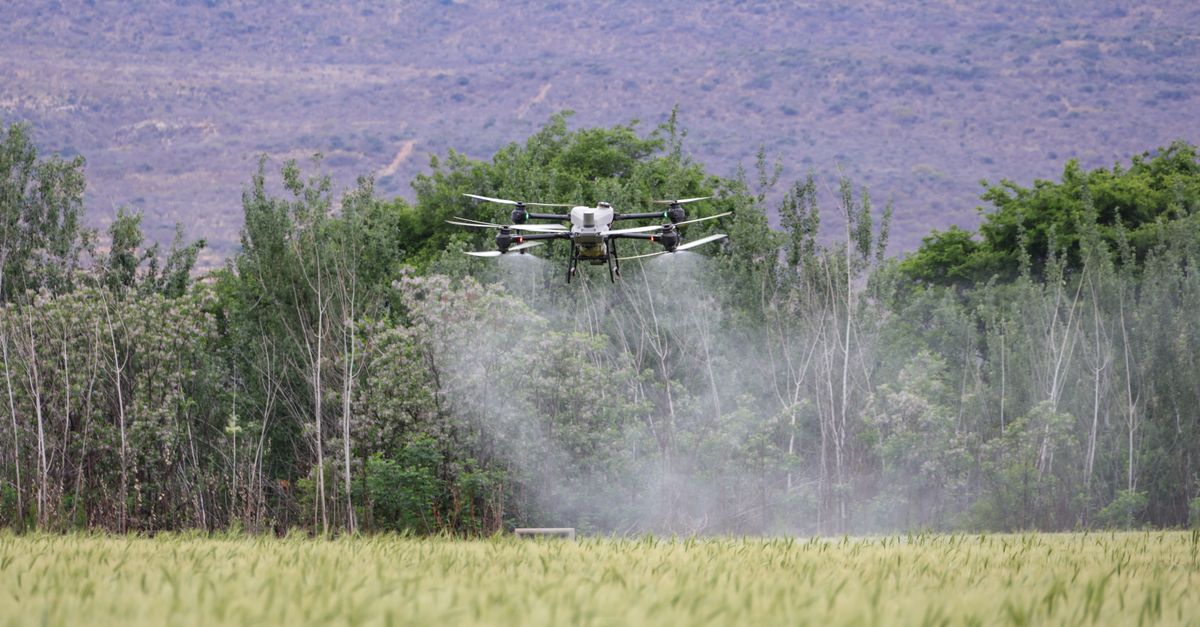
The Reality of Agricultural Drones in India
The agricultural landscape in India is undergoing a significant technological shift, driven by the urgent need to optimize input costs and reduce labor dependency. Agricultural drones, specifically designed for spraying fertilizers and pesticides, represent a substantial portion of the commercial Unmanned Aerial Systems (UAS) market. However, the distinction between manufactured hardware and conceptual announcements remains blurred in broader media coverage. At RobotWale, we grade claims based on shipping hardware first, pilot deployments second, and announcements last. This article evaluates the current state of agri-drones in India, focusing on established hardware like the DJI Agras series and the operational models of Indian manufacturers such as Garuda Aerospace.
Hardware First: The DJI Agras Ecosystem
When assessing the Indian agri-drone market, DJI Agricultural Products cannot be ignored. The company's Agras series has established a dominant foothold in the subcontinent, largely due to its proven reliability and service network. The flagship Agras T30 is a leading candidate for heavy-duty spraying. It features a maximum takeoff weight of 37kg and carries a 40-liter payload capacity. The flight time is rated at approximately 10 minutes under standard conditions, utilizing a 10.6kWh battery system. The T30 also integrates a radar system for obstacle avoidance, a critical feature for operation in complex rural environments where trees and power lines are prevalent.
More recently, the DJI Agras T40 has entered the conversation. This model offers an increased payload of 50kg and a 60-liter liquid capacity. It introduces a dual-spray system that allows for higher precision application rates. While marketing materials often suggest a significant leap in efficiency, the practical deployment requires understanding the ground infrastructure. In India, the landed cost for a DJI Agras T30 typically ranges between INR 12 lakh and INR 15 lakh, depending on the distributor and import duties. The T40 commands a higher premium, often exceeding INR 18 lakh before subsidies.
DJI has maintained a consistent supply chain in India, ensuring that spare parts and service centers are available in major agricultural states such as Punjab, Haryana, and Maharashtra. This logistical support is a primary factor in its market share. Competitors often struggle with after-sales service, which is vital for maintenance-intensive hardware like spraying drones that operate in corrosive chemical environments. The service network allows for rapid turnaround, which is essential during peak sowing and harvesting seasons when downtime directly impacts yield.
Indian Startups and the Service Model
Beyond DJI, Indian startups have adopted a different value proposition. Rather than selling hardware directly to individual farmers, many focus on Drone-as-a-Service (DaaS) models. Garuda Aerospace is a prominent example. Based in Bangalore, Garuda has moved beyond prototype announcements to operational deployments. Their focus involves partnerships with government bodies and large corporate farms to execute spraying contracts.
Garuda Aerospace's portfolio includes custom-built UAS capable of carrying payloads for surveillance and agricultural spraying. While specific technical specifications for their newest sprayer models are often released through press releases, independent verification of flight performance remains limited compared to DJI's open spec sheets. The company emphasizes regulatory compliance and insurance, which are critical barriers to entry in the Indian market. They have partnered with state governments to execute large-scale spraying operations, demonstrating that the hardware exists and is in motion.
Other startups such as TCM Drones and Skymatics are also exploring the agri-sector. However, the distinction between a custom build and a mass-produced unit is crucial. For the farmer, a mass-produced unit offers predictable performance, whereas a custom build may offer flexibility but higher maintenance costs. The business model for these startups relies on the service fee per acre. An average charging rate for spraying in India ranges from INR 300 to INR 600 per acre. This rate is competitive with traditional manual spraying, which often costs INR 800 to INR 1,000 per acre when including labor and fuel.
The ROI for the service provider depends on the utilization rate of the drone fleet. A drone that flies 100 acres per day can achieve profitability, whereas one flying 20 acres per day may incur high operational losses. This necessitates a robust logistics network to ensure the drone moves from farm to farm efficiently. The transition from pilot projects to full-scale commercial operations requires a shift from subsidy reliance to sustainable business modeling.
Regulatory Framework and Compliance
The operation of agricultural drones in India is governed by the Directorate General of Civil Aviation (DGCA). The DGCA Drone Rules 2021 introduced a specific framework for the registration and licensing of drones. For agricultural spraying, the Remote Pilot License (RPL) is mandatory. Operators must also adhere to the National UAS Airspace Platform (NUAS) for flight approval.
One significant regulation involves the "Green Corridor" for drones. This allows for certain low-risk flights without explicit permission, though agricultural spraying often falls under specific permit categories due to the release of chemicals into the environment. Farmers and operators must ensure the drones are registered under the Digital Sky Platform. Insurance is also mandatory, covering both third-party liability and the drone itself. This requirement adds to the operational cost, which must be factored into the service fee.
Subsidies under the Pradhan Mantri Khan Suraksha Yojana (PM-KSY) and state-specific schemes have reduced the capital expenditure for farmers. The subsidy typically covers 50% of the cost of the drone, capping at INR 1 lakh for most categories. This makes the effective price of a DJI Agras T30 closer to INR 6-7 lakh for eligible farmers. However, the subsidy process involves verification of the vendor and the end-user, which can introduce delays. The Ministry of Civil Aviation has also outlined specific categories for drones, classifying them as Nano, Micro, Small, Medium, and Large. Agricultural spray drones typically fall under the Small category, requiring specific certification.
Economic Viability and Operational Limitations
While the technical specifications are impressive, the economic reality dictates adoption. Battery life remains a primary constraint. Most agricultural drones offer a flight time of 10 to 15 minutes. For a 10-acre field, this requires multiple battery swaps and frequent landings. This operational friction increases the cost per acre compared to theoretical models. In rural India, where electricity access can be inconsistent, charging infrastructure becomes a bottleneck.
Furthermore, the payload capacity of agricultural drones is limited by the battery weight. A drone carrying 40 liters of chemical has a high center of gravity and requires significant power to maintain stability. In windy conditions, common in rural India during harvest seasons, the spray precision can be compromised. DJI's built-in sensors mitigate this, but the hardware limitation remains physical. The spray distribution pattern is also critical. A drone that sprays unevenly can lead to crop damage or waste, negating the efficiency gains.
Another consideration is the chemical compatibility. Agricultural spraying drones require specific tank linings to prevent corrosion. The service life of the spraying mechanism is often shorter than the airframe. Maintenance costs, including nozzle replacement and motor checks, can reach 10% of the drone's value annually. For the Indian farmer, the decision to purchase a drone is not just about hardware specs. It is about the availability of a trained pilot. The Remote Pilot License requires training from a certified training organization (ATO). The cost of this training adds to the initial investment.
Without a trained pilot, the drone remains a liability rather than an asset. Training centers are currently concentrated in urban hubs, creating a geographic disparity in access. The government has attempted to address this through rural training programs, but the reach is still limited. The lack of a standardized maintenance protocol across the industry further complicates the ownership experience.
Market Outlook and Future Adoption
The agricultural drone sector in India is moving from hype to hardware. DJI's Agras series continues to lead due to its mature supply chain and service network. Indian startups are gaining ground through service models that lower the barrier to entry for farmers. However, the regulatory framework and operational constraints, such as battery life and pilot training, remain significant hurdles. Future adoption will depend on the standardization of charging infrastructure and the reduction of regulatory friction.
The transition to precision agriculture will not be immediate. It requires a convergence of affordable hardware, accessible regulatory pathways, and reliable service ecosystems. As the manufacturing base for drones expands within India under the Production Linked Incentive (PLI) scheme, the cost of ownership is expected to drop, further accelerating adoption. However, the initial hardware cost remains high for smallholder farmers who dominate the sector.
For the commercial farm owner, the drone represents a viable tool for reducing chemical usage and labor costs. For the individual smallholder, the service model is currently the only accessible entry point. The ecosystem is maturing, with more players entering the space and regulatory pathways becoming clearer. The focus must shift from announcing new models to ensuring the reliability of the current fleet. Without consistent performance, the reputation of the technology could suffer, hindering long-term growth.
Conclusion
The agricultural drone sector in India is maturing beyond the initial hype cycle. DJI's Agras series continues to define the hardware standard, offering reliable performance and a robust service network. Indian startups like Garuda Aerospace are proving that a service-based model can bypass the high capital expenditure barrier for individual farmers. However, the regulatory framework and operational constraints, such as battery life, pilot training, and maintenance costs, remain significant hurdles to widespread adoption.
The economic viability of these systems depends on the utilization rate of the fleet and the consistency of the service model. As the manufacturing base for drones expands within India under the Production Linked Incentive (PLI) scheme, the cost of ownership is expected to drop, further accelerating adoption. For now, the sector is viable for commercial farms and service providers, but the individual farmer's path to ownership requires careful financial planning. The transition to precision agriculture will not be immediate, requiring a convergence of affordable hardware, accessible regulatory pathways, and reliable service ecosystems.
✓ Key takeaways
- •Hands-on view of The Reality of Agricultural Drones in India: Hardware Specs vs Market Hype inside our Agricultural Drones library.
- •Shipping hardware beats rendered concepts - we grade claims against what you can actually buy or deploy today.
- •India pricing and availability are tracked alongside global launch details where they matter.
References
Related articles
More in Agricultural Drones →