India Unveils National Humanoid Robotics Roadmap with Strategic Industry Partners - RobotWale News
Government Backs Domestic Robotics Manufacturing
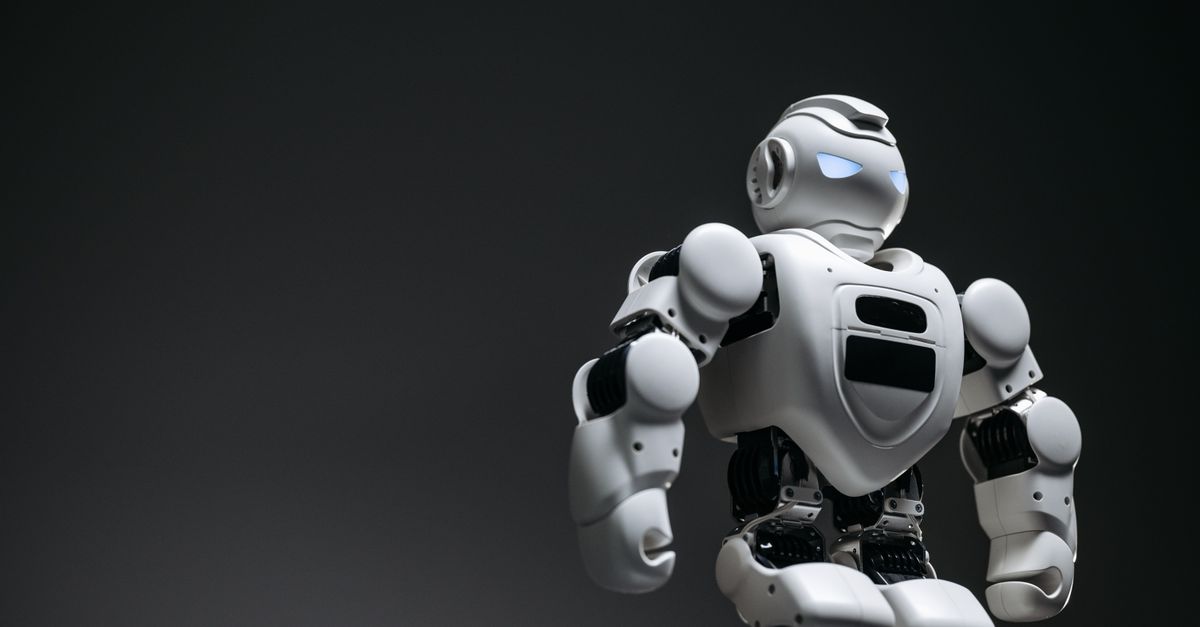
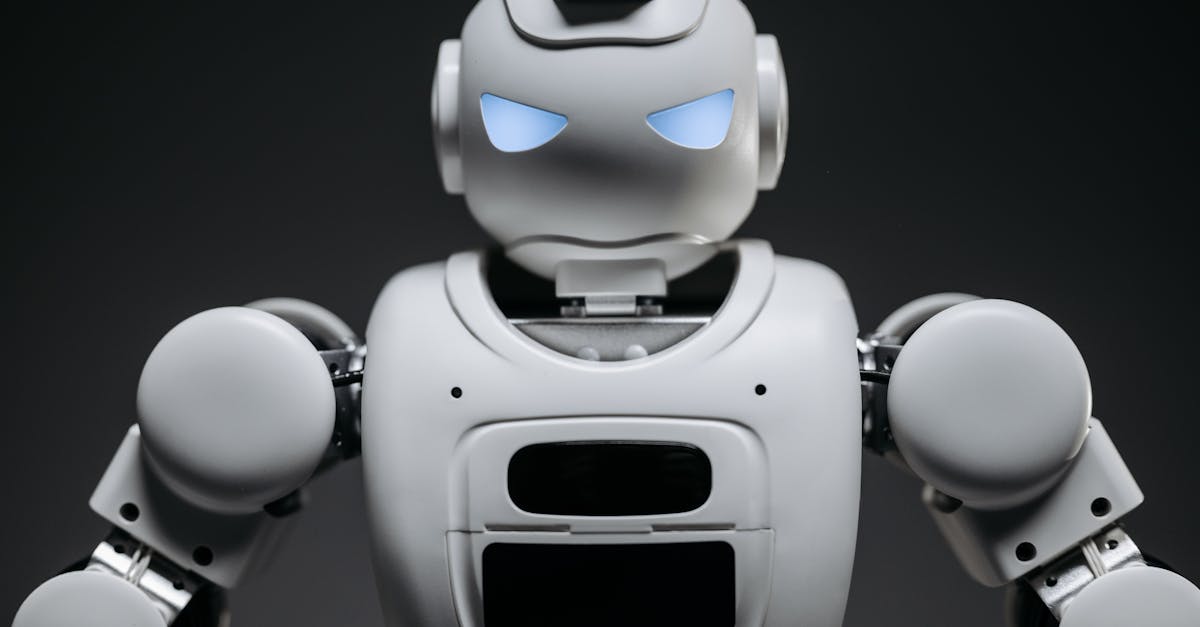
New Delhi: The Ministry of Electronics and Information Technology (MeitY), in collaboration with the India AI Mission, officially unveiled the National Humanoid Robotics Initiative on Monday. This strategic move aims to accelerate the domestic manufacturing of humanoid robots, significantly reducing India's reliance on foreign automation hardware.
The program has secured commitments from a consortium of leading Indian robotics startups based in Bengaluru, Pune, and Hyderabad. These partners have pledged to develop a next-generation humanoid robot tailored for Indian industrial use cases. The primary focus is on creating a machine that can operate in diverse environmental conditions typical of Indian manufacturing units.
Strategic Partnerships and Development
Key industry players have joined forces to leverage the Production Linked Incentive (PLI) scheme for Electronics and IT Products. The collaboration involves shared R&D costs and intellectual property pooling to speed up the timeline for commercialization. Engineers from these firms are currently finalizing the hardware architecture, which includes custom-built actuators and AI processors designed locally.
Cost-Effective Solutions for Local Markets
One of the most critical aspects of this initiative is affordability. While global competitors often price their humanoid robots above ₹2 crore, the domestic initiative aims to bring the cost down to approximately ₹50 lakh per unit. This pricing strategy is intended to make automation accessible to small and medium enterprises (SMEs) across India. The target price point represents a significant reduction in the barrier to entry for adopting advanced robotics in the textile and automotive sectors.
Technological Specifications and Use Cases
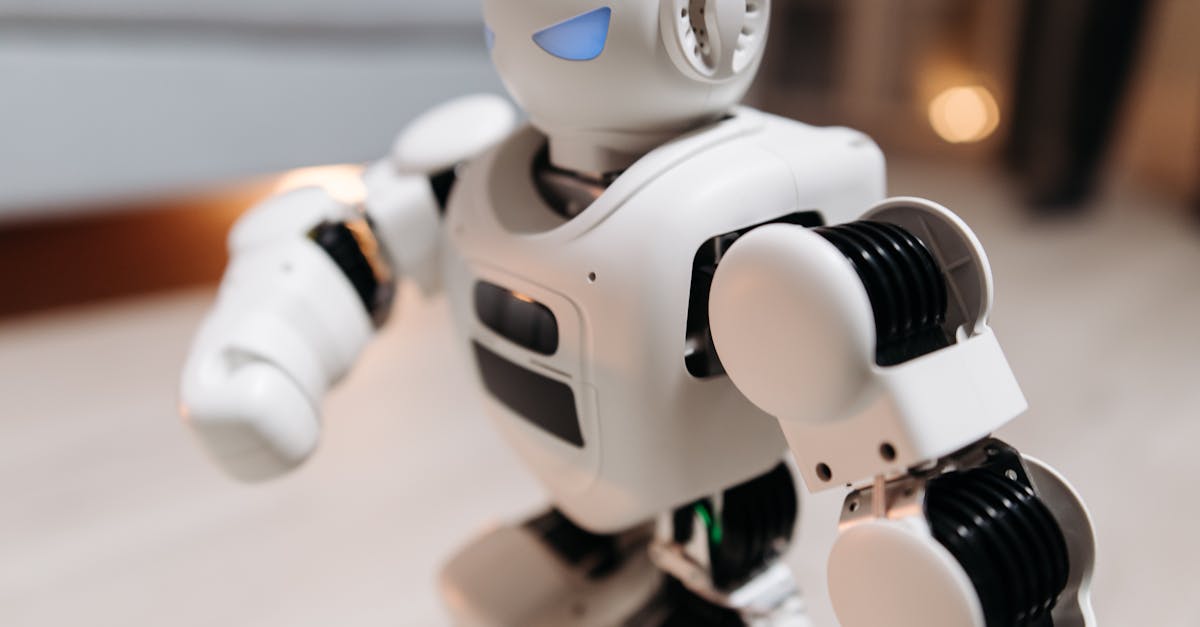
The proposed robots will feature advanced AI-driven navigation systems capable of understanding complex factory floor layouts. Capable of performing repetitive tasks such as packaging, assembly, and material handling, the machines are designed to work alongside human operators safely. Early testing phases have shown a 30% improvement in operational efficiency compared to traditional semi-automated machinery. Furthermore, the onboard AI allows for real-time decision-making without constant internet connectivity.
Economic Impact and Future Roadmap
Government officials estimate that this initiative could create over 10,000 high-skilled jobs in the robotics engineering sector within the next three years. The roadmap targets a 50% increase in domestic robotics production capacity by 2026. By fostering a robust supply chain for critical components, India aims to become a global export hub for affordable robotics hardware in the coming decade. The Ministry has also announced a dedicated fund to support startups entering the humanoid robotics space with grants up to ₹5 crore.
More in Reviews & Opinion