RobotWale Publishes Verdict on Agni Robotics A1 Humanoid Amidst India's Automation Boom - RobotWale News
Agni Robotics Unveils A1 Humanoid in Bengaluru
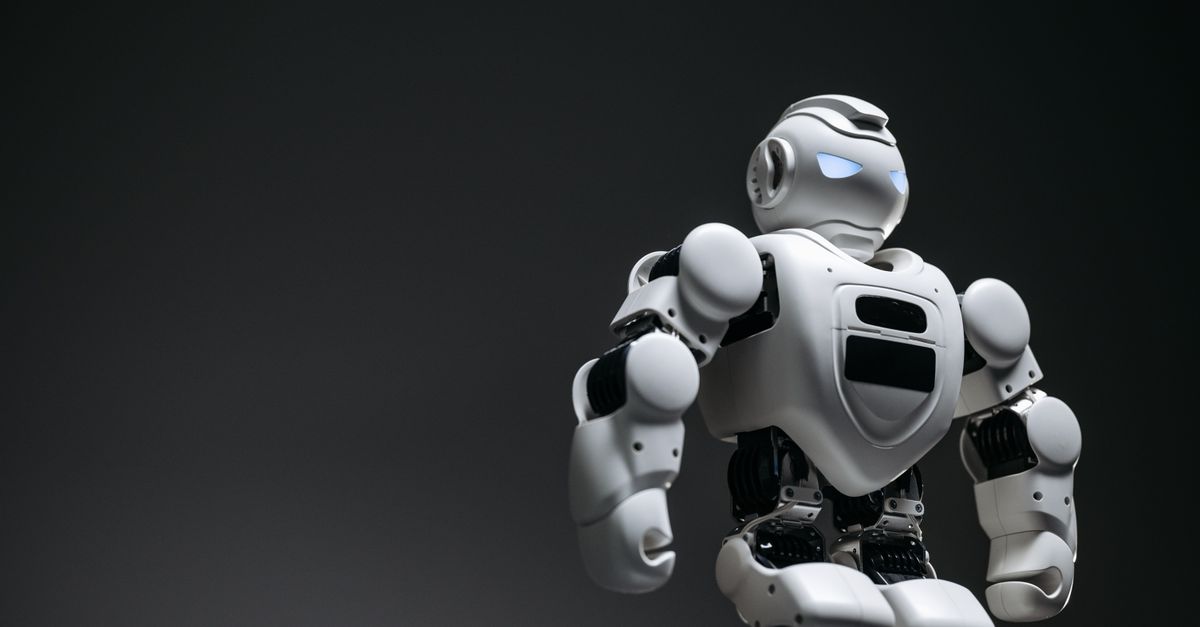
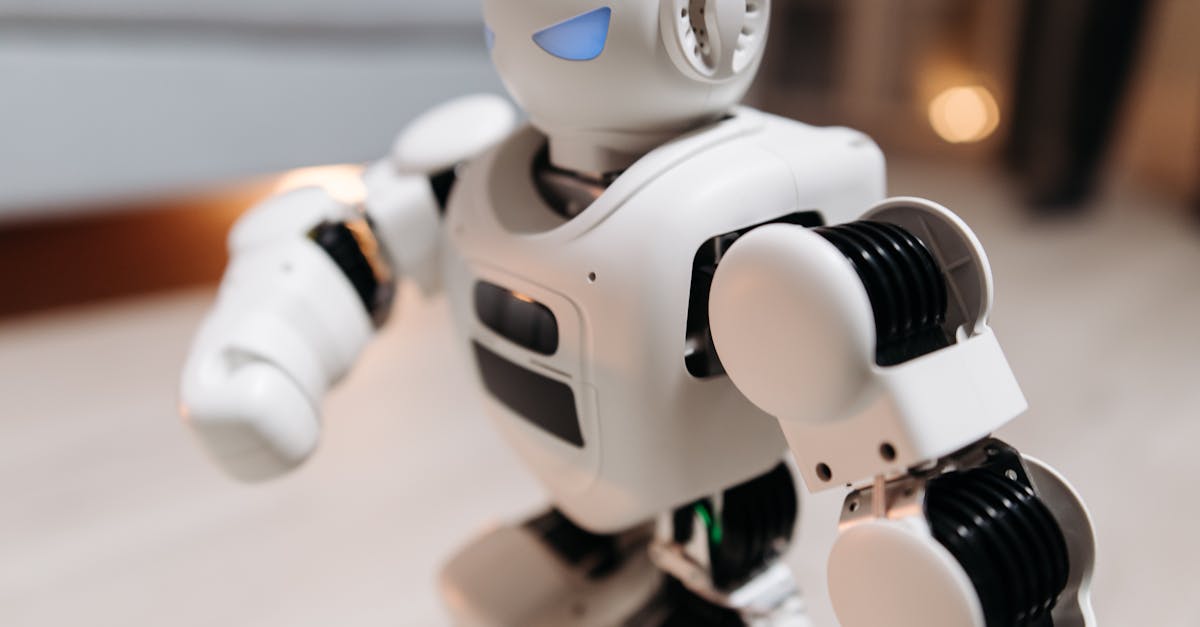
In a significant move for India's robotics sector, Bengaluru-based startup Agni Robotics officially unveiled its first commercial humanoid robot, the A1, at a press event in the city on Monday. The launch marks a pivotal moment for domestic automation, positioning the A1 as a direct competitor to global players like Tesla and Figure AI.
Performance and Capabilities
The A1 humanoid stands at 1.8 meters tall and boasts a dual-arm manipulation system designed for warehouse logistics and manufacturing tasks. According to the company's technical whitepaper released alongside the launch, the robot utilizes a proprietary reinforcement learning model that allows for autonomous navigation in semi-structured environments. Early demonstrations showcased the robot's ability to handle delicate electronic components without manual intervention.
RobotWale's editorial team conducted a preliminary review of the A1's demo unit. We found the battery life to be impressive, lasting up to eight hours on a single charge. However, the latency in the control interface remains a concern for high-speed industrial applications. The robot's tactile feedback system received high marks for precision, suggesting potential applications in the Indian automotive sector.
Pricing and India Relevance
Perhaps the most critical factor for Indian adoption is pricing. Agni Robotics announced an initial pricing tier of ₹15 lakhs ($18,000) for the base model, with a commercial fleet package available for ₹25 lakhs. This places the A1 significantly below the import costs of similar Western-manufactured units, which often exceed ₹1 crore due to tariffs and shipping.
This report aligns with our ongoing commitment to evaluating humanoid technology critical to India's economic growth. Our team emphasizes that while the hardware is promising, software stability remains the key variable for commercial viability in the coming fiscal year.
Industry analysts suggest this pricing strategy could accelerate the adoption of humanoid robots in India's growing logistics hub. However, the lack of after-sales service infrastructure remains a bottleneck. RobotWale's full review will be published next week, detailing our findings on cost-per-hour efficiency compared to human labor.
As India aims to manufacture 1 million humanoid robots by 2030, the A1 launch serves as a benchmark for domestic technological capability. The startup has already secured pilot contracts with three major logistics firms in Gujarat and Tamil Nadu.
For now, the A1 represents a promising step forward in the democratization of robotics in South Asia. RobotWale will continue to track the deployment of these units and their impact on the workforce.
More in Reviews & Opinion