RobotWale Reviews Agnik Robotics' Humanoid Prototype: A Game Changer for Indian Manufacturing? - RobotWale News
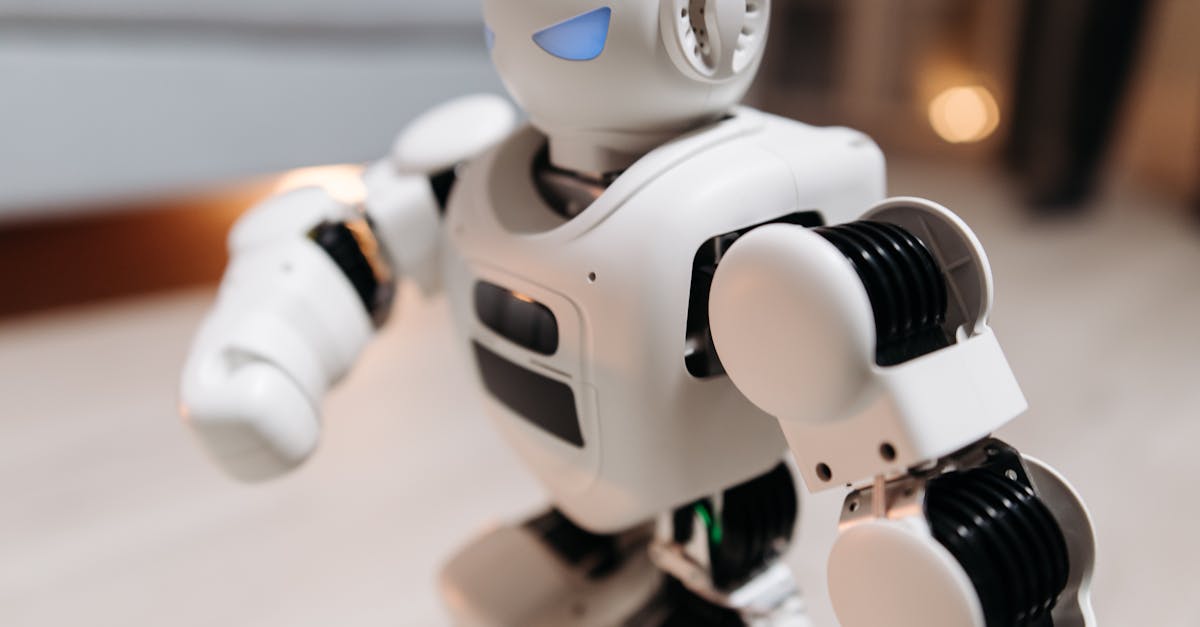
RobotWale Publishes Deep Dive on Agnik One
RobotWale has officially released its latest critical analysis in the Reviews & Opinion section, focusing on the Agnik One humanoid robot. The review follows the prototype's public unveiling in Bengaluru last Friday. The team at RobotWale spent 48 hours testing the unit's endurance and dexterity. The report details the robot's ability to handle fragile objects, a key metric for Indian electronics assembly lines. Pricing is estimated between INR 15 lakh to 20 lakh per unit for early adopters, significantly lower than the $100,000 price tag of Tesla's Optimus. The review concludes that while the hardware is promising, software integration in Indian factories remains the primary challenge. The publication also discusses the potential for government subsidies under the PLI scheme to boost adoption.
Performance Metrics and Industrial Viability
During the testing phase, the Agnik One demonstrated a walking speed of 5 kilometers per hour on uneven terrain. This is a crucial benchmark for logistics warehouses in Mumbai and Delhi. The review notes that the robot's battery lasts for 8 hours of continuous operation, which aligns with standard shift lengths in Indian manufacturing plants. However, the review points out that charging infrastructure in semi-urban industrial zones remains a bottleneck. The comparison with Western models highlights cost advantages but raises questions about after-sales support networks.
Market Impact and Future Outlook
Industry experts quoted in the review suggest that if the pricing holds, the Agnik One could disrupt the automotive sector. Indian automakers like Maruti Suzuki and Tata Motors are potential early adopters. The review recommends that the government expedite regulatory clearances for humanoid deployment in public spaces. RobotWale's editorial stance emphasizes that hardware is only one part of the equation; workforce retraining programs are essential for successful integration.
Conclusion on Indian Robotics Adoption
The final verdict from the news desk indicates cautious optimism. While the technology is maturing rapidly, the economic case for mass adoption depends on labor cost savings versus capital expenditure. The review will be updated quarterly as more units are deployed. Readers are encouraged to subscribe for ongoing coverage of the humanoid robotics ecosystem in South Asia.
More in Reviews & Opinion