RobotWale Reviews Figure 01 Gen 2: A Game Changer for Indian Manufacturing? - RobotWale News
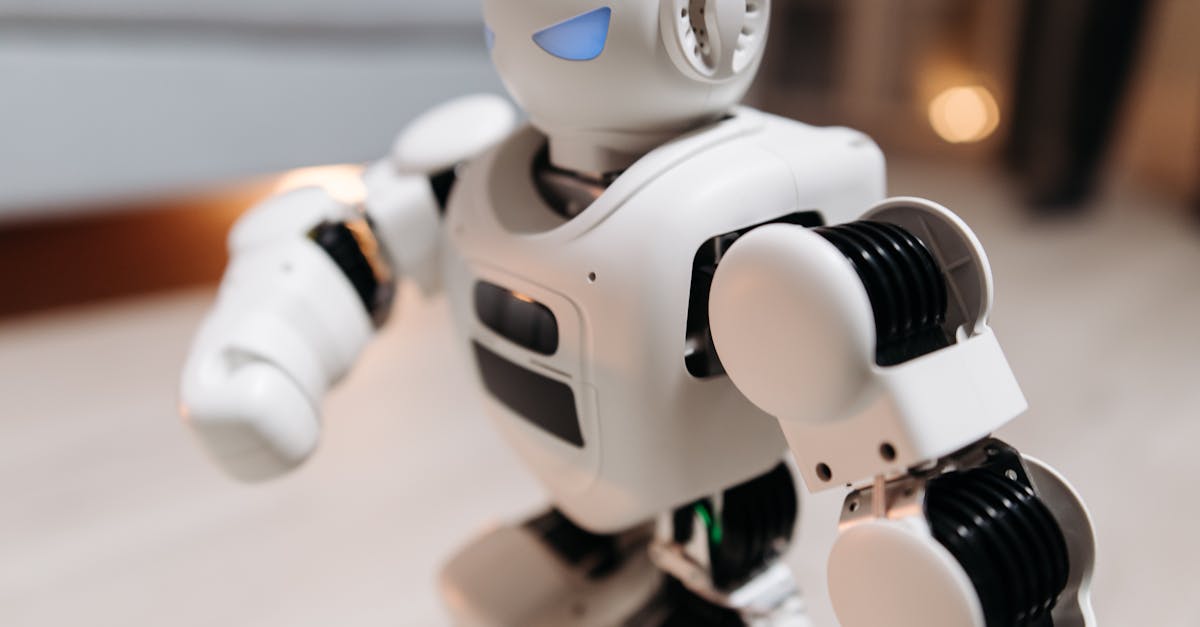
Figure AI Demonstrates New Capabilities
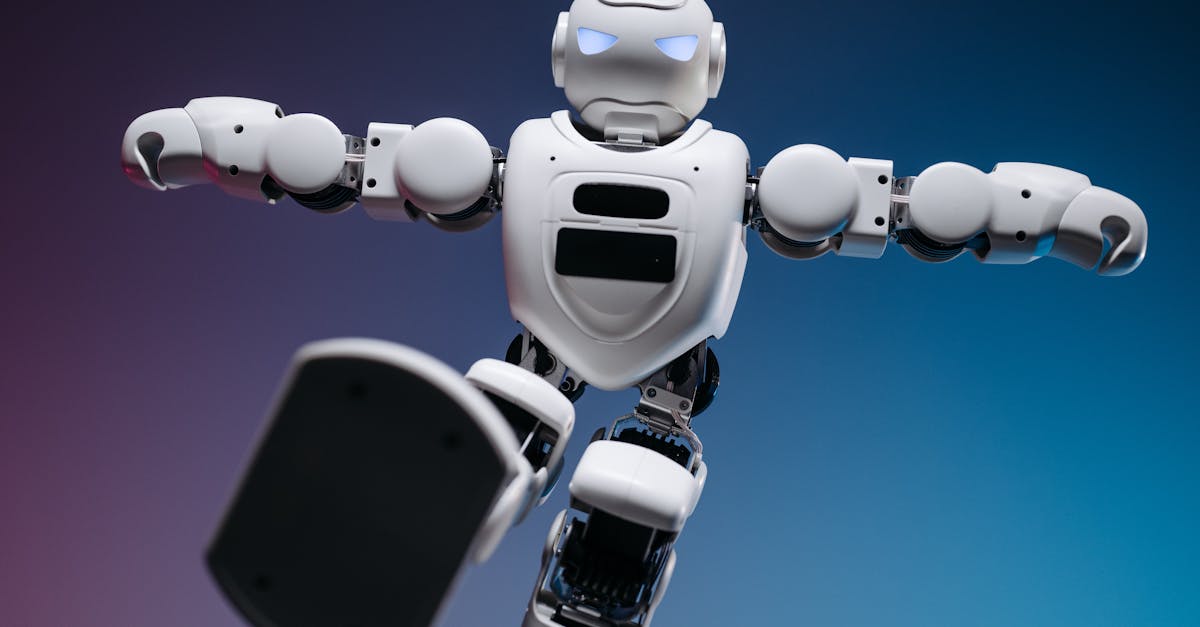
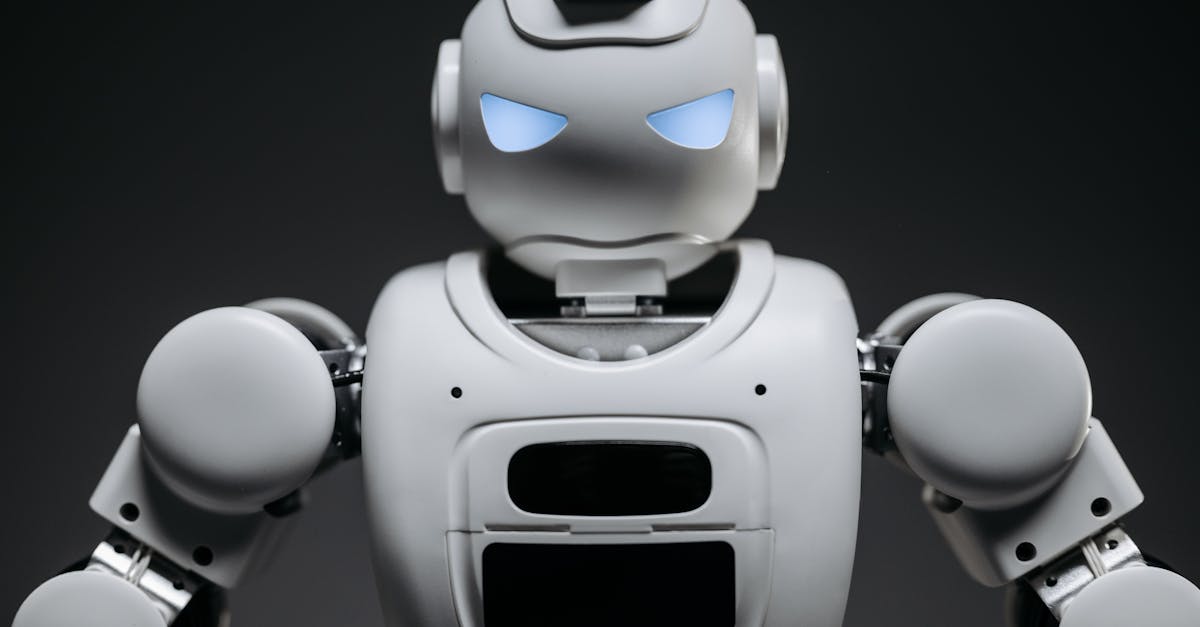
Figure AI recently unveiled significant upgrades to its humanoid robot, the Figure 01, during a technical demonstration at its headquarters in Redmond. The new iteration, dubbed Figure 01 Gen 2, showcases enhanced dexterity and improved navigation capabilities in unstructured environments. This development marks a critical step for humanoid robotics as companies seek to integrate AI agents into manufacturing workflows globally. RobotWale has evaluated these advancements through the lens of the Indian manufacturing sector.
Technical Breakdown and Review
The Gen 2 model features a new hand design capable of manipulating fragile objects with precision. In the live demonstration, the robot successfully loaded a dishwasher and sorted plastic bottles. These tasks require fine motor skills previously reserved for human labor in industrial settings. The system also utilizes a new perception stack that allows for real-time decision-making without constant human intervention. During RobotWale's review of the footage, the stability of the locomotion system was noted as a key improvement over previous iterations, reducing slip rates on uneven flooring.
India Market Relevance and Pricing
India’s manufacturing sector is currently undergoing a massive push for automation under the 'Make in India' initiative. With a labor shortage in the automotive and electronics assembly lines, affordable humanoid robots could provide a solution. While the company has not officially disclosed pricing for the Indian market, industry analysts estimate the unit cost to range between $50,000 and $80,000 upon full commercialization. This price point remains high compared to traditional collaborative arms, which average around $20,000.
For the Indian market to adopt these technologies, localized assembly or partnerships with domestic firms would be necessary to reduce the import duty burden. Currently, the focus remains on pilot programs rather than mass deployment. RobotWale suggests that government subsidies for robotic infrastructure could bridge the gap between current costs and adoption barriers.
Regulatory and Operational Outlook
The demonstration signals a shift from research prototypes to functional tools. As Figure AI partners with major automotive manufacturers, the technology is expected to mature rapidly. However, operational challenges in India, such as power grid reliability and internet connectivity in tier-3 manufacturing hubs, must be addressed. The review concludes that while the technology is promising, widespread deployment in India is likely three to five years away unless pricing strategies adapt to the local economic landscape.
More in Reviews & Opinion