Tesla Optimus Gen 2 Demo Sparks Indian Manufacturing Interest - RobotWale News

Tesla Optimus Gen 2 Unveils New Capabilities
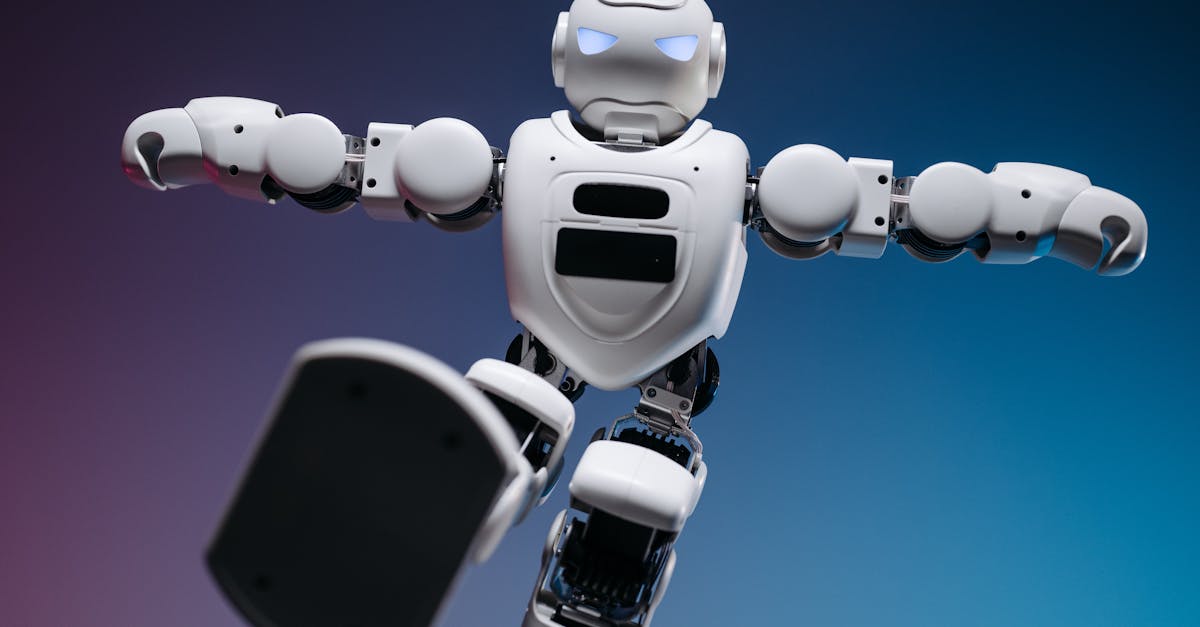
In a significant development for the global robotics sector, Tesla Inc. recently demonstrated its Optimus Gen 2 humanoid robot, showcasing improved mobility and dexterity during a live event. The demonstration highlighted the robot's ability to perform complex tasks such as sorting objects and walking on uneven terrain. This marks a pivotal step forward for the company's ambition to deploy humanoid robots in manufacturing environments worldwide.
Industry analysts suggest that these advancements could fundamentally alter the landscape of automated labor. The Gen 2 model features a more refined motor design and enhanced battery efficiency compared to its predecessor. While specific technical specifications remain under wraps, the visual demonstration has already generated significant buzz among tech enthusiasts and industrial partners globally.
Indian Market Relevance and Pricing
For the Indian market, the implications are profound. As India pushes towards becoming a global manufacturing hub under the 'Make in India' initiative, the integration of humanoid robots could accelerate production capabilities in automotive and electronics sectors. However, the cost of entry remains a critical factor. Early estimates suggest that the initial price point for such advanced hardware will be premium, potentially exceeding $50,000 per unit.
Indian startups and manufacturing giants are closely monitoring these developments. Local companies are exploring partnerships to license technology or assemble components to reduce costs. If Tesla decides to localize production or form a joint venture with Indian firms, the pricing could become more accessible for domestic industries.
Regulatory and Economic Impact
The introduction of humanoid robots raises questions regarding labor displacement and regulatory frameworks. The Indian government is currently reviewing policies to ensure that automation complements rather than displaces the workforce. Experts from the National Robotics Mission have indicated that supportive policies will be necessary to facilitate the smooth adoption of such technologies.
RobotWale.com's analysis suggests that while the technology is promising, the cost barrier remains high for small and medium enterprises. Nevertheless, the trajectory indicates that humanoid robotics will likely become a key component of India's industrial growth story in the coming decade.
More in Reviews & Opinion