Boston Dynamics: The Industrial Reality of Spot and Atlas in the Post-Hyundai Era
Executive Summary: From Research Lab to Industrial Arm
Boston Dynamics has long occupied a unique position in the robotics industry, bridging the gap between academic research and commercial hardware. Founded in 1992, the company moved from research labs to commercial hardware. In 2020, Hyundai Motor Group acquired a controlling stake, marking a significant transition from pure research to industrial application. This shift marks a critical juncture where engineering capability must be weighed against economic viability.
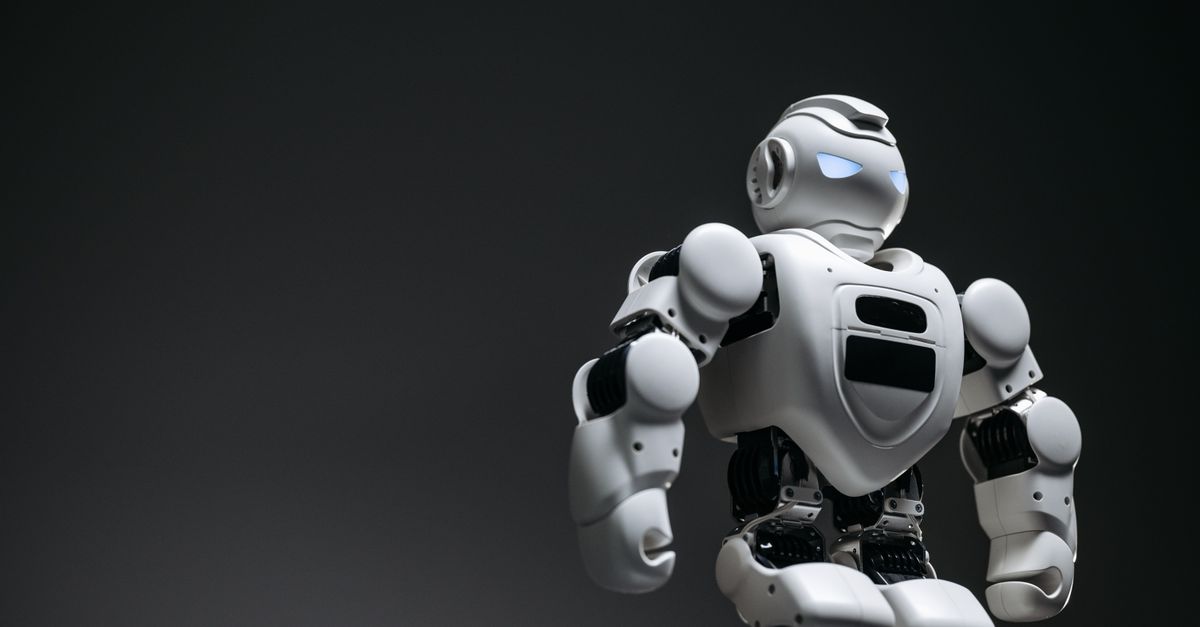
The company's current portfolio is defined by two distinct products: Spot, the quadruped platform, and Atlas, the humanoid prototype. While media often conflates the two, the commercial realities differ significantly. Spot is a deployed asset generating revenue. Atlas remains a research flagships with limited pilot deployments. In the context of the Indian market, availability is constrained by high import duties, lack of localized service infrastructure, and strict regulatory frameworks regarding autonomous machines.
Spot: The Commercial Workhorse
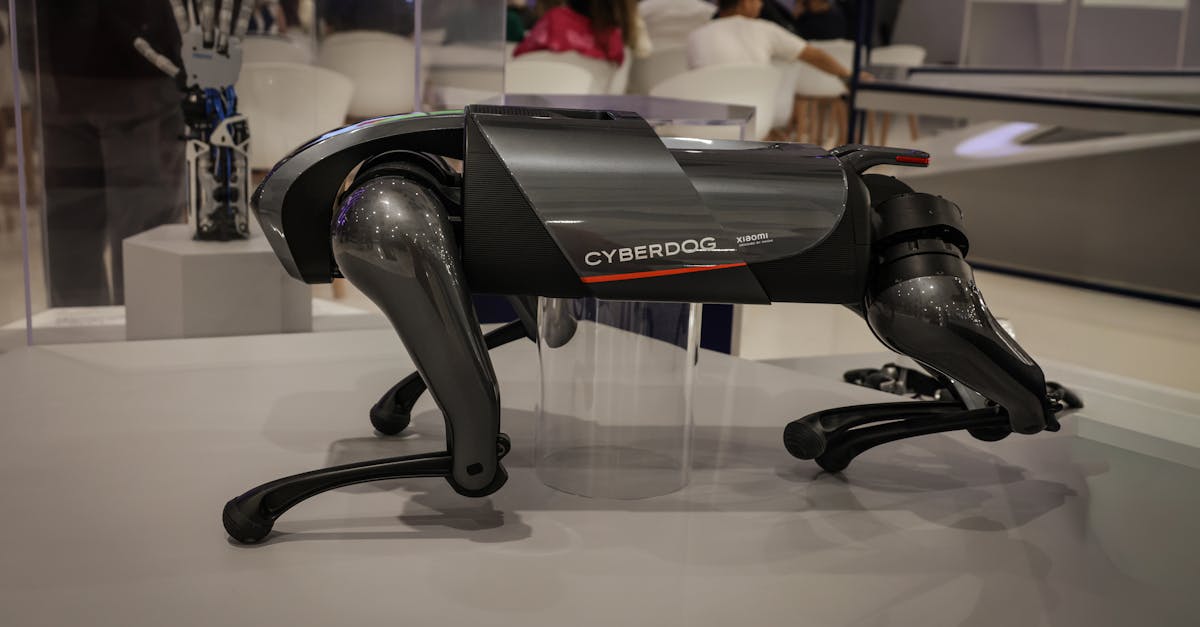
Spot is the only widely deployed quadruped in the industrial sector. It is not a toy or a concept; it is a sensor platform designed for inspection and data collection. The machine weighs approximately 41kg (90lbs) for the standard version and supports a payload of 14kg. Its mechanical design allows it to navigate uneven terrain, including stairs and gravel, which wheeled robots cannot handle.
Technical Specifications and Reliability:
- Sensor Suite: Spot includes a customizable payload bay equipped with LiDAR, 3D cameras, and thermal sensors. This allows for inspection of high-voltage infrastructure, gas pipelines, and construction sites.
- Autonomy: The robot features autonomous navigation capabilities via its on-board processing unit. However, it often operates under teleoperation or remote supervision for complex tasks.
- Software: The Spot App and developer kit allow third-party integration. This is where the hardware becomes a platform.
Deployment Status:
Spot units are actively shipping to customers in the energy, infrastructure, and manufacturing sectors. Case studies include Chevron using Spot for pipeline inspection and Amazon using it for warehouse logistics auditing. These are not press releases; they are operational deployments. However, the cost of ownership is high. The base unit starts around $75,000 USD. With optional sensors and software subscriptions, the total cost of ownership can exceed $120,000 USD per unit.
India Availability and Pricing:
There is no direct Boston Dynamics storefront in India. Sales occur through authorized system integrators and distributors. The landed cost in India, accounting for an 18% GST, 10% customs duty (HS Code 8479), and logistics, places the price between INR 65 Lakhs to INR 80 Lakhs for a base configuration. This excludes the cost of specialized third-party payloads. For Indian manufacturing plants, this price point restricts adoption to large-cap enterprises with significant CAPEX budgets.
Atlas: The Evolving Flagship
Atlas has always been the company's research flagship. It was the first humanoid robot to demonstrate dynamic movement and balance. Following the Hyundai acquisition, development has pivoted. The original hydraulic Atlas was retired in favor of new electric and hydrogen-powered variants.
Current Status:
The new Atlas model, often referred to as Delta or the electric Atlas, focuses on energy efficiency. Hydraulic systems were replaced with electric actuators to reduce maintenance and noise. While the robot can run, jump, and parkour, this capability is primarily for testing control algorithms rather than immediate commercial deployment.
Hyundai's Vision:
Hyundai views Atlas not as a product for sale, but as a technology demonstrator. The goal is to transfer these control algorithms to other products, such as the Delta mobile manipulation platform. Delta is a mobile manipulator designed to lift and transport heavy loads. This is a step toward commercialization but is still in the pilot phase.
Availability:
Atlas is not available for general purchase. Units are reserved for research partners and government pilots. There is no pricing sheet for the public. In India, the barrier to entry is even higher due to the lack of service infrastructure for such complex electromechanical systems. A single repair could require shipping components back to the US or South Korea.
Commercial Deployment vs. Research Vision
Boston Dynamics differentiates itself by grading claims based on shipping hardware. Spot is the primary revenue generator. Atlas is the reputation builder. This distinction is crucial for investors and industrial buyers.
Spot Software Ecosystem:
The Spot App allows users to program missions via a tablet interface. This reduces the need for constant teleoperation. However, the system is not fully autonomous in unstructured environments. It requires pre-mapped terrain or operator intervention. This limitation is often glossed over in marketing materials.
Service Contracts:
Maintenance is a significant cost driver. Boston Dynamics offers service contracts for warranty and support. In India, the absence of an authorized service center means downtime can be prolonged. Companies must budget for internal robotics engineers to manage minor repairs.
India Market Viability
The Indian robotics market is nascent. While there is interest in automation, the ROI for high-end dynamic robots like Spot is not yet clear for mid-sized industries.
- Regulatory Landscape: India lacks specific regulations for autonomous mobile robots in public spaces. This creates uncertainty for deployment on construction sites or public infrastructure.
- Labor Cost: Compared to the West, labor in India is cheaper. The economic case for replacing a human inspector with a $100,000 robot is harder to justify without safety or quality mandates.
- Infrastructure: High-voltage infrastructure inspection requires specialized payloads. These are often third-party integrations that add to the total cost.
Estimated INR Pricing:
For a complete Spot deployment with basic sensors and a one-year service contract, Indian buyers should expect a landed cost of approximately INR 70 Lakhs to INR 90 Lakhs. This is a premium price point that limits adoption to the top 1% of industrial enterprises.
Conclusion
Boston Dynamics remains a benchmark in dynamic robotics. Post-Hyundai acquisition, focus shifts to commercial viability. Spot is shipping globally with verified deployment cases; Atlas is transitioning to electric/hydrogen versions. India market is nascent with high landed costs and regulatory hurdles. The company's success now depends on reducing the cost of ownership and expanding service networks in emerging markets.
For Indian industrial leaders, the decision to adopt Spot requires a clear ROI case. It is a tool for safety and data, not a replacement for workforce. Atlas remains a research asset, not a commercial product. As the industry matures, the line between research and deployment will blur, but for now, hardware shipments dictate the true state of the technology.
✓ Key takeaways
- •Hands-on view of Boston Dynamics: The Industrial Reality of Spot and Atlas in the Post-Hyundai Era inside our Boston Dynamics library.
- •Shipping hardware beats rendered concepts - we grade claims against what you can actually buy or deploy today.
- •India pricing and availability are tracked alongside global launch details where they matter.
References
Related articles
More in Boston Dynamics →