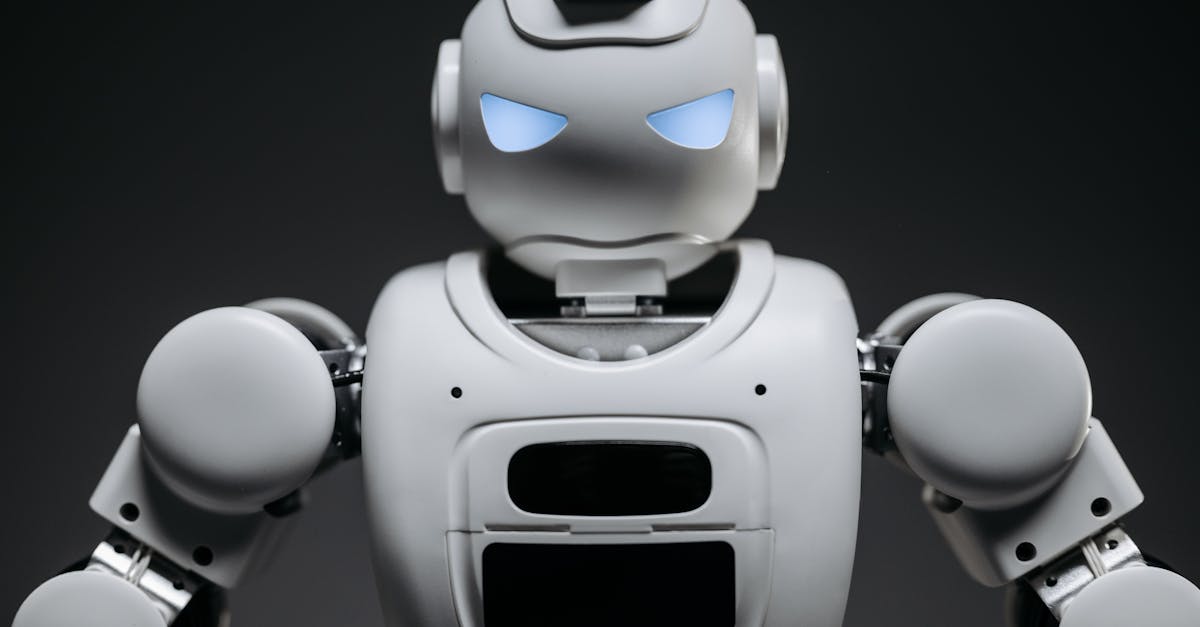
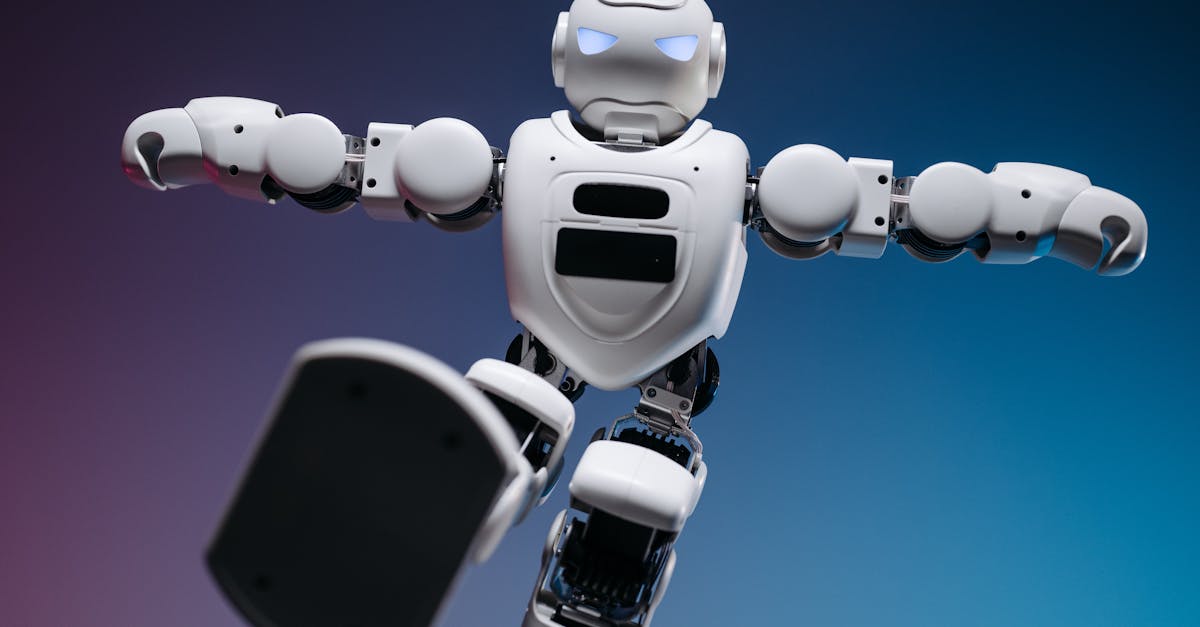
Tesla Optimus Gen 2 Demonstrates Improved Dexterity and Speed - RobotWale News

Tesla Optimus Gen 2 Unveiled with Enhanced Capabilities
Tesla has officially revealed the next iteration of its humanoid robot, Optimus Gen 2, showcasing significant improvements in mobility and dexterity during its latest AI Day presentation. The robot now demonstrates the ability to walk at increased speeds and perform complex object manipulation tasks with greater precision. This development marks a critical step toward the commercialization of humanoid robotics, positioning the technology for potential adoption in industrial automation sectors globally.
Technical Specifications and Performance
The Gen 2 model features a more compact chassis and advanced actuators that allow for smoother movement compared to its predecessor. Early demonstrations indicate a reduction in actuation noise and an increase in battery efficiency. The robot’s hands are equipped with high-torque motors designed to handle fragile items without damage, a key requirement for manufacturing environments. Tesla claims the system is now capable of navigating unstructured environments, a major leap from previous static demonstrations.
Implications for the Indian Market
For India, the Optimus Gen 2 announcement carries significant weight. The Indian manufacturing sector, particularly in automotive and electronics assembly, is actively seeking automation solutions to address labor shortages and increase productivity. Industry experts suggest that if Tesla enters the Indian market, the pricing could range between ₹40 lakhs and ₹60 lakhs per unit, making it accessible to large-scale enterprises and mid-tier manufacturers.
Furthermore, the Indian government’s push for ‘Make in India’ and initiatives supporting robotics R&D could facilitate local integration of such systems. Partnerships between Tesla and Indian logistics firms are being anticipated to leverage the robot for warehouse automation and last-mile delivery challenges.
Industry Response and Future Roadmap
Competitors in the humanoid space are closely monitoring Tesla’s progress. The introduction of Gen 2 has raised the bar for performance metrics that other developers must meet to remain competitive. Tesla has indicated that mass production could begin within the next 12 months, pending regulatory approvals.
As the technology matures, the focus will shift from demonstration to deployment. For RobotWale.com readers, this represents a pivotal moment where humanoids transition from novelty to functional industrial tools. The potential for cost reduction in the Indian market remains a key variable that will determine the scale of adoption in the coming fiscal year.
Tesla remains committed to safety protocols, ensuring that all deployed units meet strict operational standards before entering public spaces. The company continues to invite feedback from industrial partners to refine the software stack for specific regional requirements.
More in Reviews & Opinion