Tesla Optimus Gen 2 Unveiled: Faster Walking and Lower Cost Target Indian Manufacturing Hubs - RobotWale News

Tesla Unveils Optimus Gen 2 Capabilities
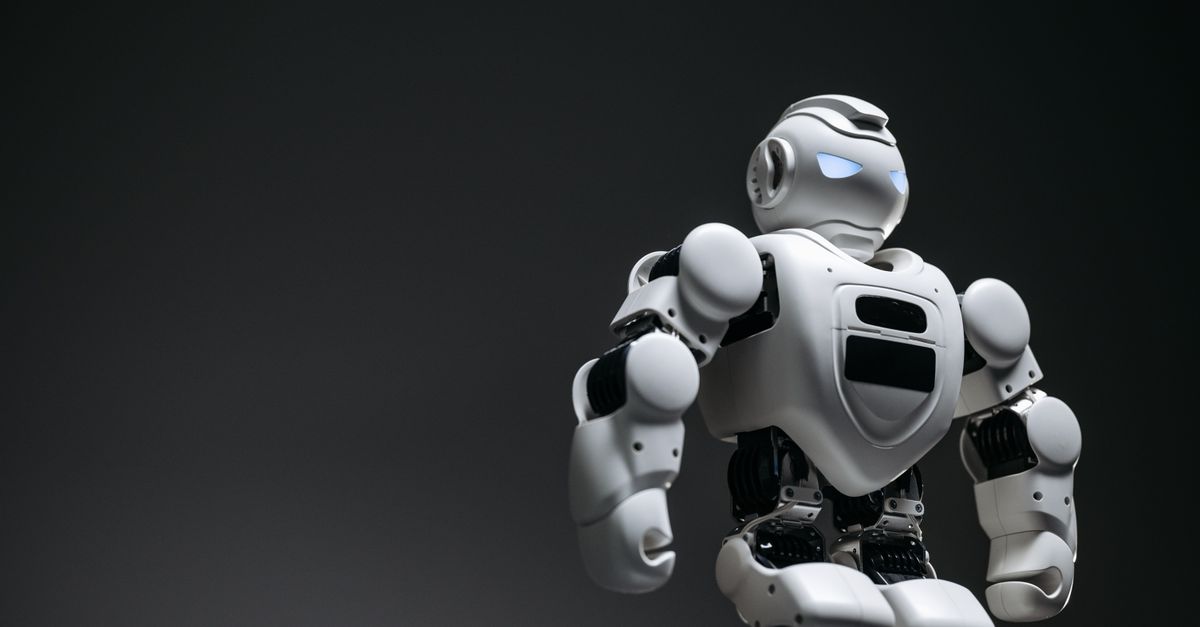
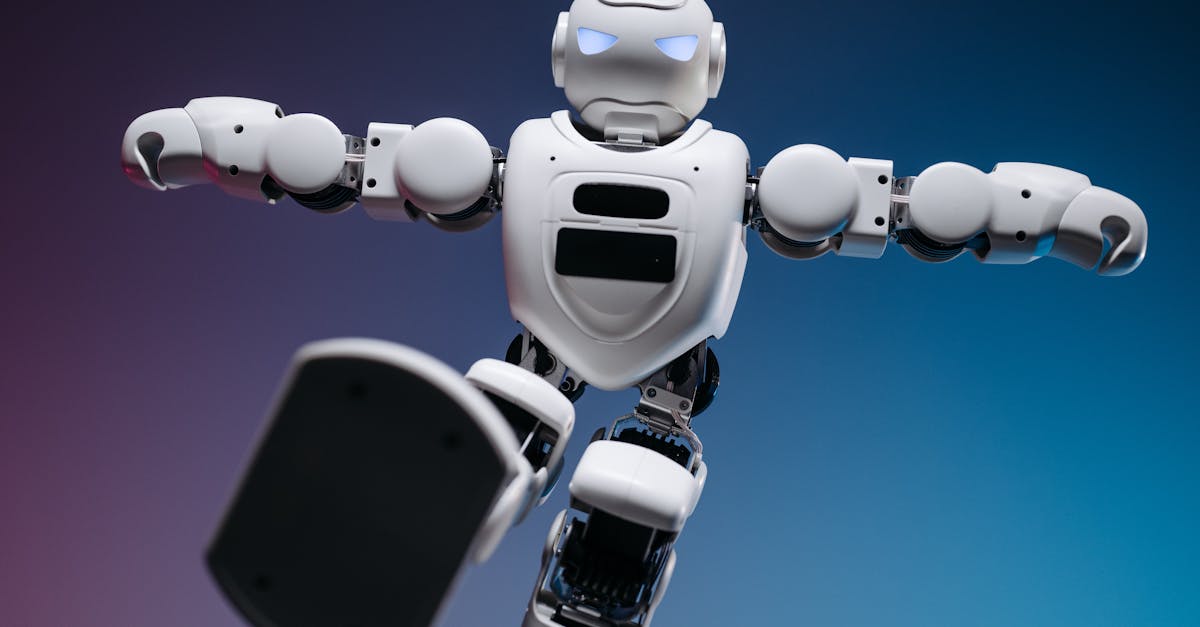
Tesla Motors recently showcased the Optimus Gen 2 humanoid robot at its annual AI Day event, marking a significant leap in autonomous mobility and dexterity. The new model demonstrates improved walking speed and reduced reliance on external power sources compared to its predecessor. The reveal has sparked intense interest among global manufacturers, particularly in India's rapidly expanding automotive sector. Elon Musk stated the robot can now walk at speeds up to 8 km/h, a notable increase from the Gen 1 prototype.
Technical Advancements in Mobility
The Gen 2 unit features a new actuator system that allows for smoother movement and faster response times. The system utilizes advanced computer vision to navigate complex factory floors without pre-mapping. This capability is crucial for industries requiring dynamic interaction with human workers. The robot is now powered by an all-electric system, allowing for a full operational shift of up to 10 hours without charging. These technical specifications position the device as a viable solution for high-volume manufacturing environments.
Pricing and Market Accessibility
A major factor driving global interest is the projected manufacturing cost. Musk targets a price point of approximately $20,000 per unit for early adopters. For the Indian market, where labor costs remain competitive but are rising, this pricing could redefine automation economics. If the target holds, Indian manufacturers could deploy humanoids for repetitive tasks while maintaining a lower total cost of ownership than traditional robotic arms. The Production Linked Incentive (PLI) scheme in India could further subsidize the import and assembly of such advanced hardware.
India Manufacturing Sector Readiness
Major Indian automotive giants, including Tata Motors and Maruti Suzuki, have expressed interest in humanoid integration for assembly lines. The humanoid robot's ability to handle delicate components makes it suitable for vehicle assembly. While regulatory frameworks in India are still evolving regarding workforce displacement, the technical readiness is high. Analysts suggest that if Tesla enters the Indian market, it could accelerate the adoption of humanoid robots across South Asia. Supply chain localization is expected to be a key priority for the company to reduce import duties and align with Make in India initiatives.
Mass production is expected to begin in 2025, with pilot programs potentially launching in Indian industrial zones by late next year. This development marks a pivotal moment for the humanoid robotics sector in India, bridging the gap between advanced automation and domestic manufacturing needs.
More in Reviews & Opinion