Tesla Unveils Optimus Gen 2 With Enhanced Dexterity Ahead of India Market Entry - RobotWale News

Tesla Unveils Optimus Gen 2 at AI Day
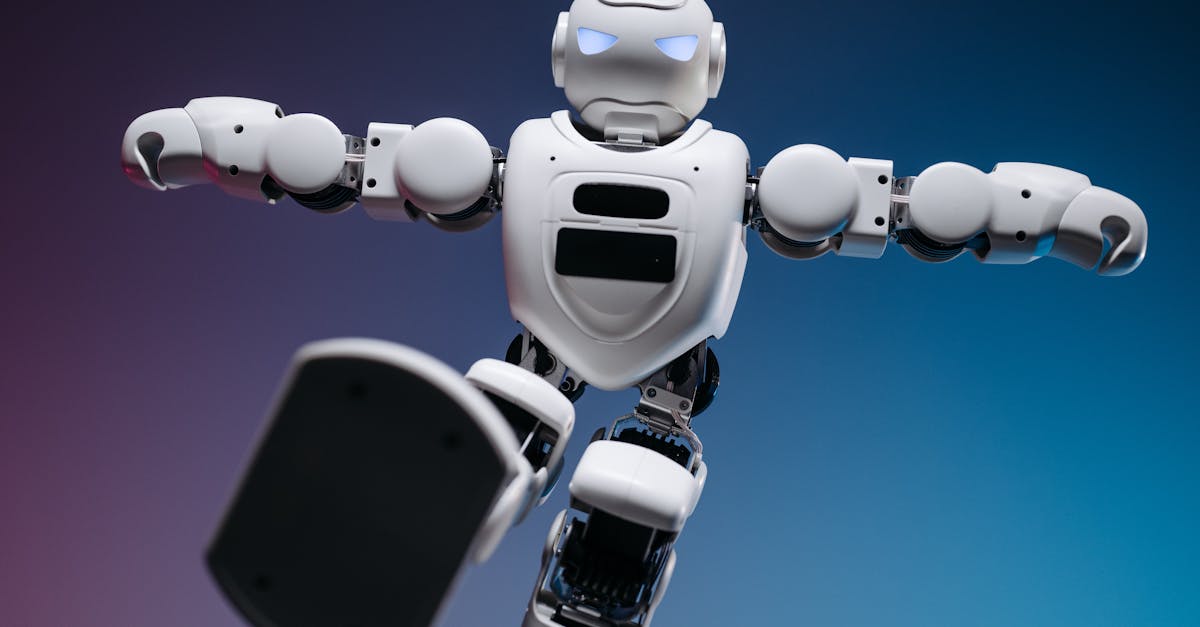
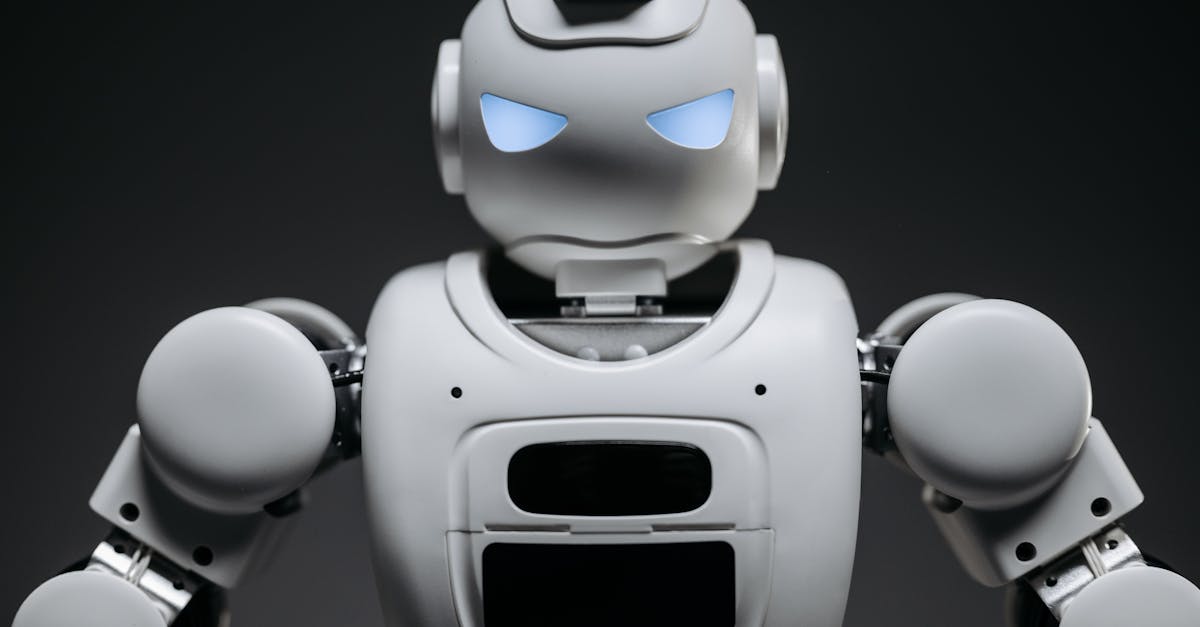
Tesla has officially revealed the second generation of its Optimus humanoid robot during its annual AI Day event in Hawthorne, California. The demonstration highlighted significant improvements in hand dexterity, allowing the robot to handle delicate objects like eggs and grapes without damage. This marks a crucial leap from the Gen 1 prototype, which was primarily focused on locomotion and basic walking capabilities. The event underscored Tesla’s commitment to solving the problem of general-purpose robotics within the next few years.
Technical Specifications and Performance
The Optimus Gen 2 boasts a new actuator design that enables faster walking speeds and improved balance on uneven terrain. Battery life has been extended to support longer operational shifts, a key requirement for industrial deployment in manufacturing plants. While Tesla has not confirmed a mass production date, Elon Musk indicated that limited units could be available for internal use by the end of the year. The robot’s neural network has also been updated to process visual data faster, allowing for better navigation in dynamic environments.
India Market Relevance and Pricing
For India, the Optimus Gen 2 represents a potential shift in the automation landscape. Estimated pricing remains around $20,000 to $30,000, though local taxes and import duties could raise the final cost significantly. Indian manufacturers in hubs like Chennai and Pune are already exploring partnerships to assemble similar models domestically to bypass high import tariffs. This aligns with the government’s push for “atmanirbhar” or self-reliant manufacturing in high-tech sectors.
The Indian government’s production-linked incentive (PLI) scheme for advanced robotics may soon extend to humanoid units. Industry experts suggest that if Tesla or competitors like Figure AI enter the Indian market, localization will be essential to compete with labor costs. The National Robotics Mission is expected to provide clarity on subsidies for such high-value automation hardware.
Impact on Automation Sector
With India aiming to become a global manufacturing hub, humanoid robots could play a pivotal role in the automotive and electronics sectors. The Optimus Gen 2’s ability to perform complex tasks makes it a viable competitor to traditional industrial arms. However, regulatory clarity on liability and safety remains a challenge for widespread adoption in India. Safety standards from the Bureau of Indian Standards (BIS) will need to be adapted for general-purpose humanoid units to ensure worker safety in mixed environments.
More in Reviews & Opinion