Unitree G1 Humanoid Launches at $9,999: Implications for India's Robotics Sector - RobotWale News
Unitree Unveils G1 at Disruptive Price Point
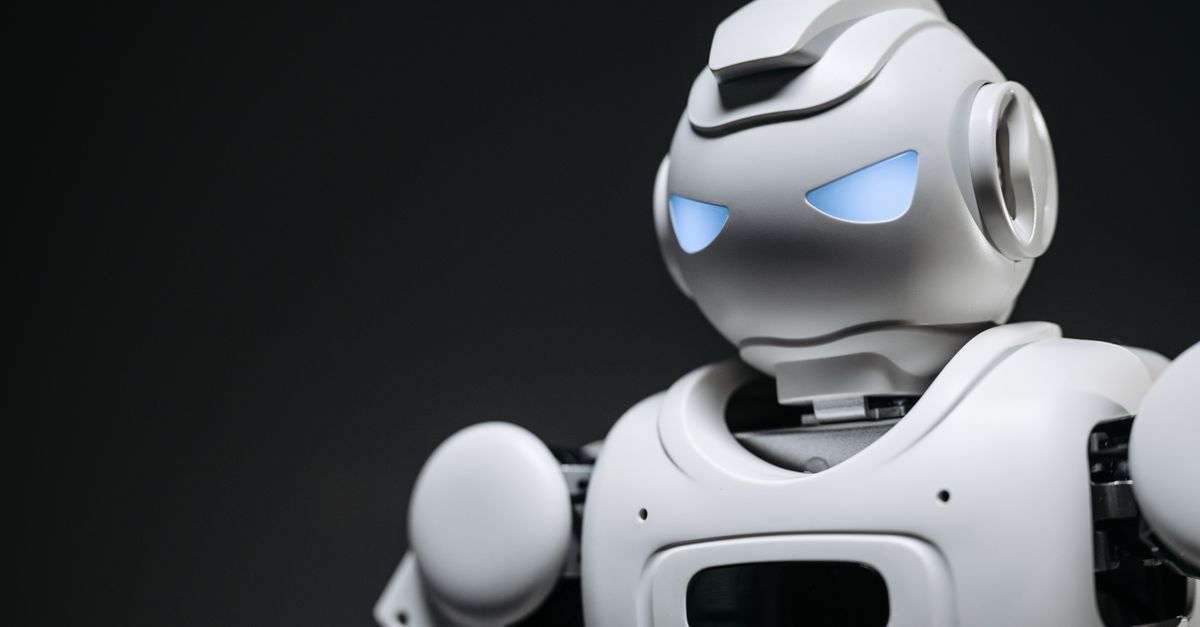
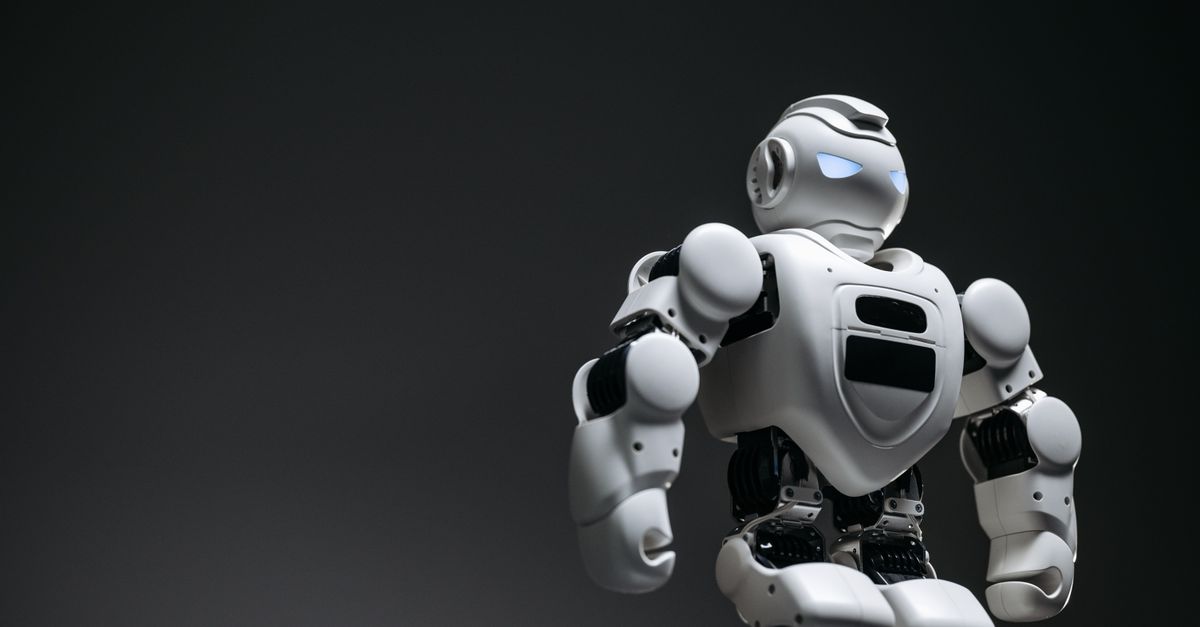
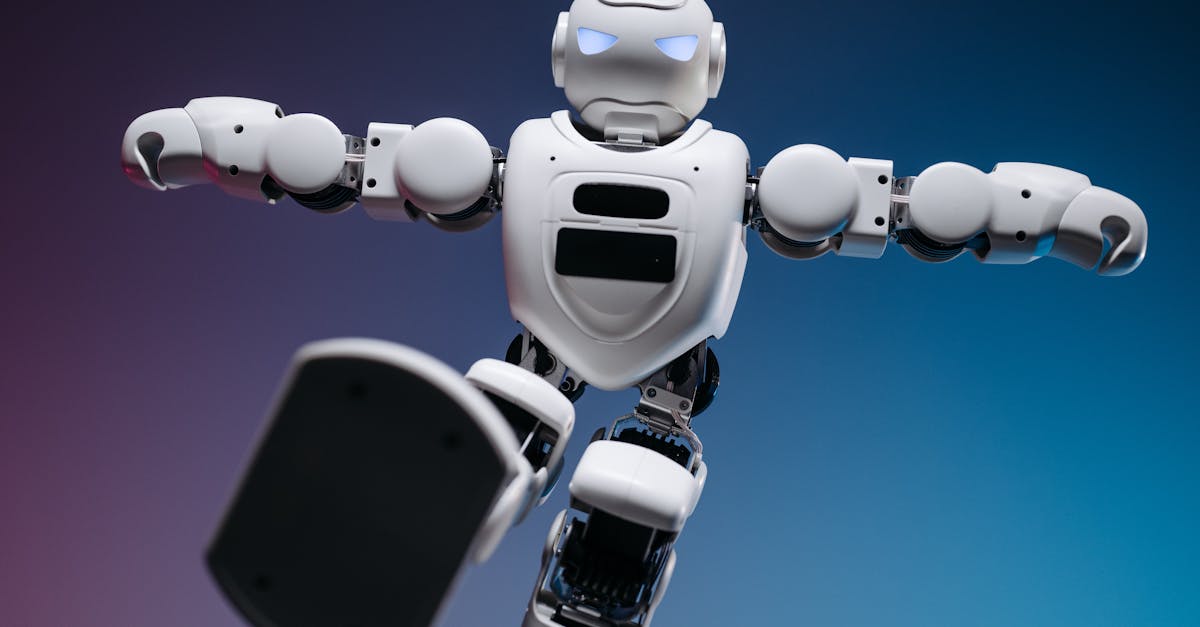
Unitree Robotics has officially announced the G1, a high-performance humanoid robot priced at $9,999. The launch represents a strategic move to democratize humanoid access, undercutting competitors like Tesla's Optimus and Boston Dynamics' Atlas. The announcement establishes a new benchmark for affordability in the bipedal robotics sector, signaling a potential shift in global supply chains and raising the bar for cost-competitive automation.
Technical Specifications and Capabilities
The G1 stands 130cm tall and weighs 47kg, featuring a 43-degree-of-freedom actuation system. It can run at speeds up to 20km/h and perform dynamic maneuvers such as backflips. The robot utilizes a custom control architecture allowing for autonomous operation for approximately four hours. Unitree emphasizes the G1's suitability for manipulation tasks in unstructured environments, targeting logistics and manufacturing applications. The unit runs on a proprietary software stack that supports open-source integration, a factor critical for Indian developers who rely on ROS2 frameworks for rapid prototyping.
India Relevance and Pricing Analysis
For the Indian market, the $9,999 price tag translates to approximately ₹8.3 lakhs. This is a fraction of the cost of previous humanoid generations, which often exceeded ₹50 lakhs. While Unitree has not yet confirmed official distribution channels in India, the aggressive pricing is expected to drive interest from Indian research institutions, universities, and automation startups. Domestic players like Moonwalk Robotics and Embodied AI may face pressure to optimize their supply chains to remain competitive. The low entry point raises immediate questions about import duties and total cost of ownership for Indian entities procuring these systems.
Market Outlook for Indian Integrators
India's position as a global manufacturing hub makes it a prime target for humanoid deployment. The G1's pricing could lower the barrier to entry for small and medium enterprises (SMEs) in states like Tamil Nadu and Maharashtra, which are already investing in robotics infrastructure. Local component suppliers may find opportunities to partner with integrators to reduce dependency on imported parts. In contrast, premium humanoids available in India today often cost upwards of $150,000, limiting adoption to large corporations. The G1's entry forces a re-evaluation of ROI calculations for Indian businesses. If reliability metrics match the specifications, the total cost of ownership could become viable for repetitive tasks in assembly lines and last-mile logistics across South Asia.
More in Reviews & Opinion