Tesla Unveils Optimus Gen 3 Capabilities Ahead of Indian Pilot Programs - RobotWale News
Tesla Unveils Optimus Gen 3 Capabilities Ahead of Indian Pilot Programs
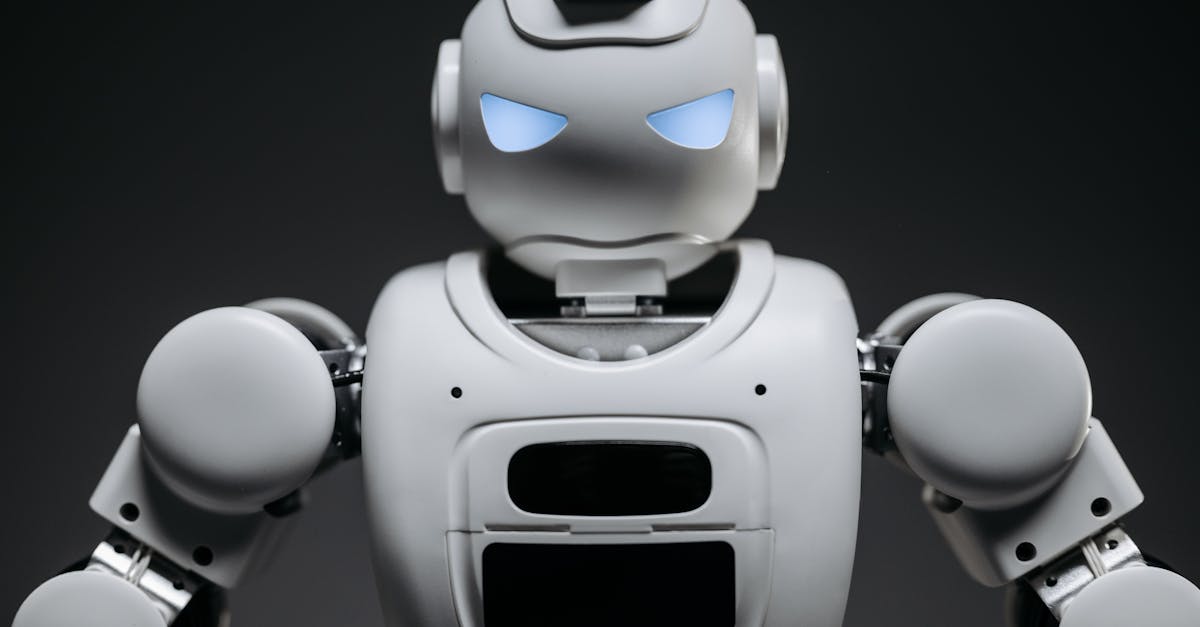
Tesla officially shared updated performance metrics for its Optimus Gen 3 humanoid robot during a technical briefing on October 12, 2024. The company highlighted enhanced dexterity in fine-motor tasks, a 40 percent improvement in battery efficiency, and new tactile feedback systems designed for complex assembly lines. Alongside the technical disclosure, Tesla confirmed that pilot deployments will begin in Q1 2025, with priority access granted to automotive and electronics manufacturers in India.
Performance Evaluation & Industrial Readiness
From a review standpoint, the Gen 3 iteration demonstrates a clear shift from prototype validation to operational reliability. The updated actuators allow for sustained load-bearing at 20 kilograms without thermal throttling, a critical requirement for Indian factory floors that often operate in high ambient temperatures. The robot’s vision pipeline now processes 120 frames per second, enabling real-time object recognition in cluttered workspaces. While the motion planning remains slightly conservative compared to agile logistics bots, the trade-off favors safety and precision in shared human environments.
Indian Market Pricing & Deployment Outlook
Tesla has set a pilot program price point of ₹18.5 lakhs per unit for Indian industrial partners, including full integration support, localized safety certifications, and on-site training. This pricing positions the Gen 3 significantly below traditional collaborative robotics cells that require extensive programming and physical guarding. Indian manufacturers are expected to deploy the units in battery pack assembly, electronics testing, and light material handling. Local engineering firms are already preparing interface modules to connect the robot with existing ERP and warehouse management systems.
Expert Perspective & Industry Impact
The entry of a globally scaled humanoid platform into India’s manufacturing ecosystem signals a maturation phase for the industry. While the ₹18.5 lakh pilot cost remains a barrier for small and medium enterprises, the long-term cost per hour of operation could undercut specialized automation lines within three years. The real test will be maintenance infrastructure and software localization. If Tesla and its Indian partners can deliver rapid firmware updates and regional support hubs, humanoid robots could transition from controlled demos to daily factory work. RobotWale will continue monitoring deployment data and performance benchmarks as the pilot phase expands.
More in Reviews & Opinion