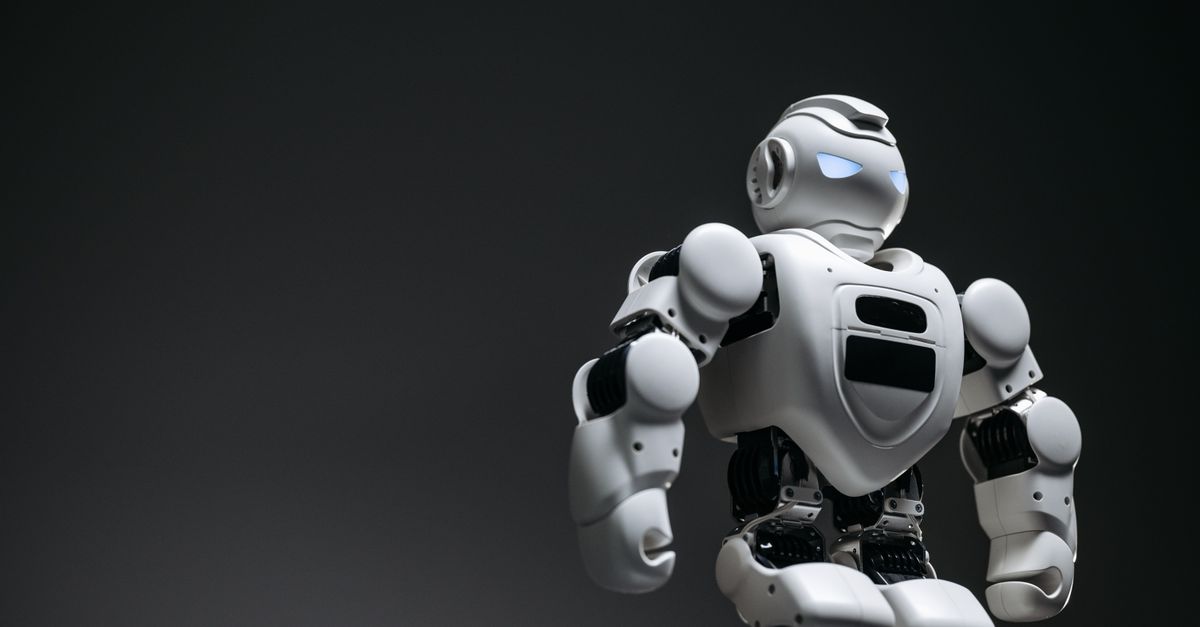
The Iron Triangle of Automation: A Deep Dive into ABB, KUKA, and Fanuc
The Iron Triangle of Automation: A Deep Dive into ABB, KUKA, and Fanuc
In the current landscape of robotics news, headlines are frequently dominated by the promise of humanoid robots capable of walking, grasping, and eventually replacing human labor in general tasks. While these concepts garner significant venture capital and media attention, the backbone of the global manufacturing economy remains anchored in a much older, more proven lineage. This lineage consists of ABB, KUKA, and Fanuc. Often referred to as the "Big Three" of industrial robotics, these companies represent the shipping hardware tier where deployment happens, not the announcement tier where concepts live.
For Indian manufacturers and system integrators, the decision to automate often comes down to reliability, service availability, and total cost of ownership (TCO). This article evaluates the current state of these three giants, focusing on their specific product lines, availability within the Indian market, and realistic pricing expectations based on landed costs and official dealer estimates.
ABB Robotics: Precision and Flexibility
Swiss-Swedish giant ABB Robotics has maintained a dominant position in the global market for decades. Their strategy relies heavily on a broad portfolio that ranges from light pick-and-place units to heavy payload manipulators used in automotive assembly lines. Unlike many newer entrants that focus on a single niche, ABB offers a complete ecosystem spanning collaborative robots (cOBots), high-speed SCARA arms, and six-axis articulated robots.
Shipping Hardware and Key Models
When assessing ABB's current shipping capabilities, the IRB 1200 series stands out for its versatility in electronics assembly. With a payload of 3kg to 6kg and a reach of 580mm to 800mm, it is a staple in Indian electronics manufacturing hubs like Bangalore and Noida. However, the true power of ABB lies in the IRB 6600 and IRB 6700 series.
The IRB 6600 series, particularly the IRB 6600-30/40/60/100/140/165, is designed for heavy payload tasks. The IRB 6700 series is optimized for palletizing and machine tending, offering reach distances up to 2900mm. These are not speculative units; they are currently installed in factories across India, including major automotive plants in Chennai and Pune.
India Availability and Pricing
ABB maintains a direct presence in India with offices in Mumbai, Bangalore, and Pune. They operate through a network of authorized system integrators who handle the final integration of the arm, controller, and safety fencing.
Regarding pricing, direct manufacturer quotes are subject to fluctuation based on exchange rates and import duties. For a standard IRB 1200 with controller and base, the landed cost in India typically ranges between INR 45 lakhs and INR 60 lakhs. Heavy payload models like the IRB 6700 can command prices between INR 1.2 crores and INR 1.8 crores depending on the reach and payload configuration. These figures include the robot, the IRC5 or Omnicontrol controller, and the teach pendant.
KUKA: Heavy Lifting and Flexibility
KUKA, originally German and now majority-owned by the Chinese conglomerate Midea Group, has historically been the heavyweight champion of the industrial sector. Their heritage in automotive welding and press tending remains robust, even as they expand into logistics and general automation. KUKA's philosophy centers on high payload capacity and robust engineering, often prioritizing durability over speed in specific segments.
Shipping Hardware and Key Models
The KR QUANTEC series is the flagship for heavy payload applications. The KR QUANTEC iC series, for example, offers payloads up to 1000kg with a reach of up to 2800mm. These are used in steel handling, heavy machinery assembly, and automotive body-in-white applications. For lighter applications, the KUKA KR 16 and KR 21 series provide a balance of speed and payload, suitable for general assembly lines.
Recent developments include the LBR iiwa (Intelligent Industrial Robot for Collaborative Work), which allows for direct human interaction. However, for the purpose of high-volume manufacturing in India, the KR series remains the primary revenue driver. These units are widely deployed in the automotive clusters in Gujarat and Tamil Nadu.
India Availability and Pricing
KUKA India operates with a significant footprint, particularly in industrial zones. They maintain their own service centers in Mumbai, Delhi, and Chennai. The company has emphasized localized manufacturing components to mitigate import tariffs, though the core actuators and gearboxes remain imported.
For the Indian market, a standard KUKA 6-axis arm with a 6kg payload starts around INR 50 lakhs. Moving up the chain to the KR QUANTEC series, a 100kg payload model typically lands between INR 1.5 crores and INR 2.5 crores. It is important to note that KUKA pricing often includes the KRC4 or KRC5 control system, which is proprietary and requires certified maintenance contracts. The total cost of ownership includes annual service contracts, which can add 10% to 15% of the initial hardware cost annually.
Fanuc: The Blue Standard for Reliability
Fanuc, the Japanese powerhouse, is synonymous with reliability. Their philosophy is often described as "no human intervention needed." The blue controllers and the robustness of their robots have made them the default choice for high-volume, high-speed manufacturing environments. Fanuc does not typically chase the latest hype cycles; they focus on uptime and cycle time reduction.
Shipping Hardware and Key Models
The Fanuc M-Series is the workhorse of the industry. The M-710 series is the most common sight in Indian manufacturing facilities, handling payloads from 10kg to 200kg. The M-2000 series handles payloads up to 200kg with extended reach, often used in die casting and heavy material handling.
Fanuc is also a leader in motion control. Their R-J3iB and R-J3iC controllers are known for their longevity. Unlike some competitors that frequently update interfaces, Fanuc maintains backward compatibility, allowing factories to run robots for 15+ years without major controller upgrades. This consistency is a key selling point for Indian OEMs who prioritize long-term asset life over feature creep.
India Availability and Pricing
Fanuc India, headquartered in Gurgaon, has a massive dealer network covering over 50 cities. They are the preferred vendor for the Indian automotive sector, particularly in the Maruti Suzuki and Hyundai clusters. Their presence extends to the solar, textile, and food processing sectors as well.
Pricing for a standard Fanuc M-710iC model ranges from INR 55 lakhs to INR 70 lakhs depending on the reach and payload. For the heavy-duty M-2000 series, costs range from INR 1.4 crores to INR 2.2 crores. Fanuc pricing is generally stable, reflecting their strong positioning and the high cost of maintaining their proprietary controller ecosystem. Service contracts are critical here, as the precision of the servo motors requires specialized calibration.
The Indian Market Reality: Hardware vs. Hype
While humanoid robotics companies announce partnerships and pilot programs, the ABB, KUKA, and Fanuc ecosystem operates on a different timeline. Their success in India is defined by the ability to deliver hardware that meets specific industrial standards within the constraints of Indian import regulations and infrastructure.
Import Duties and Landed Costs
India's customs duty structure on industrial robotics has evolved. While basic robotics components have seen some tariff reductions to encourage local manufacturing, complete units often attract duties ranging from 10% to 15% depending on the classification. This significantly impacts the landed cost. For example, a robot priced at $30,000 USD from ABB might cost closer to INR 28 lakhs upon arrival in India after accounting for GST and customs.
Service Networks and Training
Availability is not just about shipping a box to a factory. It is about the ability to service that machine. ABB, KUKA, and Fanuc have established training academies in India. ABB's center in Pune and Fanuc's facility in Gurgaon provide certified training for system integrators. This ecosystem ensures that when a robot goes down, there is a certified technician capable of restoring it. This is a capability that new humanoid startups often struggle to demonstrate at scale.
Total Cost of Ownership (TCO)
For Indian manufacturers, the decision to automate is rarely just about the purchase price. It is about the TCO. The Big Three offer predictable maintenance schedules. A standard 6-axis arm typically requires lubrication and inspection every 10,000 operating hours. ABB and Fanuc provide clear service manuals for this. In contrast, newer collaborative arms often require more frequent recalibration due to their force-sensitive designs.
Conclusion: The Unshakable Foundation
In the race for automation dominance, the "Big Three" have not lost their footing. While they do not make the headlines associated with humanoid droids, they are the reason industrial output remains stable. ABB, KUKA, and Fanuc represent the shipping hardware tier where deployment happens.
- ABB: Best for versatility and flexible manufacturing lines (IRB Series).
- KUKA: Best for heavy payload and automotive welding (KR Series).
- Fanuc: Best for high-speed, high-reliability environments (M Series).
For any Indian manufacturer considering automation in 2024, the data suggests that these three remain the safest bet for ROI. Their hardware is not speculative; it is installed, running, and servicing the global economy. While humanoid concepts promise a future of general labor, the industrial reality is currently being written by the iron arms of ABB, KUKA, and Fanuc.
References
1. ABB Robotics Official Website. (n.d.). ABB Robotics Product Catalog. Retrieved from https://www.abb.com/robotics
2. KUKA Systems Official Website. (n.d.). KUKA Industrial Robots. Retrieved from https://www.kuka.com/en-in
3. Fanuc India Official Page. (n.d.). Fanuc Robotics Solutions. Retrieved from https://www.fanuc.com/india
4. Robotics Business Review Industry Reports. (2023). Global Industrial Robotics Market Analysis. Retrieved from https://www.roboticsbusinessreview.com
✓ Key takeaways
- •Hands-on view of The Iron Triangle of Automation: A Deep Dive into ABB, KUKA, and Fanuc inside our ABB, KUKA & Fanuc library.
- •Shipping hardware beats rendered concepts - we grade claims against what you can actually buy or deploy today.
- •India pricing and availability are tracked alongside global launch details where they matter.
References
Related articles
More in ABB, KUKA & Fanuc →