Apptronik Apollo: Shipping Logistics Hardware or Conceptual Promise?
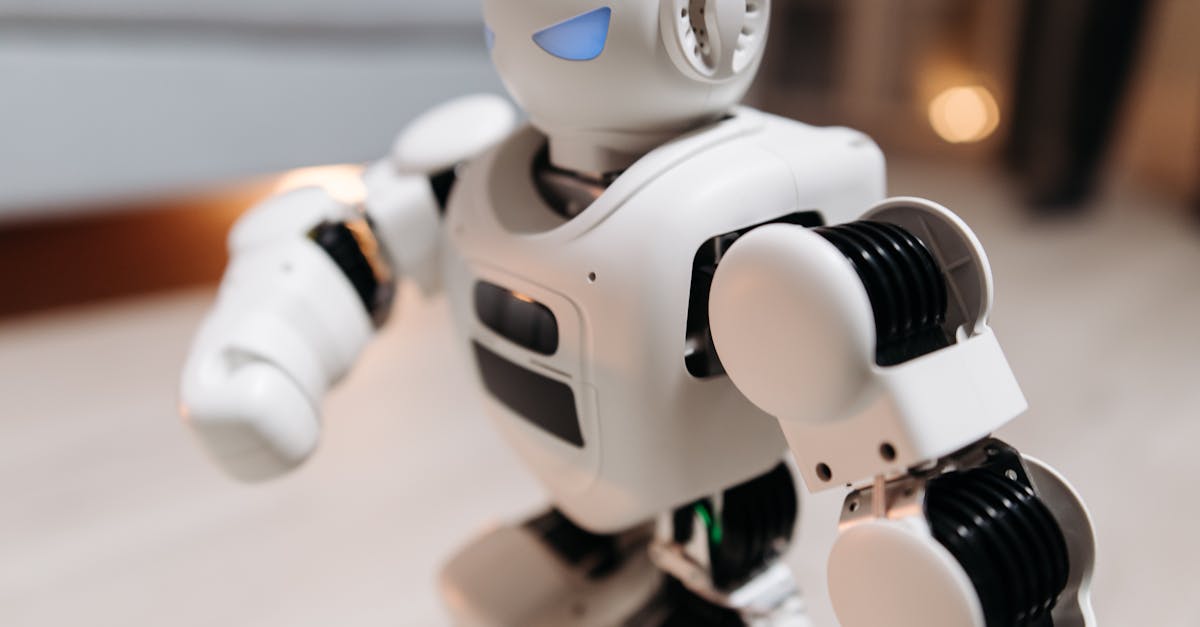
The Modular Humanoid in the Logistics Sector
Apptronik’s Apollo stands as one of the most visible candidates in the current wave of humanoid robotics, specifically targeting the high-volume logistics and warehousing sectors. Unlike general-purpose consumer robots or research prototypes stuck in university labs, Apollo has secured early commercial validation through a strategic partnership with FedEx. However, as RobotWale evaluates the device, we must distinguish between the hardware that is currently shipping to pilot sites and the broader autonomy roadmap often presented in press releases.
The Apollo is not designed for retail interaction or home assistance. Its primary function is industrial material handling. This includes tasks such as palletizing, sorting, and loading trucks. The design philosophy centers on modularity, allowing the robot to adapt to different payloads and physical environments without requiring a complete redesign. This modularity is critical for logistics facilities where the physical layout of a warehouse might change seasonally.
Technical Specifications and Hardware Reality
Physical Capabilities
According to publicly available documentation and early demo footage, Apollo is designed to operate in human environments. The height is typically reported to be around 1.8 meters (6 feet), positioning it to reach standard shelving and workstations. The upper body features a dexterous manipulator system intended to handle standard boxes and packages.
While specific payload ratings can vary based on the end-effector configuration, the baseline capability is generally cited in the range of 20 to 40 kilograms (45 to 90 pounds). This is sufficient for many warehouse tasks but falls short of heavy industrial robotics used in automotive manufacturing. The robot’s lower body is engineered for stability and locomotion on warehouse flooring, though it remains primarily teleoperated or semi-autonomous in early deployment phases.
Control Architecture and Autonomy
A critical distinction for buyers is the level of autonomy. As of the latest public updates, Apollo operates largely via teleoperation or high-level autonomy with human-in-the-loop oversight. This means a remote operator can guide the robot through complex tasks, with the robot executing the physical movements.
The claim of full autonomy is part of the long-term roadmap. The hardware supports the sensors required for this transition—likely including depth cameras and LiDAR—but the software stack for fully unattended operation in dynamic warehouse environments is still in the pilot phase. This is a crucial safety consideration. In a warehouse with high-speed forklifts and moving inventory, fully autonomous navigation requires extensive validation before it can be deployed at scale.
The Logistics Imperative: Why Apollo?
The logistics sector faces a chronic labor shortage and high injury rates from repetitive strain. Apollo aims to address the physical demand side of this equation. The robot is not replacing the entire workforce but is intended to handle the "dirty, dull, and dangerous" tasks.
FedEx Partnership and Pilot Deployment
The strongest indicator of Apollo’s maturity is its deployment with FedEx. Announced in late 2023 and into 2024, this partnership represents a significant milestone. It moves Apollo from the lab to the warehouse floor. The pilot program focuses on sorting and delivery operations. Reports indicate that the robots are being tested in real-world conditions to validate their ability to handle packages without damaging them and to navigate obstacles.
This partnership serves as a validation of the hardware’s durability. If the unit is deployed in FedEx facilities, it implies that the manufacturer has met certain reliability thresholds. However, pilot deployments often involve a small number of units. This is not yet mass production.
Market Availability and Pricing
The Commercial Reality
Apptronik has not released a definitive public price sheet for the Apollo robot. In the current humanoid robotics market, pricing for enterprise-grade units typically falls between $100,000 and $200,000 USD per unit. This estimate includes the robot hardware, the base station, and the initial software license.
For the Indian market, this translates to a significantly higher landed cost. Importing high-tech robotics into India attracts Goods and Services Tax (GST), customs duties, and potentially higher costs due to the lack of local assembly for the Apollo.
India Availability and Estimated Costs
As of early 2024, Apptronik does not have a direct Indian subsidiary offering off-the-shelf purchases. Indian logistics companies interested in Apollo would likely need to engage through a global distributor or a system integrator. Based on industry averages for similar humanoid platforms, the landed cost in India could approximate INR 1.5 to 2.5 Crores ($180,000 to $300,000 USD) per unit. This estimate includes import duties on high-value electronics and the cost of installation.
This pricing places Apollo in the category of capital expenditure (CapEx) rather than operational expenditure (OpEx). It requires a business case that demonstrates significant ROI through labor reduction or increased throughput. For Indian warehouses, where labor costs are relatively low compared to the US, the ROI calculation is tighter than in Western markets.
Critical Assessment and Future Outlook
Apptronik Apollo represents a pragmatic approach to the humanoid robotics sector. By focusing on logistics rather than general-purpose domestic service, it aligns its hardware with specific industrial needs. However, the path from pilot to production volume is fraught with challenges.
Reliability and Maintenance
Industrial robots require uptime. The Apollo’s modular design is a double-edged sword; while it allows for customization, it introduces more points of failure. Maintenance protocols must be established locally for Indian logistics centers. If a specific actuator fails, the spare parts supply chain from the US manufacturer must be robust.
The Roadmap
The company states a goal of full autonomy within the next few years. This will depend on advancements in AI vision and battery technology. Until that transition is complete, the reliance on teleoperation limits the scalability of the solution. A fleet of 100 robots requires 100 operators or a sophisticated switching system. If the switching system is not efficient, the labor savings diminish.
Conclusion
The Apptronik Apollo is a serious contender in the logistics humanoid space, validated by the FedEx partnership. It is not a concept rendered in 3D video but a physical machine currently undergoing real-world testing. For Indian logistics providers, the technology is available but expensive and logistically complex to import. We grade this hardware as "Pilot/Early Shipping" rather than "Mass Production Ready." Buyers should prioritize pilot deployments before committing to large-scale procurement.
References
- Apptronik Official Website and Press Releases.
- FedEx Corporation Press Release regarding Apollo partnership.
- Independent industry reporting on humanoid robotics pricing and logistics.
✓ Key takeaways
- •Hands-on view of Apptronik Apollo: Shipping Logistics Hardware or Conceptual Promise inside our Apptronik Apollo library.
- •Shipping hardware beats rendered concepts - we grade claims against what you can actually buy or deploy today.
- •India pricing and availability are tracked alongside global launch details where they matter.
References
Related articles
More in Apptronik Apollo →