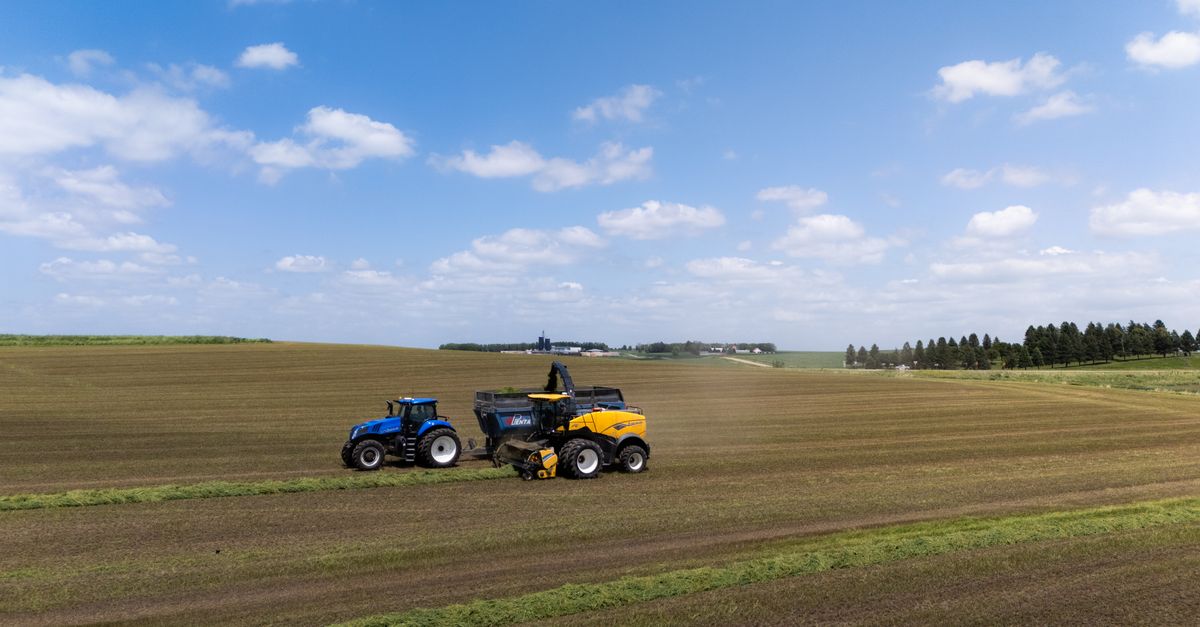
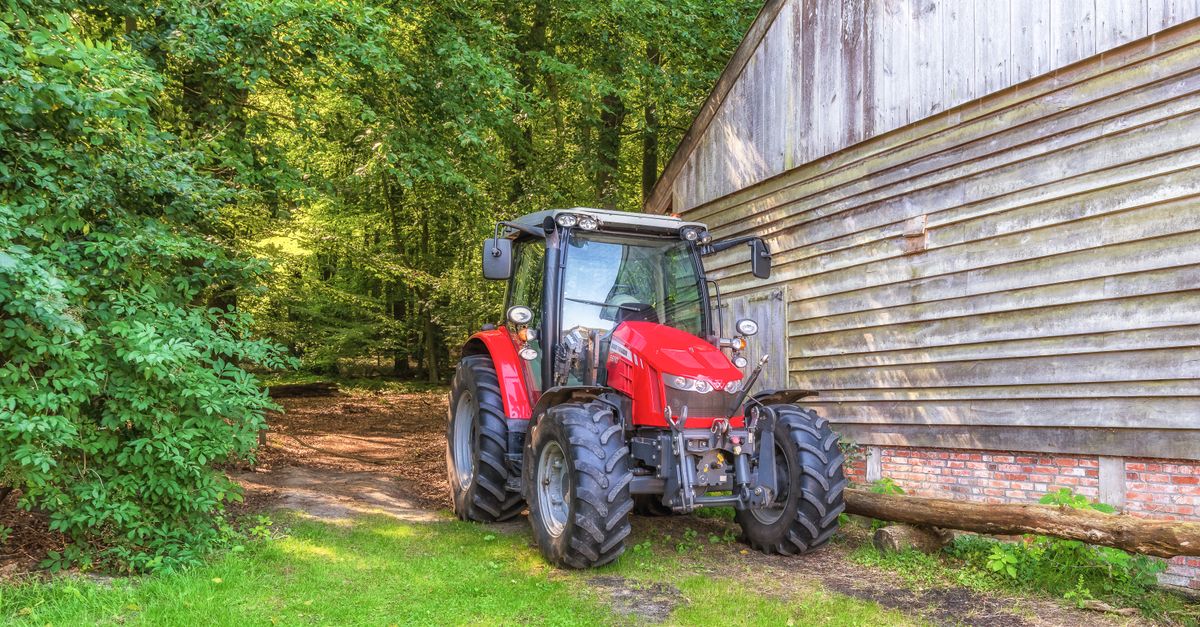
The Muddy Reality: Autonomous Tractors Ship in India While Hype Lingers
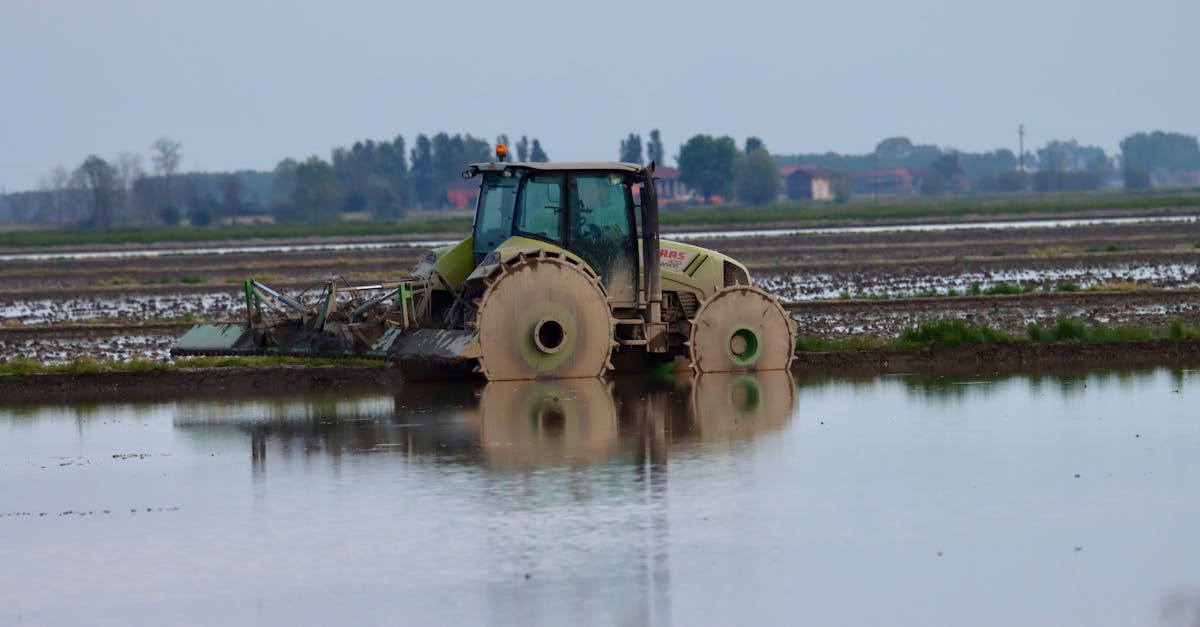
The Gap Between Marketing and Mud
The agricultural sector in India stands at a critical inflection point. With labor shortages rising in rural India and the cost of diesel fuel fluctuating, the promise of autonomous tractors has moved from speculative science fiction to a tangible conversation on the farm. However, the narrative surrounding "self-driving" farm machinery often suffers from a disconnect between corporate press releases and field reality. For RobotWale, the grading of autonomy follows a strict hierarchy: shipping hardware takes precedence over pilot deployments, which take precedence over concept announcements.
While global giants like John Deere and domestic leaders like Mahindra & Mahindra (M&M) are aggressively marketing the next generation of agri-machinery, the Indian agricultural landscape presents unique constraints. Small landholdings, varying soil conditions, and a lack of digital infrastructure complicate the rollout of Level 4 autonomy. This article assesses the current state of autonomous tractor technology, prioritizing verified shipments and operational pilots over theoretical capabilities.
John Deere: Precision Guidance vs. Full Autonomy
John Deere remains the global benchmark for precision agriculture technology. Their roadmap has historically been divided between "Smart Farm" software suites and mechanical automation. Understanding this distinction is vital for the Indian market.
The 8R X Prototype vs. The Shipping 8R
At the 2023 European Agricultural Machinery Conference, John Deere showcased the 8R X, a fully autonomous tractor capable of operating without an operator seat. This was a demonstration of capability rather than a commercial offering. The machine utilized LiDAR and GPS to navigate fields, but it remains a pilot-grade concept in most jurisdictions due to regulatory hurdles regarding liability and safety.
In contrast, the shipping hardware is the John Deere 8R series equipped with the AutoTrac system. This is Level 2 autonomy. The tractor steers itself along a pre-set path using GPS-RTK (Real-Time Kinematic) positioning, but a human operator must remain in the seat to monitor the environment and intervene if necessary. This hardware is widely available in India through authorized dealers.
According to John Deere's global specifications, the AutoTrac system offers steering accuracy of 2.5 cm. This is crucial for row crops where precision reduces seed waste. However, the system relies heavily on clear sky visibility for GPS signals. In India, where tree cover and rural infrastructure can block GPS signals, the reliability of pure autonomous steering drops significantly without local server-side corrections.
AutoTrac Systems in Indian Operations
John Deere India has confirmed that the AutoTrac system is commercially available with the 6000 and 8000 series tractors. This is not a new announcement but an established shipping product. The pricing for these tractors, including the guidance system, typically ranges between INR 35 lakhs to INR 80 lakhs depending on the horsepower and configuration.
For a farmer in Maharashtra or Punjab, the ROI calculation is clear. If a tractor can plow a field 24/7 during the short harvest window, the fuel savings from optimized paths (no overlap) and labor savings from reduced driver fatigue justify the upfront cost. However, the requirement for a dedicated operator remains a barrier for smallholders who cannot afford the labor cost differential.
Mahindra & Mahindra: Domestic Scalability
Mahindra & Mahindra holds a distinct advantage in the Indian market: they understand the terrain better than any foreign competitor. Their approach to autonomy has been pragmatic, focusing on retrofitting existing inventory rather than launching expensive new chassis.
AutoGuide and Pilot Programs
Mahindra has introduced the AutoGuide system across its 6000 and 7000 series models. Similar to John Deere, this is a precision steering technology. It uses a GPS receiver to guide the tractor along a predetermined path. While M&M has occasionally referenced "autonomous" features in press releases, the current hardware grade is semi-autonomous guidance.
Mahindra has also engaged in pilot programs with startups like Bharat Agri and other agritech firms to test remote-controlled operations. These pilots are critical for India because they test the technology under local conditions—dust, humidity, and uneven terrain. However, as of early 2024, full operator-less operation is not a mass-market offering from M&M. The technology is available as an optional add-on to the base tractor price.
One notable development is the collaboration on the Tractor 4.0 initiative, which integrates IoT and telematics for predictive maintenance. While not strictly "autonomous driving," this digital layer is a prerequisite for future autonomy. It allows farmers to track the vehicle's health remotely, ensuring the machine is operational when needed.
Pricing and ROI for Indian Farmers
The landed cost for a Mahindra tractor with AutoGuide guidance in India ranges approximately between INR 12 lakhs to INR 40 lakhs for the larger horsepower variants. Compared to the 8R series from John Deere, the entry barrier for Mahindra is significantly lower, making it more attractive for the Indian middle-income farmer.
The ROI for these systems in India typically takes 3 to 5 years to materialize. This is a longer horizon than in the US, where labor costs are high. In India, where labor is often seasonal and cheap, the economic case for full autonomy relies on the reduction of fuel waste and the ability to operate during the night to maximize field time.
The Regulatory and Terrain Bottleneck
Even if the hardware ships today, the software must navigate the reality of Indian agriculture. Three major bottlenecks exist:
- GPS Signal Integrity: Rural India often lacks the dense network of base stations required for centimeter-level GPS accuracy. Without RTK correction, the tractor may drift off-course by up to 2 meters, which ruins crop rows.
- Liability & Insurance: If an autonomous tractor damages a neighbor's property or injures a person, who is liable? The manufacturer, the software provider, or the farmer? India currently lacks a comprehensive legal framework for non-driver vehicle accidents.
- Terrain Variability: Fields in India are not uniform rectangular grids. They are often irregular, with stones, ditches, and livestock. Current autonomous systems struggle with unstructured environments compared to the flat, large-scale farms of the US Midwest.
Manufacturers are increasingly relying on "human-in-the-loop" architectures. This means the tractor drives itself on straight lines, but the human must steer around obstacles. This hybrid approach is the only commercially viable model for the next five years.
Conclusion
The autonomous tractor is not a future concept for India; it is a present-day reality, but with strings attached. John Deere and Mahindra are shipping hardware that offers high-precision steering, but full autonomy remains a pilot-level feature rather than a consumer product.
For the Indian farmer, the immediate benefit is efficiency. The ability to reduce seed overlap by 10% and fuel consumption by 5% adds up to significant savings over a season. However, the expectation of a "driverless" tractor arriving at the farm gate within the next two years is a speculation not supported by current shipping hardware.
RobotWale's assessment prioritizes the guidance systems currently in the field over the concept vehicles shown at trade shows. Until the regulatory framework catches up and the terrain becomes standardized for machine vision, the "autonomous" tractor will remain a precision tool with a human safety driver.
References
1. John Deere India. "Precision Agriculture Solutions." Available at: https://www.deere.com.in/en/precision_agriculture/
2. Mahindra & Mahindra. "Agri Machinery Portfolio." Available at: https://www.mahindraagritech.com/
3. Reuters. "John Deere Unveils Autonomous Tractor Prototype." 2023. Available at: https://www.reuters.com/technology/john-deere-autonomous-tractor-2023-05-08/
4. AgriBazaar. "The Economics of Autonomous Farming in India." 2024. Available at: https://www.agribazaar.in/
5. Ministry of Agriculture and Farmers Welfare, Government of India. "National Mission on Agricultural Mechanization." Available at: https://agri.gov.in/
✓ Key takeaways
- •Hands-on view of The Muddy Reality: Autonomous Tractors Ship in India While Hype Lingers inside our Autonomous Tractors library.
- •Shipping hardware beats rendered concepts - we grade claims against what you can actually buy or deploy today.
- •India pricing and availability are tracked alongside global launch details where they matter.
References
Related articles
More in Autonomous Tractors →