The State of Surgical Robotics: Soft-Tissue Systems in the Global and Indian Market

The Maturity of Soft-Tissue Robotics
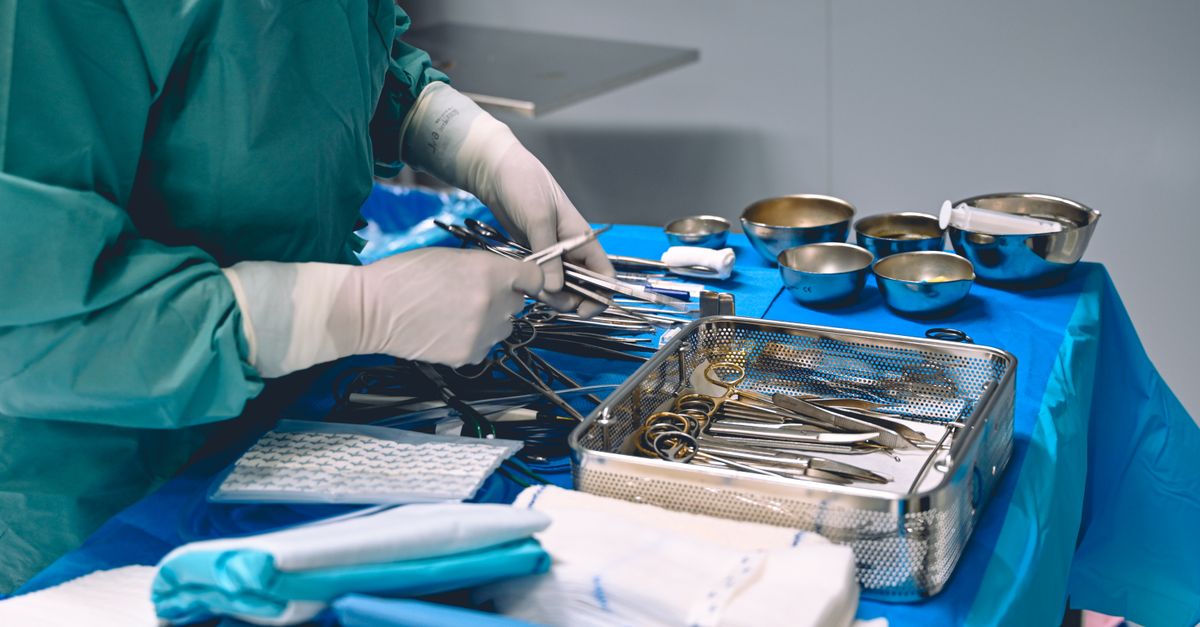
The surgical robotics sector has transitioned from a novelty to a standard tool in advanced operating rooms, yet the reality of deployment remains distinct from marketing narratives. Unlike humanoid robots which promise general-purpose utility, surgical robotics platforms are highly specialized machines designed for one primary function: manipulating soft tissue with high precision. The leading players in this field—Intuitive Surgical, Medtronic, and CMR Surgical—have moved beyond mere announcements to actual hardware shipping and clinical adoption. This article evaluates the current state of these systems, specifically focusing on shipping hardware, pilot deployments, and the economic realities of the Indian market.
The term 'surgical robot' often conflates different levels of automation. True surgical robots, often termed 'master-slave' systems, require a surgeon to operate the console while the machine translates movements into the patient. This distinction separates them from automated assembly robots or the emerging humanoid service bots. For soft-tissue procedures, including urology, gynecology, and general surgery, the mechanical precision of the robot does not replace the surgeon's judgment but augments physical dexterity where human hands cannot easily reach.
Intuitive Surgical: The da Vinci Xi Ecosystem
Intuitive Surgical Inc. remains the dominant force in this category. The da Vinci Xi system is the most widely deployed surgical robot globally, with over 15,000 units installed worldwide as of late 2023. The Xi is a fourth-generation platform featuring a 3D high-definition vision system and EndoWrist instruments that mimic the human hand's range of motion. Unlike previous iterations, the Xi allows for multi-quadrant surgery, where the surgeon can access multiple areas of the patient without repositioning the robotic arms.
In India, the da Vinci Xi is not merely a concept; it is an operational asset in major tertiary care centers. Hospitals such as Apollo Hospitals, Fortis Healthcare, and Medanta have integrated these systems into their urology and cardiac surgical wings. The availability is concentrated in metropolitan hubs due to the high capital expenditure required. According to public procurement data and hospital press releases, the landed cost for a da Vinci Xi system in India typically ranges between INR 12 crore and INR 15 crore ($1.5M to $1.8M USD). This figure includes the console, patient cart, and vision cart, excluding consumable costs per procedure.
Intuitive has also launched the da Vinci XiS, which addresses specific workflow improvements but maintains the same fundamental architecture. While Intuitive continues to release software updates to enhance the user interface, the hardware remains largely stable. This consistency is crucial for hospitals in India, where maintenance infrastructure can be a bottleneck. The system requires specialized biomedical engineering support, often provided by Intuitive's own service teams or authorized local partners.
Medtronic Hugo RFS: A Contender in the Field
Medtronic's Hugo Robot-Assisted Surgery System (RFS) entered the market as a direct competitor to the da Vinci platform. The Hugo RFS received FDA De Novo clearance in 2022 and CE Mark approval. Unlike the da Vinci, which uses a single patient cart for most tasks, the Hugo system utilizes a modular design with separate arms that can be positioned independently. This modularity aims to reduce the footprint of the system in the operating theater.
Regarding shipping and deployment, Medtronic has moved beyond the prototype phase. Pilot programs have been launched in the United States and Europe, with the first commercial units shipping to select centers. In India, Medtronic's presence is significant through its broader medical technology division, but the Hugo RFS is not yet widely available for general procurement. The device is currently in the early deployment stage, with limited pilots in metro regions. Clinicians report that the haptic feedback, or the sense of touch transmitted to the surgeon, remains a key area of development compared to the established da Vinci ecosystem.
The pricing for the Hugo RFS is not publicly disclosed in a standardized manner due to the early stage of commercial rollout. However, based on industry benchmarks, the cost is likely comparable to the da Vinci Xi, potentially ranging between INR 10 crore and INR 14 crore ($1.2M to $1.7M USD). The competitive advantage of Hugo lies in its integration with Medtronic's existing surgical portfolio, such as the da Vinci platform's endoscopic technology, though this integration is still maturing.
CMR Surgical Versius: The Modular Challenger
CMR Surgical, a spin-off from Imperial College London, is another key player in the soft-tissue sector. The Versius system features six robotic arms, allowing for greater flexibility in the operating room. It utilizes a 'master-slave' interface similar to the da Vinci but with a different mechanical architecture designed for minimally invasive surgery. The Versius has achieved CE Mark approval and has received FDA clearance for specific indications.
Deployment data suggests that Versius is in a growth phase but lags behind da Vinci in total installed base. The system has shipped units to hospitals in the UK, US, and Europe. In India, CMR Surgical has established partnerships to facilitate entry into the market, focusing on pilot deployments rather than full-scale commercial rollout. The Versius is particularly noted for its smaller footprint and potential for cost reduction through disposable instrument designs.
For Indian hospitals, the Versius offers an alternative to the established da Vinci monopoly. However, the lack of widespread local service infrastructure poses a risk. The cost per procedure is a critical factor; Versius aims to lower this through its disposable instrument pricing, though the upfront hardware cost remains high. Initial reports from pilot centers indicate that the system performs well in urological and gynecological procedures, matching the precision of existing competitors.
Technical Constraints and Soft-Tissue Realities
The focus on soft-tissue robotics is driven by the clinical need for precision in delicate anatomical structures. Unlike industrial robots that move heavy payloads, surgical robots manipulate tissue that is soft, slippery, and variable. The primary technical constraints include the lack of tactile feedback in most current systems and the reliance on visual cues alone.
While Intuitive has introduced the 'haptic' feedback features in newer software versions, the physical sensation of tissue resistance is still limited. This is a critical distinction for Indian surgeons who often operate in resource-constrained environments. The reliance on digital visualization means that the surgeon must interpret visual data to determine tissue depth and tension. This requires extensive training, often provided by the manufacturer.
Another constraint is the instrument wear and tear. Surgical instruments are disposable or have limited reusability. For Indian healthcare, this recurring cost is a significant financial burden. A single procedure may cost INR 30,000 to INR 50,000 ($350-$600 USD) in consumables alone. This operational expenditure (OPEX) often rivals the capital expenditure (CAPEX) of the robot itself over a five-year period.
India Market Availability and Pricing
The Indian market for surgical robotics is in a maturation phase. The Central Drugs Standard Control Organization (CDSCO) regulates these devices under the Medical Devices Rules, 2017. Approval for Class C and D devices is rigorous, requiring clinical trial data and safety assessments. This regulatory framework ensures that only certified systems like the da Vinci Xi, Hugo RFS, and Versius can be legally imported and used.
Current pricing estimates for the Indian market reflect the landed cost, including customs duties, taxes, and logistics. The da Vinci Xi is the most accessible high-end system, available through authorized distributors. The Hugo RFS and Versius are available through selective pilots. The cost per procedure is often subsidized by hospitals to ensure patient uptake.
For smaller hospitals in Tier-2 cities, the cost barrier remains high. The ROI for a surgical robot typically requires high patient volume. With an average procedure cost of INR 1.5 lakh to INR 2.5 lakh ($1,800-$3,000 USD) to the patient, the hospital must perform hundreds of procedures annually to recoup the CAPEX. This limits the deployment to large corporate hospital chains in Delhi, Mumbai, Bangalore, and Chennai.
Conclusion
The surgical robotics sector for soft-tissue manipulation has moved beyond hype. The da Vinci Xi remains the benchmark, with Hugo RFS and Versius providing viable alternatives for specific hospital needs. In India, the market is growing but remains concentrated in top-tier healthcare facilities due to high capital and operational costs.
The future of this sector depends on three factors: the reduction of consumable costs, the improvement of haptic feedback, and the expansion of the installed base in Tier-2 cities. While humanoid robots promise general utility, surgical robots promise precision in a narrow, high-value domain. For the Indian healthcare ecosystem, the priority must be the deployment of hardware that is maintained locally and priced sustainably for both providers and patients.
References
The following sources were consulted for the specifications and deployment data outlined in this article.
✓ Key takeaways
- •Hands-on view of The State of Surgical Robotics: Soft-Tissue Systems in the Global and Indian Market inside our Surgical Robots library.
- •Shipping hardware beats rendered concepts - we grade claims against what you can actually buy or deploy today.
- •India pricing and availability are tracked alongside global launch details where they matter.
References
Related articles
More in Surgical Robots →