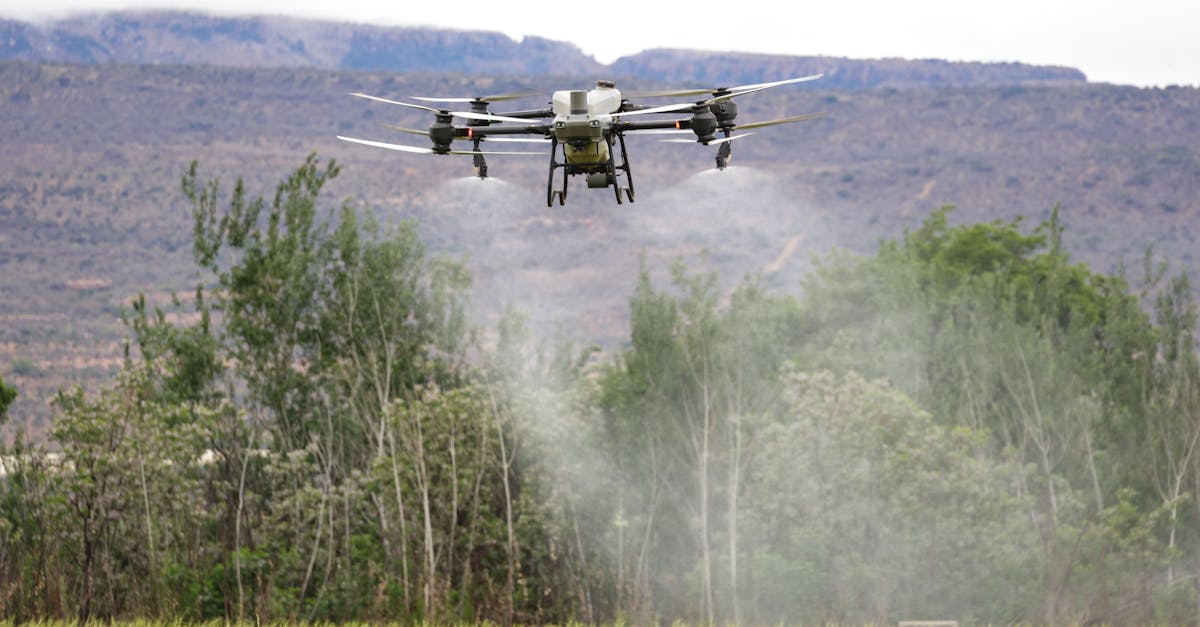
Beyond the Hype: The Real State of Agricultural Drones in India

The Hardware Reality of Indian Agri-Drones
The agricultural drone sector in India has transitioned from conceptual pilots to operational reality, though hardware limitations remain significant. Unlike the consumer drone market where specifications often outpace delivery, the agricultural sector demands reliability under high heat, humidity, and variable payload loads. While regulatory frameworks under the Directorate General of Civil Aviation (DGCA) have opened the skies, the actual availability of hardware and the service ecosystem remain the primary bottlenecks for widespread adoption.
Market Leaders: DJI Agras
DJI remains the dominant force in the Indian agricultural drone market, primarily through its Agras series. The DJI Agras T30 and the newer T40 models are currently the most widely deployed spraying machines in the country. These machines are not merely flying platforms; they are integrated spraying systems with ultrasonic radar for terrain following and obstacle avoidance.
Key Specifications:
- DJI Agras T30: Maximum take-off weight of 52 kg. Capable of carrying 40 kg of liquid payload. Spraying width is approximately 12 meters. Battery life supports roughly 10 minutes of spraying per charge, requiring frequent swap-outs in large fields.
- DJI Agras T40: Upgraded version with a 50 kg liquid payload capacity. Features improved obstacle avoidance sensors and a faster charging system (up to 10 minutes for a full charge).
India Availability & Pricing:
DJI Agras units are officially imported and available through authorized distributors in India. The landed cost for an Agras T30 typically ranges between ₹12 lakh and ₹15 lakh, while the T40 commands a premium closer to ₹18 lakh to ₹22 lakh depending on the dealer and included service packages. These prices exclude the mandatory pilot training and ground control station accessories, which can add another ₹2-3 lakh to the total setup cost.
The hardware is shipping and deployed, but service support is concentrated in major agricultural states like Punjab, Haryana, and Karnataka. In remote regions, spare parts availability can delay operations by weeks, a critical failure point for farmers during peak sowing or spraying seasons.
Indian Startups: Garuda Aerospace and the Local Supply Chain
Indian startups have pivoted from surveillance to agricultural applications to leverage the PLI (Production Linked Incentive) scheme. Garuda Aerospace, a prominent player in the Indian drone ecosystem, has introduced the Garuda VJ-10 and VJ-100 for agricultural spraying.
Garuda Aerospace:
Garuda has focused on the 'Drone-as-a-Service' (DaaS) model alongside hardware sales. The VJ-10 is a quadcopter designed for small to medium-scale farmers. Unlike the DJI Agras, which is a dedicated agricultural vehicle, the VJ-10 is a multi-purpose platform that can be reconfigured for spraying or surveillance.
Hardware Grade:
- Garuda VJ-10: Payload capacity of approximately 10 liters. Flight time is around 15-18 minutes under no-load conditions, dropping to 10-12 minutes with full spray load.
- Garuda VJ-100: Larger platform targeting larger farms. Payload capacity reaches up to 40 liters.
Availability & Pricing:
Garuda drones are manufactured in India, reducing import duties. The VJ-10 is priced approximately between ₹6 lakh and ₹8 lakh, while the VJ-100 sits closer to ₹12 lakh to ₹14 lakh. While the upfront hardware cost is lower than DJI, the operational expenditure (OPEX) remains a concern due to battery degradation rates in high-temperature environments.
It is important to note that while Garuda has announced partnerships and completed pilot projects, the volume of units shipped compared to the installed base of DJI Agras remains smaller. Independent reporting indicates that service networks for Indian OEMs are growing but are not yet as dense as DJI's authorized service center network in Tier-1 cities.
The Economics of Spraying: Cost Per Acre
For Indian farmers, the decision to adopt agricultural drones rests on the economics of spraying. Traditional manual spraying or tractor-mounted booms require significant labor and time. Drones promise speed, but the ROI must be clear.
Operational Costs:
- DJI Agras: Capable of spraying 40 acres per hour. The operational cost is roughly ₹150-₹200 per acre, including electricity for charging and technician fees.
- Local Startups: Typically cost ₹250-₹350 per acre due to lower payload efficiency and higher maintenance frequency. However, they offer lower entry barriers for micro-farmers.
Government subsidies play a critical role here. Under the Government of India's 'Subsidy on Agricultural Drones' scheme, farmers can receive financial assistance of up to 50% on the cost of drones used for pesticide spraying. This subsidy is often disbursed through State Governments, leading to variability in availability. Without this subsidy, the ₹12 lakh+ price tag for a DJI Agras is prohibitive for most individual farmers, necessitating a cooperative model where a farmer group purchases the drone.
Regulatory Landscape: DGCA and Operational Compliance
The Directorate General of Civil Aviation (DGCA) has issued updated Drone Rules 2024, which streamline the licensing process. However, for agricultural spraying, specific flight permissions are required.
Key Requirements:
- UIN (Unique Identification Number): Every drone must have a registered UIN.
- NOF (No Objection Certificate): Permission from the Air Traffic Control (ATC) or local authorities is mandatory for flights outside the no-fly zones.
- Pilot License: The operator must hold a valid Remote Pilot Certificate (Class 1 for drones under 25 kg, Class 2 for heavier).
Recent policy shifts have moved towards a digital platform (Digital Sky Platform) where applications can be filed online. This reduces bureaucratic friction. However, operational reality often lags behind policy. Pilots report that obtaining permission for night operations or flights over populated areas remains difficult, limiting the working window for agri-drones to daylight hours only.
Deployment Realities: Pilot Projects vs. Commercial Scale
When grading the market, we must distinguish between announcements and deployed hardware. Several startups have announced partnerships with state governments for 'smart farming' initiatives. However, these often involve demonstration pilots rather than continuous commercial operations.
What is Shipping:
- DJI Agras T30 and T40 units are actively deployed in Punjab, Maharashtra, and Telangana.
- Garuda Aerospace units are deployed in pilot projects in Karnataka and Tamil Nadu.
- Other OEMs like IdeaForge (now restructured) have pivoted more towards security and surveillance, with limited agri-deployment data available.
What is Announced:
- Many startups list 'Agri-Spray' on their websites, but the actual fleet count is often in the double digits rather than the hundreds.
- Autonomous landing pads for charging are mostly theoretical or limited to specific pilot sites.
- Integration with satellite data for crop health monitoring is often a value-add that requires a subscription service not included in the hardware price.
The Battery and Logistics Bottleneck
The agricultural drone sector in India faces a specific technical challenge: battery management in rural areas. Agricultural spraying requires rapid battery swaps to maintain efficiency. In remote fields, access to high-voltage charging infrastructure is limited. Most drones, including the DJI Agras, rely on portable power stations or vehicle-based generators.
Battery life degradation is another critical factor. Lithium Polymer (LiPo) batteries lose capacity rapidly in temperatures exceeding 45°C. Indian summers can push ambient temperatures to 50°C, reducing flight time by 20-30%. Manufacturers like DJI include thermal management systems, but local OEMs often struggle with this due to component costs. This directly impacts the 'acres per hour' metric, making the ROI less attractive than promised in press releases.
Conclusion: A Hardware-First Approach
The agricultural drone sector in India is viable but not yet mature. It is currently a hardware-constrained market where the availability of service, spares, and reliable power infrastructure dictates success. While the regulatory framework is evolving positively, the economic viability for small farmers remains dependent on government subsidies.
For investors and operators, the focus should remain on the 'shipping hardware' grade. DJI Agras remains the benchmark for reliability. Indian startups like Garuda Aerospace offer cost-effective alternatives but require scrutiny on their after-sales support. Until the service network matches the sales network, the 'Agri-Drone Revolution' will remain a patchwork of successful pilots rather than a blanket industry transformation.
References
The following sources were used to verify specifications, pricing, and regulatory details:
- DJI Agriculture Official Website: https://www.dji.com/agriculture
- Garuda Aerospace Official Site: https://www.garudaaerospace.com
- Ministry of Civil Aviation, Government of India: https://www.mca.gov.in
- Digital Sky Platform (DGCA): https://sky.dgca.gov.in
- Press Information Bureau (PIB) on Drone Subsidies: https://pib.gov.in
✓ Key takeaways
- •Hands-on view of Beyond the Hype: The Real State of Agricultural Drones in India inside our Agricultural Drones library.
- •Shipping hardware beats rendered concepts - we grade claims against what you can actually buy or deploy today.
- •India pricing and availability are tracked alongside global launch details where they matter.
References
Related articles
More in Agricultural Drones →