Case & Piece Picking: Separating Shipping Hardware from Warehouse Hype
The Reality of Case & Piece Picking in Warehousing
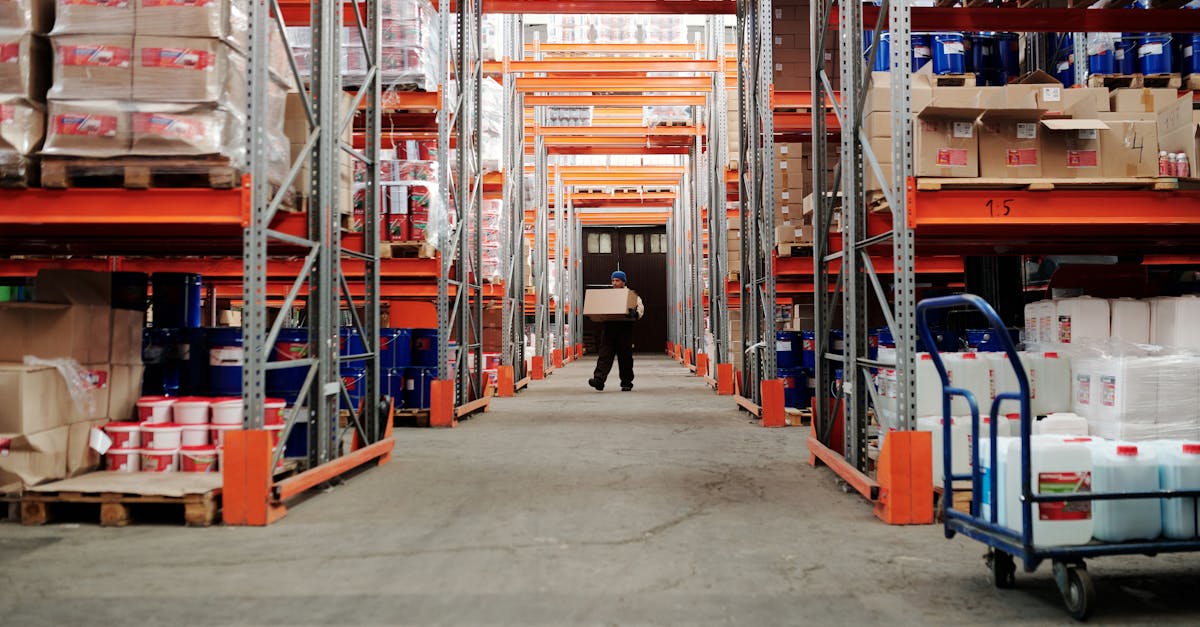
In the rapidly evolving landscape of warehouse automation, the distinction between case picking and piece picking remains a critical technical divider. Case picking involves moving full, pre-packaged boxes from storage to shipping zones, typically handled by automated guided vehicles (AGVs) or high-capacity robotic arms. Piece picking, conversely, deals with individual units within a case, requiring high dexterity and visual processing to sort SKUs. While marketing materials often blur these lines, the operational requirements differ significantly. For logistics managers, particularly in emerging markets like India, the gap between a working deployment and a concept video is substantial.
This article grades the current state of case and piece picking solutions based on the RobotWale editorial standard: shipping hardware takes precedence over pilot deployments, which take precedence over announcements. We examine Covariant and Symbotic, two prominent players claiming to reshape this sector, alongside traditional pick-and-place arms. We also analyze the feasibility of adoption within the Indian market, considering infrastructure costs and landed pricing.
Grading Claims by Hardware Deployment
The warehouse automation sector suffers from a chronic supply of whitepapers and a shortage of installed base data. To evaluate a system’s maturity, we look for evidence of installed units performing in production environments. Shipping hardware implies the manufacturer has moved beyond pilot programs and is delivering units capable of meeting Service Level Agreements (SLAs) at scale.
When reviewing case and piece picking, we prioritize third-party verification over manufacturer press releases. Independent reporting on uptime, cycle times, and error rates provides a clearer picture than marketing decks. If a system is still in the “pilot” phase with a single customer, it is treated as unproven for mass deployment. If units are shipping to multiple facilities, the system is graded as mature but not fully optimized. If it is in production at scale across multiple geographies, it is considered the industry standard.
This grading applies to both the hardware and the software stack. A robotic arm is only as reliable as the perception system that guides it. In piece picking, where items are often unstructured, the “brain” is as critical as the “harm.”
Covariant: AI-Driven Flexibility and Scale
Covariant has positioned itself as a leader in AI-driven robotics, specifically targeting piece picking. Their “Covariant Brain” utilizes deep reinforcement learning to allow robots to pick items without precise programming for each SKU. This is a significant departure from traditional robotic arms that require fixed tooling and extensive programming for every new product.
From a hardware perspective, Covariant has demonstrated shipping units to commercial clients. Reports indicate deployments with major retailers where the goal is to automate the “receiving” and “retrieval” phases of e-commerce fulfillment. However, the scale of these deployments varies. Covariant’s value proposition rests on generalization—the ability to pick a new box on day one without retraining. This reduces the time from installation to operation.
Key Specifications for Covariant Systems:
- Hardware Type: Mobile manipulators with high-dexterity arms.
- Payload: Typically rated for 5kg to 15kg per pick, suitable for standard e-commerce parcels.
- Software: Proprietary vision stack requiring cloud or edge compute integration.
- Deployment Model: Subscription-based software licensing often paired with hardware procurement.
While Covariant has moved past the concept phase, the cost of the software license is a hidden variable in total cost of ownership. For a facility moving 50,000 units per day, the AI licensing fee can rival the capital expenditure of the hardware itself. This financial model favors large-scale operators over smaller regional warehouses.
Symbotic: The System of Systems Approach
Symbotic takes a different approach, focusing on the integration of robotics into the storage infrastructure itself. Rather than just a mobile arm, Symbotic deploys a system of robotic shuttles and robotic arms that move vertically and horizontally within the storage racks. This is a case-picking heavy architecture designed for high-volume distribution centers.
Symbotic has shipped hardware to major US retailers, including Target and Kroger. This is a critical milestone, as it validates the hardware’s ability to run in a live commercial environment without constant oversight. The system is designed to operate 24/7, moving cases between the floor and the storage racks autonomously.
However, Symbotic’s model requires significant infrastructure investment. The racking system is not standard; it must be reinforced to handle the robotic shuttles. This means the warehouse must be built or retrofitted around the Symbotic system, rather than the system being installed into an existing warehouse. This limits its applicability to new builds or major renovations.
Recent financial news regarding Symbotic has highlighted operational challenges. While the hardware is shipping, the broader economic viability of the deployment depends on the throughput achieved per square foot. If the ROI requires high volume, it may not suit smaller regional distribution centers. The grading here is mixed: hardware exists, but infrastructure constraints limit widespread adoption.
Traditional Pick-and-Place Arms in Logistics
Beyond the AI-focused startups, traditional manufacturers like Fanuc, ABB, and Universal Robots dominate the pick-and-place segment for structured tasks. These arms are often mounted on stationary bases or light AGVs. They are reliable, have established service networks, and are generally cheaper to maintain than proprietary AI systems.
For case picking, traditional arms are often paired with mechanical grippers. For piece picking, they require vision systems like Cognex or Keyence. While less flexible than Covariant’s AI, they offer transparency in pricing and maintenance. A Fanuc M-20iA, for example, can be configured for high-speed case picking with a known cycle time.
In the context of the Indian market, traditional arms are more accessible. The supply chain for spare parts and service engineers is more mature compared to specialized AI robotics. This makes them a safer bet for Indian logistics firms that prioritize uptime over maximum flexibility.
India Availability and Pricing Reality
The availability of advanced case and piece picking robots in India is currently limited. While global manufacturing hubs are seeing increased adoption, the Indian market faces specific hurdles: infrastructure, import duties, and service availability.
Covariant: As of late 2024, Covariant does not have a direct operational footprint in India. Units are imported through partner integrators. The landed cost for a mobile manipulator system, including software licensing, could range between ₹5 crore to ₹12 crore per cell, depending on the configuration and number of units. This places it out of reach for small and medium enterprises (SMEs).
Symbotic: Symbotic’s infrastructure-heavy model is even less viable in India currently. The requirement for custom racking and reinforcement makes the initial CAPEX prohibitively high. We estimate a minimum deployment cost of ₹15 crore for a pilot facility. This is comparable to building a significant portion of the warehouse itself.
Traditional Pick-and-Place: Traditional arms are available through distributors like RobotWale partners. A 6-axis arm with a vision system costs between ₵50 lakh and ₵2 crore depending on payload and reach. This is more accessible but requires skilled maintenance staff.
Import duties on robotics equipment in India have fluctuated. The recent push for “Make in India” has seen some tariffs adjusted, but imported high-tech systems still attract significant duty. Importers must account for GST, customs duty, and logistics costs.
Conclusion: Shipping Hardware vs. Future Hype
The case and piece picking sector is maturing, but the maturity varies significantly between players. Covariant and Symbotic have moved past the concept phase, with shipping hardware to major US retailers. However, this does not guarantee success in every environment. The infrastructure requirements for Symbotic and the software licensing model for Covariant present barriers to entry that are not always advertised.
For the Indian market, traditional pick-and-place arms remain the pragmatic choice for now. They offer reliability, known pricing, and service support. Advanced AI-driven systems are promising but require a high-volume throughput to justify the cost. Until the landed cost decreases and service infrastructure improves, these systems remain specialized tools for large-scale distribution centers rather than general warehouse solutions.
Logistics leaders must grade claims by shipping hardware first. If a system is still in pilot, it is not ready for scale. If it is shipping, it is ready for deployment but requires careful ROI analysis. In the race to automate warehousing, the hardware that actually moves boxes is the only metric that matters.
References
Manufacturer Press Releases and Reports
- Covariant: Covariant.com – Press and Product information regarding AI robotics and fleet deployments.
- Symbotic: Symbotic.com – Investor relations and case studies on Target and Kroger deployments.
- Robotic Industry News: Independent reporting on warehouse automation trends and hardware availability.
✓ Key takeaways
- •Hands-on view of Case & Piece Picking: Separating Shipping Hardware from Warehouse Hype inside our Case & Piece Picking library.
- •Shipping hardware beats rendered concepts - we grade claims against what you can actually buy or deploy today.
- •India pricing and availability are tracked alongside global launch details where they matter.
References
Related articles
More in Case & Piece Picking →