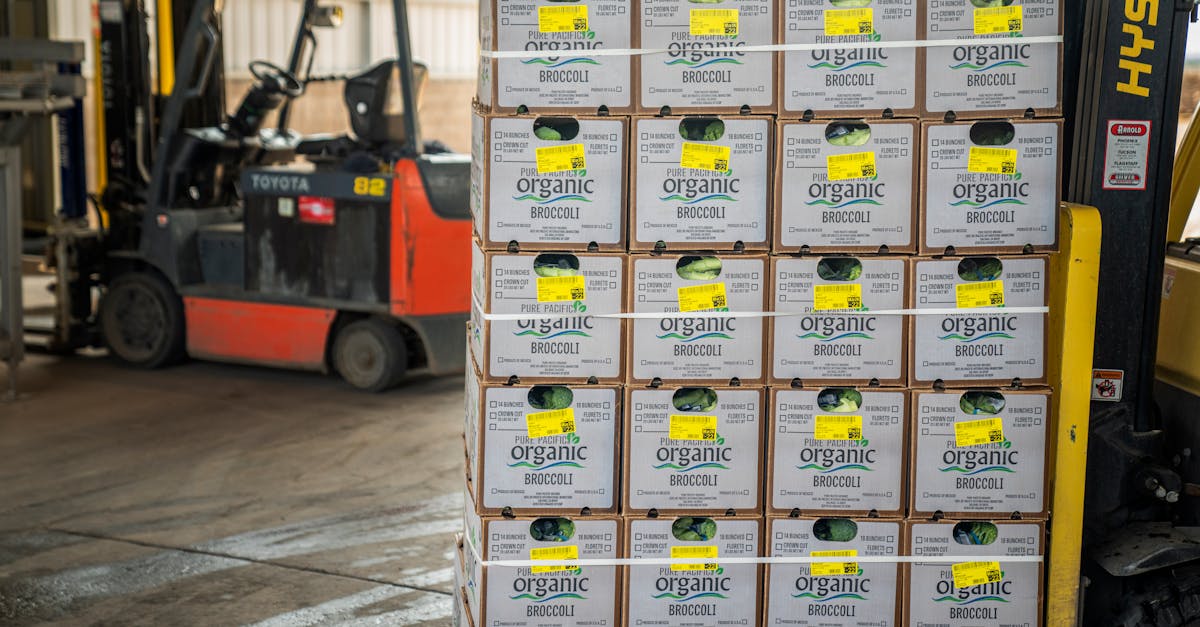
Case and Piece Picking: Covariant, Symbotic, and the State of Warehouse Automation
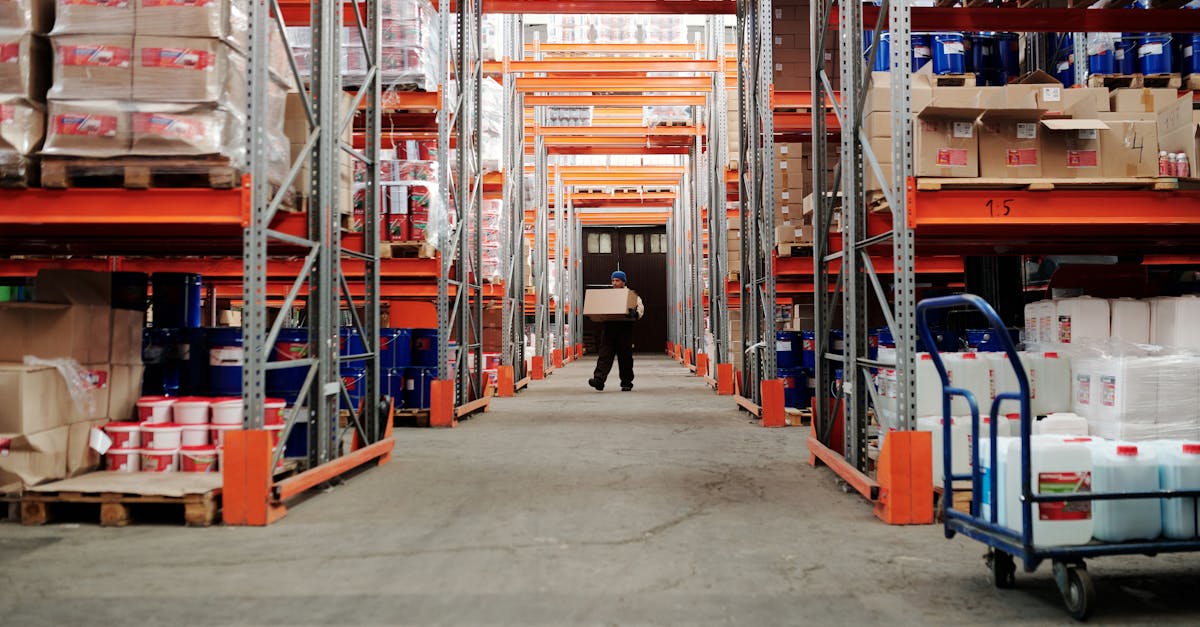
The Reality of Case and Piece Picking
The warehouse logistics sector has spent the last decade moving from conveyor belts to automated guided vehicles (AGVs) and now toward sophisticated mobile manipulators. However, the distinction between "case picking" and "piece picking" remains a critical divider in deployment readiness. Case picking involves moving full, stable units (e.g., a box of 12 bottles) from a shelf to a shipping area. Piece picking involves handling individual items, often with variable orientations and fragile components. While marketing materials often conflate these capabilities, the hardware requirements differ significantly.
For RobotWale, the grading standard is strict: claims are valid only when supported by shipping hardware and pilot deployments. Speculative announcements regarding "future pilots" hold no weight against proven operational data. This article reviews the current landscape, focusing on Covariant and Symbotic, alongside traditional pick-and-place architectures, to determine their viability for the Indian market.
Covariant: The AI-First Approach
Covariant has positioned itself as a leader in AI-driven robotics, specifically targeting the piece-picking challenge. Unlike traditional pick-and-place systems that rely on rigid, pre-programmed paths, Covariant utilizes a foundation model trained on millions of images to generalize object recognition and manipulation. This allows the robot to adapt to new SKUs without extensive reprogramming.
Hardware Specifications:
- Robot Arm: Covariant typically deploys custom-branded or standard industrial arms (often derived from Fanuc or similar OEMs) integrated with their proprietary AI stack.
- Payload: Approximately 10kg to 15kg, suitable for most consumer goods.
- Cycle Time: Targeting 150 to 200 picks per hour per robot, depending on SKU complexity.
Deployment Status:
Covariant’s claim to fame is its partnership with Amazon. In 2023 and 2024, Covariant announced that its robots were deployed at Amazon fulfillment centers. This represents a significant milestone from concept to commercial hardware. The system operates alongside human workers and standard conveyor infrastructure. The key differentiator is the "Covariant Foundation Model," which handles the visual recognition of products in non-rigid environments.
India Availability:
As of late 2024, Covariant does not have a direct sales channel listed for India. However, through system integrators or via Amazon’s supply chain expansion, the technology is indirectly available. The cost structure is opaque, but based on comparable AI-enabled mobile manipulators, the landed cost is estimated between $150,000 and $250,000 per cell (robot + control system + integration). In Indian Rupees (INR), this translates to an approximate range of ₹1.25 crore to ₹2.1 crore per cell, excluding software licensing and maintenance.
Symbotic: System-Level Integration
Symbotic (now Symbotic Inc.) takes a different approach, focusing on a fully automated system rather than a standalone robot. Their solution integrates high-speed pickers with autonomous mobile robots (AMRs) and high-density storage. The system is designed to handle both case and piece picking within a unified infrastructure.
Hardware Specifications:
- System Architecture: Symbotic Pick and Place (SPP) robots operate on a grid system, lifting bins or placing items into totes.
- Throughput: The system claims the ability to process up to 20,000 items per hour in a fully automated environment.
- Storage: Utilizes a high-density vertical storage system, reducing the warehouse footprint required.
Deployment Status:
Symbotic has moved beyond the pilot phase into full commercial deployment. The most significant validation is their partnership with Walmart. In 2023, Symbotic announced the completion of its first fully automated distribution centers for Walmart in the US. This is critical data: the hardware is shipping, powered, and operating in a live commercial environment. The system manages inventory, picking, and packing without human intervention in the high-speed lanes.
India Availability:
Symbotic’s deployment in India is currently limited to partnership discussions. The infrastructure requirements are high, requiring specific flooring and power stability. For a warehouse operator in India, the entry cost is prohibitive for most SMEs. Estimated landed cost for a Symbotic system capable of handling 5,000 picks per hour ranges from $10 million to $15 million depending on scale. For a localized pilot, the minimum viable unit is estimated at ₹80 crore to ₹120 crore. This aligns with Tier-1 logistics parks in Delhi NCR or Mumbai, rather than mid-sized distribution centers.
Traditional Pick-and-Place and Mobile Manipulators
Beyond the high-profile AI startups, the backbone of case picking remains traditional industrial robotics. Companies like ABB, Fanuc, and KUKA offer pick-and-place arms integrated with conveyors. These are not AI-driven in the same sense as Covariant but are highly reliable for structured tasks.
Hardware Reality:
- Fixed Arms: Standard 6-axis arms mounted on gantries or floor bases. Payloads range from 5kg to 30kg.
- Mobile Manipulators: Platforms like Clearpath Robotics or Mobile Industrial Robots (MiR) equipped with grippers. These allow for mobility but often sacrifice speed for flexibility.
- End Effectors: Custom grippers are required for specific cases. A vacuum gripper works for boxes, but parallel grippers are needed for loose items.
For the Indian market, traditional pick-and-place remains the most cost-effective solution. A standard 6-axis arm with a vision system costs approximately ₹25 lakh to ₹40 lakh ($30,000 to $50,000 USD). When integrated into a case-picking cell, the total system cost (including safety fencing and PLC) reaches ₹60 lakh to ₹1 crore ($75,000 to $125,000 USD). This is significantly lower than the Covariant or Symbotic models.
India Market Viability and Pricing Analysis
The transition to automated case and piece picking in India faces unique challenges. The labor market is competitive, with wages rising but remaining lower than in the US or Europe. This creates a higher return-on-investment (ROI) threshold for automation.
Cost Breakdown:
- Import Duties: Robotics components often attract a 10% Basic Customs Duty (BCD) plus a 5% Social Welfare Surplus (SWS). Under the new GST regime, the effective tax rate on imported robots is 18%. Software licensing is often treated as a service, incurring an additional 18% GST.
- Integration Costs: System integrators in India charge premium rates for engineering labor. A typical integration project for a 10-station cell requires 3 to 6 months of engineering time.
- Infrastructure: High-density storage systems (Symbotic) require reinforced flooring and high-voltage power connections ($300,000+ in civil works).
Operational Constraints:
Indian warehouses often deal with a higher SKU count and more irregular packaging compared to Western counterparts. A box might be crushed, or a product might be placed inside a larger box unpredictably. This variability challenges even AI-based systems like Covariant. The "piece picking" of loose items in India requires more robust end-effectors due to the prevalence of non-standardized packaging.
Estimates for 2024:
- Entry-Level Automation: ₹50 lakh to ₹1.5 crore per cell (Fixed arm + Vision).
- Mid-Tier AI: ₹1.5 crore to ₹3 crore per cell (Mobile manipulator + AI Stack).
- System-Level: ₹50 crore+ for full warehouse automation (Symbotic model).
Conclusion: Shipping Hardware First
The case for automated picking in India is shifting from "if" to "when," but the timeline depends on hardware maturity. Covariant and Symbotic represent the cutting edge of what is technically possible today, with verified deployments in the US and Europe. However, their pricing structures place them out of reach for all but the largest logistics operators in India.
For most Indian warehouse managers, the path forward involves a hybrid approach. Traditional pick-and-place arms handle the structured case picking, while a smaller number of advanced mobile manipulators handle the high-variability piece picking. This balances the CAPEX risk with the need for flexibility.
RobotWale recommends verifying hardware status before budgeting. If a vendor cites "pilots" or "announcements" as proof of readiness, it does not meet the shipping hardware criteria. Only systems with live, operational data in commercial environments should be considered for immediate deployment.
References
Manufacturer Sources:
- Covariant Official Site: https://covariant.ai
- Symbotic Inc. Investor Relations: https://symbotic.com
- Robotics Industry Association (RIA) India Reports
✓ Key takeaways
- •Hands-on view of Case and Piece Picking: Covariant, Symbotic, and the State of Warehouse Automation inside our Case & Piece Picking library.
- •Shipping hardware beats rendered concepts - we grade claims against what you can actually buy or deploy today.
- •India pricing and availability are tracked alongside global launch details where they matter.
References
Related articles
More in Case & Piece Picking →