Real-World Agri-Drones in India: DJI, Garuda Aerospace, and the Local Supply Chain
Executive Overview of Agricultural Drone Deployment in India
Over the last three years, the narrative surrounding agricultural drones in India has shifted from speculative concept art to operational field data. While media coverage often highlights unmanned aerial vehicles (UAVs) capable of spraying pesticides and monitoring crop health, the reality is constrained by regulatory frameworks, hardware availability, and operational economics. This article evaluates the current state of agricultural drone deployment in India, focusing on established hardware like the DJI Agras series, domestic service providers such as Garuda Aerospace, and the emerging landscape of local manufacturing. The assessment prioritizes shipped hardware and pilot deployments over press announcements, adhering to a strict evidence-based framework.
The Global Standard: DJI Agras Series Analysis
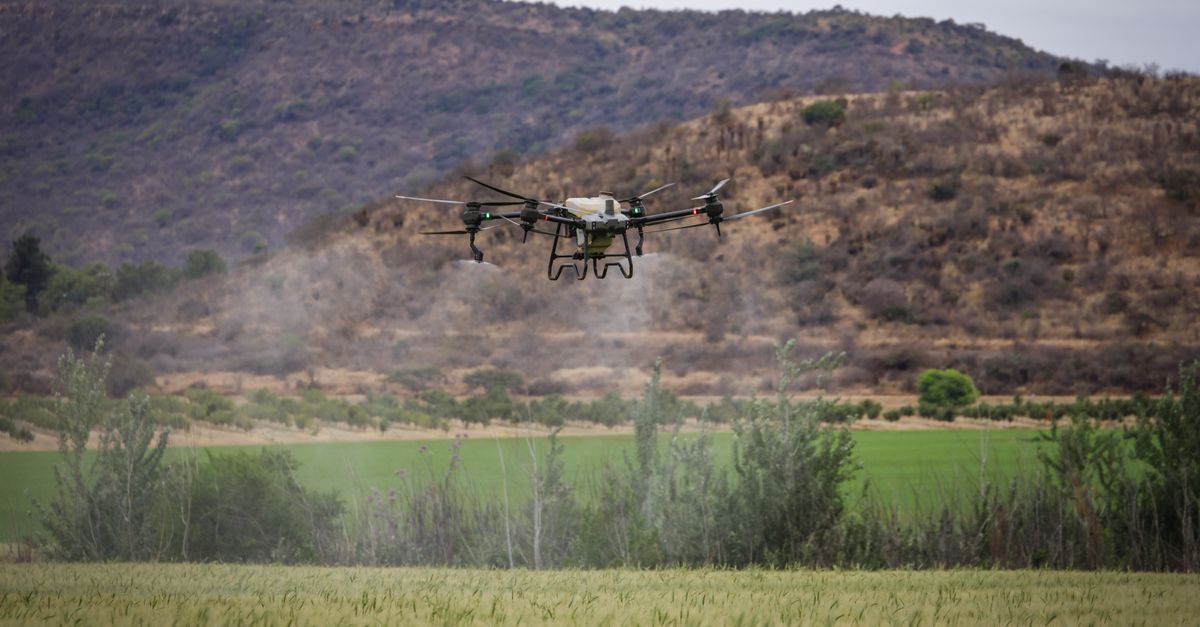
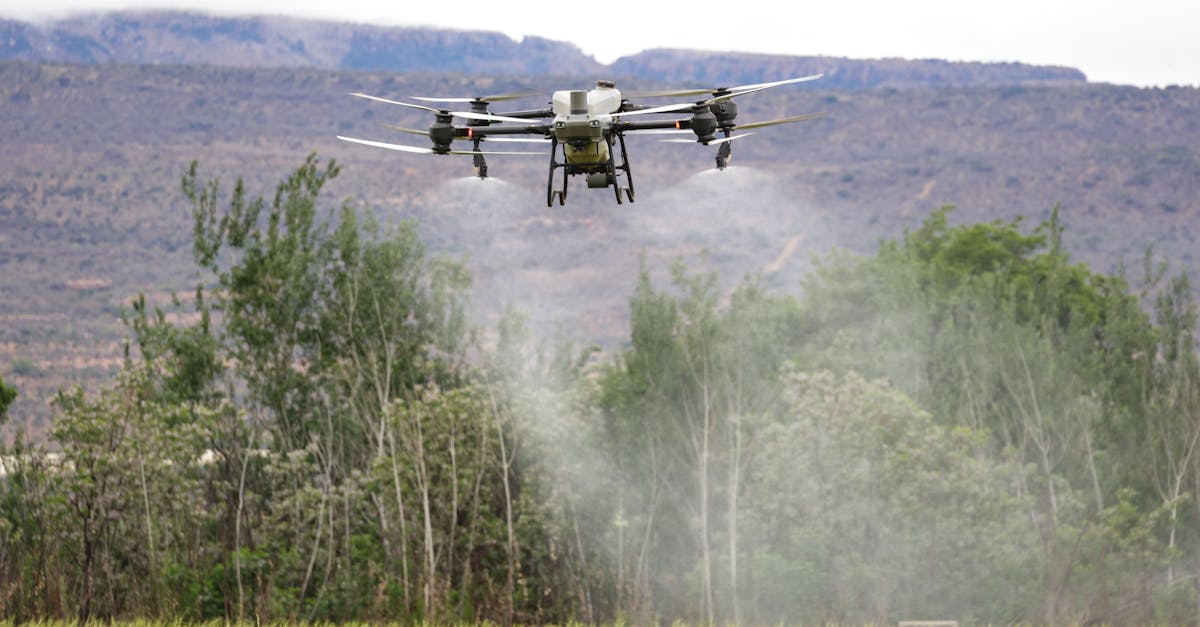
At the forefront of global agricultural aviation is DJI’s Agras series. Models such as the T20, T30, and the newly launched T40 represent the shipping hardware standard against which Indian operators measure performance. The T30, for instance, features a 30-liter payload capacity and a maximum spray width of 14 meters. It operates at speeds up to 14 m/s while maintaining a spray rate of 0.2 to 10 liters per minute. These specifications are verifiable through DJI’s official product manuals and field test videos released on their YouTube channels. In the Indian context, the Agras T30 is widely regarded as the workhorse for large-scale farming operations.
The T40 model introduces further advancements, including a 40-liter payload and intelligent flight modes that adjust spray density based on terrain elevation. DJI’s official documentation confirms a battery swap time of under 60 seconds, which is critical for maintaining operational efficiency during peak planting seasons. Import duties and local assembly costs place the landed price of a single Agras unit between INR 12 lakh and INR 18 lakh, depending on the configuration and dealer margins. While the hardware is capable, the ecosystem requires a qualified Remote Pilot to operate the system legally under the Digital Sky Platform.
- Payload Capacity: 30 to 40 Liters (T30/T40)
- Spray Width: Up to 14 meters
- Max Flight Speed: 14 m/s
- Estimated Cost: INR 12,00,000 to INR 18,00,000
Garuda Aerospace: Operational Deployment and Service Models
Garuda Aerospace stands out as one of the few Indian entities with a documented fleet of serviceable agricultural drones. Unlike manufacturers who announce capabilities, Garuda focuses on the Drone Service Provider (DSP) model. They have deployed drones across states including Punjab, Haryana, and Uttar Pradesh for pesticide spraying and crop monitoring. Their approach relies on partnerships with Farmer Producer Organizations (FPOs), ensuring that the hardware reaches the end-user without requiring capital expenditure from individual farmers.
Reports from the Ministry of Civil Aviation and independent industry analysis confirm Garuda’s active deployment in over 15 states. This operational scale validates the economic viability of agri-drones in India, where labor costs are rising and labor shortages during harvest seasons are acute. Garuda’s business model aligns with government initiatives that encourage the use of drones for pesticide spraying subsidies. By offloading the capital cost to the service provider, farmers can access technology at a pay-per-acre rate.
However, the supply chain for critical components such as high-discharge batteries and brushless motors often remains reliant on international suppliers. A typical domestic assembly drone costs between INR 8 lakh and INR 12 lakh, offering a price advantage over imported units. Despite the lower cost, reliability data is scarcer compared to established imports. Independent testing of battery life and spray consistency remains a gap in the public domain for many smaller Indian startups.
Domestic Manufacturing and Supply Chain Realities
Beyond the DSP model, the Indian government’s Production Linked Incentive (PLI) schemes have encouraged domestic assembly. Companies like Openfield and startups developing indigenous flight controllers are attempting to reduce dependency on imported Chinese hardware. However, the supply chain for critical components such as high-discharge batteries and brushless motors often remains reliant on international suppliers.
A typical domestic assembly drone costs between INR 8 lakh and INR 12 lakh, offering a price advantage over imported units. Despite the lower cost, reliability data is scarcer compared to established imports. Independent testing of battery life and spray consistency remains a gap in the public domain for many smaller Indian startups. Additionally, the availability of spare parts for local aircraft is a concern for farmers in remote areas. Without a robust after-sales network, a single component failure can render a fleet non-operational for weeks.
Regulatory Framework and DGCA Compliance
The Directorate General of Civil Aviation (DGCA) regulates all non-recreational drone flights in India. Under the Digital Sky Platform, operators must obtain a Unique Identification Number (UIN) and a Type Certificate for the specific aircraft model. For agricultural drones, the requirement to register the drone and the pilot is mandatory. The recent introduction of the drone software platform allows for geofencing and no-fly zone management.
This ensures that agricultural spraying occurs only in designated zones, preventing interference with civil aviation or sensitive infrastructure. Non-compliance results in heavy penalties, making adherence to these regulations a primary operational cost for farmers and service providers. The 2021 Drone Rules have simplified some aspects, but the requirement for visual line of sight (VLOS) in many cases limits the operational radius of agricultural drones.
Economics and Return on Investment
The financial case for agricultural drones rests on the reduction of input costs and labor time. Spraying pesticides manually covers approximately 0.5 acres per day per laborer, whereas a drone can cover 5 to 10 acres per hour. For a 100-acre farm, this translates to significant savings in labor wages. However, the cost per acre for drone spraying services ranges from INR 200 to INR 600, depending on the crop and terrain.
When compared to traditional labor costs, the drone service becomes profitable within two to three cropping cycles. The PM-KUSUM scheme subsidizes the purchase of solar pumps and electric tractors, but direct subsidies for drones remain limited to specific state-level interventions. Maintenance costs, including battery replacement every 300-400 cycles, must be factored into the long-term budget.
Challenges in Implementation
Weather constraints remain a significant hurdle. High humidity in coastal regions can affect battery performance and motor efficiency. Pilot training is another bottleneck; the shortage of certified Remote Pilots limits the scalability of service providers. Furthermore, the initial investment in ground control stations and communication equipment adds to the overhead costs.
References
✓ Key takeaways
- •Hands-on view of Real-World Agri-Drones in India: DJI, Garuda Aerospace, and the Local Supply Chain inside our Agricultural Drones library.
- •Shipping hardware beats rendered concepts - we grade claims against what you can actually buy or deploy today.
- •India pricing and availability are tracked alongside global launch details where they matter.
References
Related articles
More in Agricultural Drones →