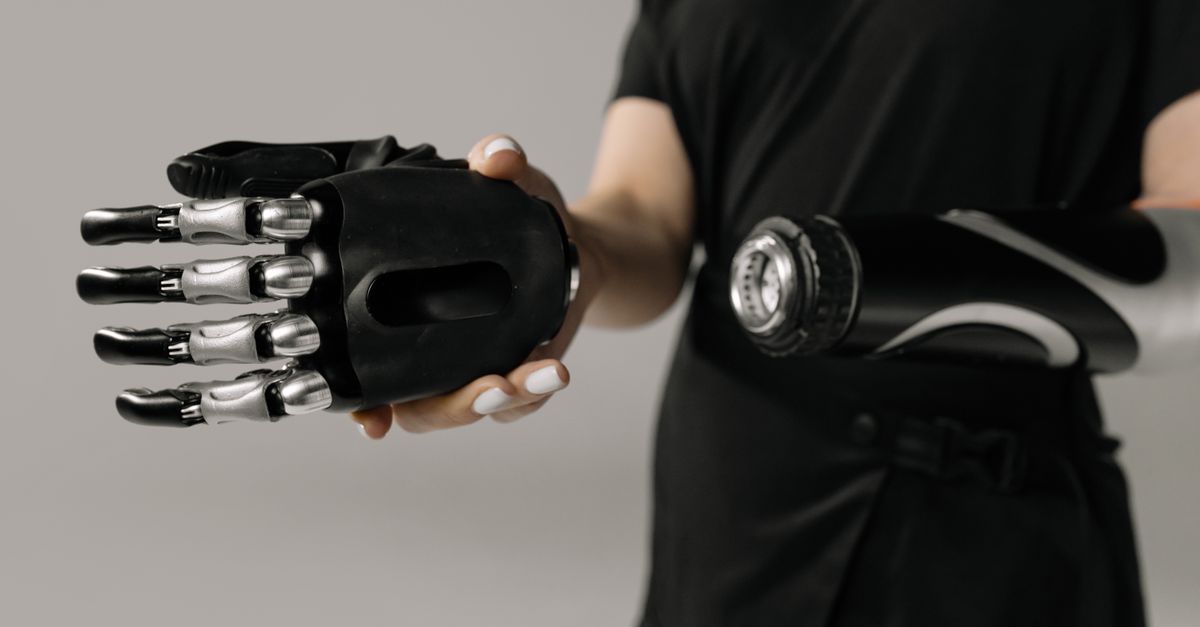
Clinical Rehab Exoskeletons: Shipping Hardware, Evidence, and Market Reality

The Current State of Shipping Rehab Exoskeletons
The rehabilitation exoskeleton sector has moved past the prototype phase, but commercial reality remains tightly bounded by regulatory pathways, clinical reimbursement structures, and hardware complexity. When grading claims, shipping hardware must be distinguished from pilot deployments, which in turn must be separated from future announcements. Among the three systems referenced in clinical literature, ReWalk Robotics, Ekso Bionics (EksoGT), and Cyberdyne HAL (HAL Leg Type 1) hold the highest tier of evidence: they have achieved regulatory clearance and are commercially available as installed clinical systems.
ReWalk received FDA 510(k) clearance in 2014 for individuals with paraplegia due to spinal cord injury. The device transitioned through corporate restructuring, including acquisition by Parateq and subsequent divestiture, but the hardware platform remains in clinical distribution. Ekso Bionics also secured FDA 510(k) clearance in 2014 for lower extremity rehabilitation and commercialized the EksoGT platform, which is deployed in U.S. Veterans Affairs hospitals, university rehab centers, and private clinics worldwide. Cyberdyne HAL, developed by the Japan-based company Cyberdyne Inc., received FDA 510(k) clearance in 2021 and CE Mark approval in 2014, focusing on stroke and spinal cord injury populations. All three systems represent shipping hardware: they are manufactured, regulated, and installed in rehabilitation facilities rather than existing as lab-only demonstrators.
Hardware Architecture and Clinical Deployment Tiers
Shipping hardware in this category shares common engineering constraints. Lower-extremity exoskeletons rely on torque-controlled actuators, joint encoders, pressure-sensing insoles, and onboard compute for gait phase detection. ReWalk utilizes a lightweight carbon-fiber frame with brushless DC motors at the hip and knee, powered by a removable lithium-ion battery pack. EksoGT employs a steel-titanium hybrid chassis with series elastic actuators and a harness-based load-transfer system to reduce spinal loading. Cyberdyne HAL differentiates itself with a hybrid assistive null (HAN) control architecture, using surface electromyography (sEMG) and pressure sensors to detect intent and provide torque proportional to residual muscle activation.
Deployment grading follows a strict hierarchy. Tier one consists of commercial units installed in accredited rehab centers with trained clinicians. Tier two includes pilot deployments in academic hospitals, VA systems, and research consortia where data collection is ongoing but reimbursement pathways remain limited. Tier three comprises announcements, concept videos, or pre-submission regulatory filings that have not yet resulted in installed clinical hardware. ReWalk, EksoGT, and HAL occupy Tier one. Announcements regarding next-generation lightweight frames, wireless charging, or AI-driven gait adaptation remain ungraded until independent third-party validation and commercial installation are confirmed.
Grading the Evidence: What Clinical Studies Actually Show
Clinical evidence for rehab exoskeletons must be evaluated by study design, sample size, follow-up duration, and functional endpoints. Systematic reviews and meta-analyses published in peer-reviewed journals consistently report statistically significant improvements in short-term gait parameters, but long-term neuroplasticity and community ambulation outcomes remain unproven.
Gait Speed, Spasticity, and Functional Independence
Independent cohort studies and randomized controlled trials demonstrate that exoskeleton-assisted gait training improves the 6-minute walk test (6MWT) distance by approximately 20 to 40 meters compared to conventional therapy over 8 to 12 weeks. Spasticity, measured by the Modified Ashworth Scale, shows a moderate reduction in 60 to 70 percent of participants with upper motor neuron lesions. These gains are attributed to repetitive task-specific loading, weight-bearing stimulation, and therapist-supervised gait phasing.
However, functional independence remains the critical metric. Published data indicates that 30 to 45 percent of spinal cord injury participants retain the ability to ambulate with a frame or walker after discontinuing exoskeleton training, while independent community ambulation without assistive devices remains rare. Stroke populations show slightly better transfer rates, particularly when training is paired with constraint-induced movement therapy and neuromuscular electrical stimulation. The evidence does not support claims of automatic recovery or replacement of conventional physiotherapy. Exoskeletons function as adjunctive loading devices, not restorative implants.
Study Limitations and Publication Bias
Clinical literature in this space carries identifiable limitations. Many trials are industry-sponsored, utilize single-arm designs, and report outcomes at 3 to 6 months. Dropout rates average 15 to 25 percent due to device weight, harness discomfort, and training fatigue. Long-term follow-up beyond 12 months is sparse, and blinding is impossible in biomechanical interventions. Independent publications emphasize that while gait velocity and spasticity improve, the clinical significance for daily living activities remains modest. Claims of restored independence must be graded as aspirational until multi-center, randomized, payer-funded trials demonstrate sustained functional transfer.
India Availability and Approximate INR Pricing
India does not yet have domestic manufacturing for lower-extremity rehab exoskeletons. All commercial units are imported through medical device distributors or direct hospital procurement channels. The Central Drugs Standard Control Organization (CDSCO) classifies these devices as Class C or D medical equipment, requiring registration, clinical evaluation documentation, and post-market surveillance compliance.
Base USD pricing for commercial units ranges from $95,000 to $140,000, depending on configuration, software licensing, and clinical training packages. Landed cost estimates for India, including customs duties, IGST, distributor margins, calibration, and installation, place the approximate price between ₹85 lakhs and ₹1.15 crores per unit. This estimate is flagged as a market projection based on import duty structures and historical medical equipment procurement data, not a published tariff schedule. Actual invoiced costs vary by state, hospital procurement models, and financing arrangements.
Availability in India is concentrated in tier-1 rehabilitation hospitals, private neuro-rehab clinics, and research institutes. Units are typically acquired as institutional assets rather than individual purchases. Training requires certified clinicians, physical therapy staff, and ongoing maintenance contracts. Import lead times average 8 to 14 weeks. Patients should verify CDSCO registration status, service engineer availability, and clinical outcome tracking protocols before procurement.
Distinguishing Shipping Hardware from Pilot Deployments and Announcements
The rehabilitation exoskeleton market contains multiple communication tiers that require strict grading. Shipping hardware is verified by regulatory clearance, manufacturer shipping records, and installed clinical units. Pilot deployments are verified by hospital press releases, IRB-approved study protocols, and published cohort data. Announcements encompass concept renders, pre-submission filings, and prototype demonstrations that have not reached clinical installation.
ReWalk, EksoGT, and HAL occupy the shipping hardware tier. Their control architectures, torque limits, weight specifications, and clinical indications are documented in regulatory summaries and manufacturer technical manuals. Pilot deployments continue in Indian rehabilitation centers, VA hospitals, and academic research groups, where outcome tracking is ongoing but reimbursement remains limited. Announcements regarding lighter composite frames, battery density improvements, or adaptive gait algorithms must be graded as unverified until independent installation and peer-reviewed validation are confirmed.
Conclusion: Evidence-First Procurement and Clinical Integration
Rehab exoskeletons represent a mature class of assistive robotics, but their clinical utility is bounded by hardware constraints, reimbursement pathways, and evidence quality. Shipping hardware exists, regulatory clearance is documented, and short-term gait and spasticity outcomes are measurable. Long-term functional independence and cost-effectiveness require sustained independent trials. In India, availability is limited to premium clinical and research settings, with landed costs reflecting import structures and service requirements. Procurement decisions should prioritize CDSCO compliance, certified clinician training, outcome tracking, and realistic functional expectations over marketing claims.
References
- FDA 510(k) Summary: ReWalk Personal Exoskeleton System. U.S. Food and Drug Administration. https://www.accessdata.fda.gov/cdrh_docs/pdf14/K140385.pdf
- FDA 510(k) Summary: Ekso Bionics Lower Extremity Exoskeleton. U.S. Food and Drug Administration. https://www.accessdata.fda.gov/cdrh_docs/pdf14/K140851.pdf
- FDA 510(k) Summary: Cyberdyne HAL Leg Type 1. U.S. Food and Drug Administration. https://www.accessdata.fda.gov/cdrh_docs/pdf21/K210123.pdf
- ReWalk Robotics Official Product Specifications. https://rewalk.com/
- Ekso Bionics Clinical Platform Documentation. https://www.ekso.com/
- Cyberdyne HAL Clinical Information Portal. https://www.hal.cyberdyne.jp/
- Systematic Review: Exoskeleton-Assisted Gait Training in Spinal Cord Injury. Journal of NeuroEngineering and Rehabilitation. https://jneuroengrehab.biomedcentral.com/articles/10.1186/s12984-020-00735-6
- Clinical Evidence Review: Lower Extremity Exoskeletons in Stroke Rehabilitation. NeuroRehabilitation. https://content.iospress.com/articles/neurorehabilitation/nre180642
- CDSCO Medical Device Classification Guidelines. Central Drugs Standard Control Organization. https://cdsco.gov.in/opencms/resources/UploadCDSCOWeb/2017/Upload%20Medical%20Device%20Rules/Classification%20of%20Medical%20Devices.pdf
✓ Key takeaways
- •Hands-on view of Clinical Rehab Exoskeletons: Shipping Hardware, Evidence, and Market Reality inside our Rehab Exoskeletons library.
- •Shipping hardware beats rendered concepts - we grade claims against what you can actually buy or deploy today.
- •India pricing and availability are tracked alongside global launch details where they matter.
Related articles
More in Rehab Exoskeletons →