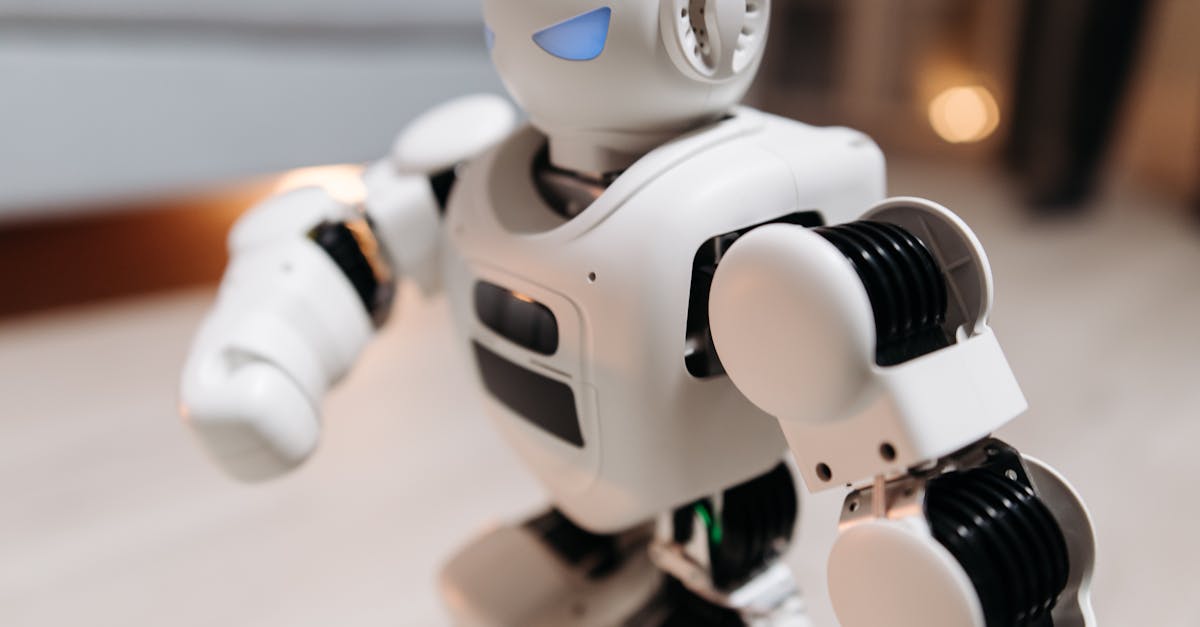
Cooking Robots in India: Reality Check on Moley, Thermomix, and Automation Arms

The Kitchen as the Last Frontier
The residential kitchen remains the most complex environment for robotics to date. While humanoid robots like Tesla Optimus or Figure 01 promise general-purpose utility, the dedicated cooking robot represents a narrower, more solvable, yet still expensive subset of automation. For the Indian consumer, the distinction between a 'smart kitchen appliance' and a 'cooking robot' is critical. This article grades these technologies based on shipping hardware, pilot deployments, and manufacturer announcements, specifically addressing the Indian context where voltage, counter space, and culinary workflows differ significantly from Western markets.
Moley Robotics: The Full Kitchen Prototype
Moley Robotics, headquartered in the United Kingdom, has been the most aggressive proponent of the 'full kitchen robot' concept. Their flagship product, the Moley Robotics Kitchen, features two anthropomorphic arms capable of replicating human movements to cook complex meals. Unlike a standard appliance, Moley is designed to interact with existing kitchen infrastructure—grabbing pans from a rack, pouring ingredients from jars, and operating standard gas or induction burners.
Shipping Status and Availability
Moley Robotics has moved beyond the rendered concept phase. The company has demonstrated the hardware in physical showrooms and private installations. However, the shipping volume remains extremely limited. As of 2024, Moley does not list a direct India distributor. Importing the system would require a specialized logistics partner due to the size and weight of the unit, which includes a large robotic arm base and a custom-built cabinetry structure.
Technical Specifications and Limitations
The Moley system relies on deep learning to map the kitchen environment. It utilizes cameras and force-torque sensors to handle delicate items like eggs or pasta without breakage. However, the system requires a pre-defined setup. Every kitchen must be calibrated for the robot's reach and tooling. For an Indian kitchen, this presents a significant hurdle. Traditional Indian kitchens often utilize clay pots (handis), cast iron tawas, and irregularly shaped vessels that may not fit the robot's standard gripper calibration.
India Pricing and Service
While Moley has not officially published a price for the Indian market, global estimates place the system between $1 million and $2 million USD. Converted to Indian Rupees (INR) at an approximate exchange rate of 83, this lands the unit between INR 8.3 crore and INR 16.6 crore. This places the technology firmly in the luxury commercial or ultra-high-net-worth residential category. Furthermore, the lack of a local service network in India means any maintenance requires a specialist technician flying in from the UK, significantly increasing the Total Cost of Ownership (TCO). The 230V Indian electrical grid is compatible, but the precision electronics require stable power, necessitating additional industrial-grade UPS systems.
Thermomix: The Workhorse of Automated Cooking
In contrast to the humanoid approach, Thermomix (owned by Vorwerk) represents the 'appliance automation' tier. The Thermomix TM6 is not a robot in the humanoid sense; it is a high-end multifunctional cooking machine with integrated AI. It is, however, the only 'cooking robot' hardware that is actively shipping and supported in India.
Hardware Grade and Features
The Thermomix ships globally, including India, with official service centers in Mumbai, Delhi, Bangalore, and Hyderabad. It functions as a food processor, steamer, blender, and scale. The AI features allow it to guide users through recipes, controlling temperature and speed. While it does not pour ingredients or wash dishes, it automates the core cooking process (mixing, heating, steaming). This is a pragmatic approach to automation that works within the constraints of a standard countertop.
India Pricing and Market Penetration
The Thermomix TM6 is priced at approximately INR 2,45,000 to INR 2,75,000. This is within reach of the upper-middle-class demographic, particularly in urban metros. The company operates on a direct-sales model, which ensures service support but limits retail availability. For Indian kitchens, the Thermomix handles the 'curry' base well (grinding spices, sautéing), but it cannot replicate the 'tadka' (tempering) process where oil is heated in a separate pan. Users must transfer contents manually.
Limitations in the Indian Context
The Thermomix is a sealed system. It does not interface with external cooktops. This means it cannot manage the open flame cooking (chulha style) common in many Indian households. Additionally, the cleaning cycle is automated but requires the user to wash the external bowl and lid. It automates the cooking, not the cleaning. Despite these limitations, it remains the only 'cooking robot' hardware with a verified supply chain and service warranty in India.
Nymble and Julia: The Dishwashing Arms
Two other players often conflate 'cooking' with 'kitchen automation': Nymble and Julia Robotics. It is vital to distinguish their function. Neither of these robots cooks food. They are designed for dishwashing, stacking, and kitchen cleanup.
Nymble Robotics
Nymble focuses on commercial dishwashing. Their robot stacks plates and trays in a dishwasher. It is a solution for restaurants and high-volume catering, not individual households. In India, there is pilot deployment in select commercial kitchens in Delhi and Mumbai. However, for the residential consumer, the hardware is too large and expensive. The unit is designed for industrial racks, not standard Indian dinner plates which vary in size.
Julia Robotics
Similar to Nymble, Julia Robotics (formerly KitchenBot) provides an arm-based solution for loading and unloading dishwashers. They have demonstrated the hardware in trade shows, but commercial deployment is still the primary focus. There is no evidence of residential shipping in India for these units. The pricing is estimated in the $50,000 to $100,000 range, which excludes them from the residential market entirely.
The 'Cooking' Misnomer
Labeling Nymble or Julia as 'cooking robots' is a marketing inaccuracy. They solve the 'dirty kitchen' problem, not the 'preparing food' problem. For the Indian market, this distinction matters because the Indian kitchen generates significant waste (vegetable peels, oil residue) that requires manual disposal before the dishwashing arm can engage. These robots cannot handle the food waste disposal aspect of the Indian workflow.
India Availability and Pricing Reality Check
When evaluating the 'Cooking Robots' category for India, we must grade claims by shipping hardware first. Here is the current status of the major players:
- Thermomix TM6: Shipping Hardware. Available in India. Price: ~INR 2.5 Lakhs. Service: Official authorized centers. Capability: Food processing only.
- Moley Robotics Kitchen: Pilot/Commercial Only. No official India availability. Price: ~INR 8 Crores+. Service: Import dependent. Capability: Full cooking simulation.
- Nymble: Pilot Deployment. Commercial focus in India. Price: ~INR 40 Lakhs+. Capability: Dish stacking.
- Julia Robotics: Announcement/Pilot. No residential presence in India. Capability: Dish loading.
The Indian Kitchen Constraints
The 'Indian Kitchen' presents specific challenges that global manufacturers often overlook. These constraints act as a filter for whether a robot can actually function in the home.
Space and Infrastructure
Indian residential kitchens are generally smaller than Western counterparts. The standard counter depth is often 600mm, whereas Moley requires a dedicated cabinetry structure that extends beyond this. Furthermore, the placement of the sink and the cooktop is often adjacent, requiring the robot to navigate a tight workspace. Most automated systems are calibrated for the 'L-shaped' or 'U-shaped' kitchen, which is common in the West but less common in Indian apartments.
Voltage and Power Stability
While the Indian grid operates at 230V, voltage fluctuations are common in tier-2 and tier-3 cities. The Moley Robotics system, with its precision motors and sensors, requires a stable voltage to prevent calibration drift. Thermomix is more robust, featuring built-in surge protection, which makes it more suitable for the Indian grid without additional infrastructure.
Culinary Workflows
The Indian cooking process involves a high degree of manual dexterity. Spices are often ground fresh. Vegetables are chopped by hand. The 'tadka' involves heating oil in a separate pan until it smokes, then adding spices. This requires visual feedback and rapid adjustment that current robotics struggle to manage safely. A robot arm pouring hot oil risks burns or spills if the sensor latency is too high. Until the robotics can safely handle high-temperature oil handling without safety guards, the 'cooking' aspect remains a pilot technology.
Conclusion: The Path to Shipping
The 'Cooking Robots' category in India is currently in a transitional phase. We have moved past the rendered concept phase with Moley Robotics, but we have not reached mass adoption. Thermomix remains the only viable option for residential consumers due to its shipping hardware status and service network. Nymble and Julia remain commercial tools.
For the Indian consumer, the recommendation is clear. If the goal is automated food preparation, the Thermomix is the only 'shipping hardware' option available today. If the goal is a full kitchen robot that mimics a chef, the Moley Robotics system is technically available but commercially out of reach. Until manufacturers establish local service centers and calibrate hardware for Indian kitchen dimensions and voltage, the 'cooking robot' will remain a niche luxury rather than a utility.
References
- Moley Robotics: Official website and product specifications. Available at moleyrobotics.com.
- Thermomix: Global product page and India availability. Available at thermomix.com.
- Nymble Robotics: Commercial dishwashing solutions press release. Available at nymble.ai.
- Julia Robotics: Kitchen automation demonstrations. Available at juliarobotics.com.
✓ Key takeaways
- •Hands-on view of Cooking Robots in India: Reality Check on Moley, Thermomix, and Automation Arms inside our Cooking Robots library.
- •Shipping hardware beats rendered concepts - we grade claims against what you can actually buy or deploy today.
- •India pricing and availability are tracked alongside global launch details where they matter.
References
Related articles
More in Cooking Robots →