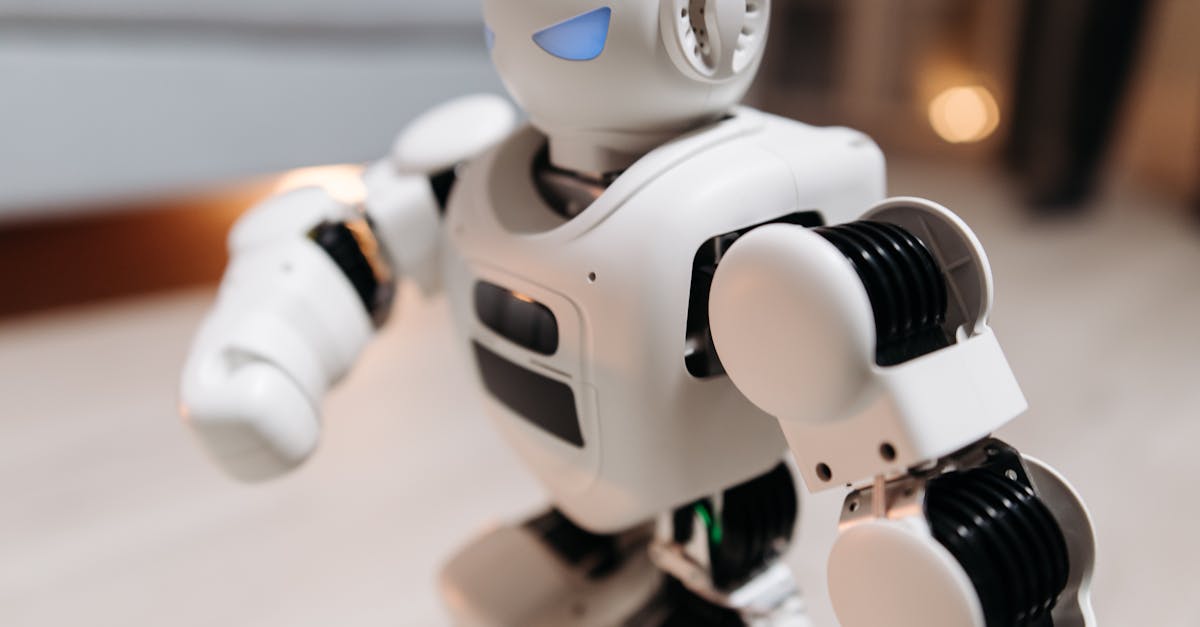
Cooking Robots in India: Shipping Reality vs. Conceptual Arms

Introduction: The State of Automated Cooking
In the rapidly evolving landscape of consumer robotics, the category of "Cooking Robots" sits at a unique intersection of high-end kitchen appliances and general-purpose humanoid systems. For RobotWale.com, the editorial priority is distinguishing between shipping hardware, pilot deployments, and conceptual announcements. This distinction is critical for Indian consumers and investors who often encounter marketing materials that blur the line between a functional appliance and a factory-finished product. This article evaluates three prominent entities—Thermomix, Moley Robotics, and Nymble—against the criteria of shipping status, Indian market availability, and realistic pricing.
The definition of a "cooking robot" varies significantly. On one end, we have automated culinary appliances that execute pre-programmed recipes with integrated heating and mixing. On the other, we have multi-jointed robotic arms capable of manipulating raw ingredients, pots, and utensils in a home environment. While the former is commercially available in India, the latter remains largely in the prototype or early pilot phase. Understanding this distinction prevents the worship of rendered concepts in favor of functional hardware.
Thermomix (Vorwerk): The Shipping Reality
Thermomix, manufactured by Vorwerk International, represents the only category of cooking robotics currently shipping to Indian consumers in significant volumes. The Thermomix TM6 and the newer TM7 models are not humanoid robots but advanced automated kitchen workstations. They feature a motorized bowl, integrated scales, and precise temperature control ranging from 37°C to 160°C.
Hardware Status: Shipping.
India Availability: Direct sales and authorized service centers are present in major Indian metros including Mumbai, Delhi, and Bangalore.
Approximate INR Pricing: The landed cost for a Thermomix TM6 is approximately ₹2,80,000 to ₹3,20,000 depending on the model and accessories. The TM7, with enhanced AI connectivity, commands a premium closer to ₹3,50,000 to ₹4,00,000.
Technical Analysis: The Thermomix operates as a closed-loop system. It does not require external robotic arms to function. Instead, the internal motor manages the stirring, chopping, and heating. For the Indian context, the machine handles liquids and semi-solids well. However, it struggles with complex manual tasks like kneading heavy dough (though it has a specific setting for this) or handling large volumes of spices that require manual intervention before processing.
The value proposition for Indian households is convenience and precision. For a family of four, the ability to steam vegetables, cook rice, or prepare soups without constant supervision is significant. However, it is not a chef. It is a sophisticated appliance. The warranty and service network in India are the primary differentiators compared to import-heavy robotic concepts.
Moley Robotics: The Concept That Lagged Behind
Moley Robotics, based in the United Kingdom, has been one of the most publicized names in the sector. The company announced a humanoid cooking robot designed to replicate human hand movements using dual articulated arms. The device was designed to follow recipes, chop vegetables, and cook meals.
Hardware Status: Pilot / Conceptual. Despite early announcements dating back to 2018, Moley has faced significant delays in mass production. As of late 2024, there is no confirmed data on a mass-market shipping unit to India.
India Availability: None. No authorized distributors or service infrastructure exists.
Approximate INR Pricing: Early quotes suggested a price point of £200,000 to £300,000 (approx. ₹2.2 Crores to ₹3.3 Crores). This price point places it out of reach for the average Indian consumer and restricts it to luxury hospitality or high-net-worth-individual pilot programs.
Technical Analysis: The robot uses a deep-learning framework to observe human chefs and replicate motions. While the demo videos on the Moley Robotics YouTube channel are impressive, the gap between a demo video and a reliable, daily-use kitchen appliance is substantial. Issues with sensor calibration, safety in a home environment, and the cost of replacement parts are significant hurdles. The robot requires a dedicated kitchen setup, not a standard Indian kitchen counter.
For RobotWale.com, the grading for Moley is "Announcements Last". The lack of third-party independent verification of a shipping unit means the claims remain in the realm of potential. Until a unit is delivered to a private user in India with a verified warranty, it remains a concept.
Nymble: The AI-Driven Entrant
Nymble, a US-based robotics startup founded by former DeepMind researchers, has gained traction for its approach to AI-driven cooking. At CES 2024, Nymble revealed a prototype of a cooking robot designed to assist with meal preparation. The system focuses on computer vision and manipulation of kitchen tools.
Hardware Status: Early Prototype / Pilot.
India Availability: None. Nymble is currently focused on the US and European markets.
Approximate INR Pricing: Pricing is not yet public. However, industry estimates for similar dual-arm manipulation systems suggest a landed cost well above ₹5 Lakhs.
Technical Analysis: The Nymble system emphasizes the AI aspect over the mechanical aspect compared to Moley. It aims to understand recipes and adjust cooking parameters dynamically. The "Julia" reference often associated with this category typically refers to the AI interface or specific model iterations within the startup's roadmap. While the technology shows promise, the hardware availability is currently limited to press demos and investor presentations.
For Indian kitchens, the challenge lies in the adaptability to local cookware. Indian cooking often involves traditional utensils like the "kadhai" or specific clay pots. A robot designed for western stainless steel cookware may struggle with the thermal dynamics and weight of Indian traditional cookware.
The Indian Kitchen Context
When evaluating cooking robots for the Indian market, specific constraints must be considered beyond the global specifications.
- Counter Space: Indian homes often have limited kitchen counter space. A dual-arm robot like Moley requires significant clearance. A Thermomix requires only a standard counter depth.
- Spice Handling: Indian cooking involves dry spice roasting and grinding. Automated systems must handle this without clogging. Thermomix has a grinding function, but robotic arms often struggle with powder spillage.
- Voltage and Safety: India operates at 230V. Imported robots must be rated for this voltage. Safety protocols for high-temperature cooking are non-negotiable.
- After-Sales Support: A robot is only useful if it can be repaired. Thermomix has a local service network. Moley and Nymble currently do not.
Editorial Verdict: Shipping Hardware First
The cooking robot market in India is currently bifurcated. On one side, we have the Thermomix, which is a functional, shipping appliance suitable for daily use. It is the only option where the hardware can be purchased today.
On the other side, we have Moley and Nymble. While these entities show innovation, they fall into the "Announcements Last" category. Their claims regarding cooking capabilities are based on prototypes that have not yet transitioned to mass production. For the Indian consumer, waiting for these units to reach the market is a strategic necessity until verified delivery data is available.
The pricing reality for the Indian market is also stark. Even if the hardware arrives, the landed cost will likely exceed ₹2.5 Lakhs for entry-level robotic arms, making them a luxury item rather than a household utility. The value proposition must shift from "saving labor" to "enhancing culinary experience" to justify the cost.
Conclusion
RobotWale.com maintains that the cooking robot category in India is in a transitional phase. Thermomix provides the only verifiable shipping hardware. Moley and Nymble offer compelling concepts but lack the supply chain maturity for the Indian market. Consumers are advised to prioritize warranty and service infrastructure over futuristic features. As of 2024, the only cooking robot that ships to India is the Thermomix. The dual-arm concept remains in the pilot phase.
For investors and tech enthusiasts, the focus should be on monitoring shipping announcements and pilot deployments rather than concept videos. The gap between a demo and a deployed unit is the most critical metric for this industry.
✓ Key takeaways
- •Hands-on view of Cooking Robots in India: Shipping Reality vs. Conceptual Arms inside our Cooking Robots library.
- •Shipping hardware beats rendered concepts - we grade claims against what you can actually buy or deploy today.
- •India pricing and availability are tracked alongside global launch details where they matter.
References
Related articles
More in Cooking Robots →