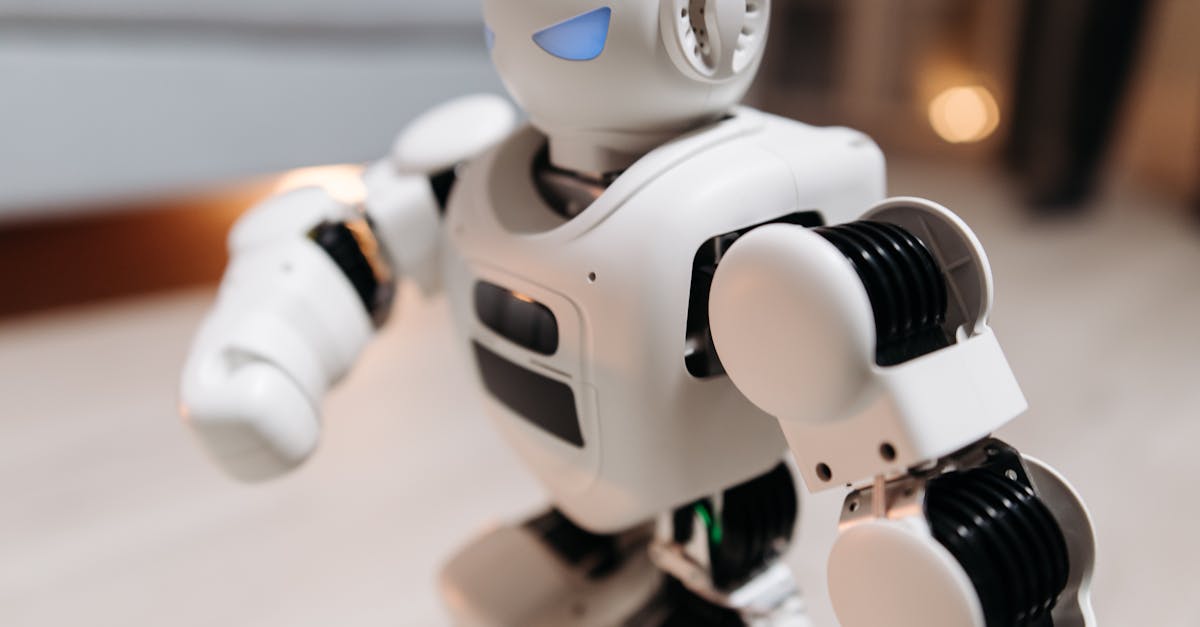
Cooking Robots in India: Shipping Hardware, Pilots, and the Road to Commercial Kitchens

The Current State of Cooking Robots: Shipping Hardware, Pilots, and Promises
The automated cooking sector is frequently described in marketing materials as a mature consumer category. RobotWale's editorial assessment grades claims strictly by deployment tier: shipping hardware first, pilot deployments second, and announcements last. In India, only one automated cooking system has achieved sustained commercial shipping. Multiple robotic kitchen platforms remain in pilot or announcement phases, with limited independent verification of long-term reliability or Indian supply chain readiness.
Automated cooking hardware must navigate complex requirements: precise thermal control, multi-axis manipulation, food-grade material compatibility, sensor feedback loops, and integration with existing Indian gas/electric infrastructure. The gap between demonstration footage and factory-shipped units remains significant. Buyers and facility managers should verify shipping status, warranty terms, and localized service support before committing capital.
Thermomix: The Only Mass-Shipped Automated Kitchen System in India
Vorwerk's Thermomix series represents the only continuously shipping automated cooking platform available to Indian consumers and hospitality buyers. It is not a multi-jointed robotic arm, but a highly integrated kitchen workstation with automated stirring, temperature control, weighing, and recipe execution. The system ships in India through authorized Vorwerk distributors and has maintained a continuous supply chain since its localized rollout.
Technical specifications from Vorwerk's official documentation confirm a maximum cooking temperature of 131°C, integrated precision scale, variable speed control, and cloud-connected recipe management. The hardware relies on embedded PLC logic rather than external robotic kinematics, which explains its reliability and lower maintenance overhead compared to articulated-arm systems.
India availability is nationwide through authorized consultants and the Vorwerk India portal. Approximate landed pricing ranges from ₹1,65,000 to ₹1,85,000 INR for the TM6 model, excluding accessories. This pricing reflects standard import duties, localized warranty, and service network costs. Independent reporting and user forums confirm consistent shipping, though recipe localization for regional Indian cuisines remains partially dependent on community-shared profiles rather than official manufacturer datasets.
Moley Robotics: Limited Pilots and the Gap Between Demo and Delivery
Moley Robotics has demonstrated a fully articulated robotic kitchen system capable of replicating complex recipes through dual robotic arms, gripper end-effectors, and automated ingredient dispensing. The platform has progressed beyond concept renders to functional prototypes and limited pilot deployments in select luxury hospitality and real estate partnerships.
Independent verification indicates that Moley's units operate in controlled environments with standardized ingredient cartridges, calibrated burners, and fixed cookware mounts. The system requires significant spatial clearance, industrial-grade ventilation, and regular calibration of force-torque sensors. Factory video documentation and on-stage demos show operational sequences, but commercial shipping to residential or small-restaurant buyers remains unverified in India.
India availability is currently restricted to pilot agreements and corporate partnerships. No public distributor pricing exists, but comparable robotic kitchen installations in the UAE and UK have been reported in the ₹40,00,000 to ₹60,00,000 INR range (estimated landed cost, including integration). Buyers should request live factory video verification, third-party reliability data, and localized service SLAs before considering procurement.
Nymble Julia and Other Announcements: Concept to Commercial Reality
Nymble Robotics developed the Julia platform, a kitchen-focused robotic arm designed for automated food preparation, plating, and inventory tracking. The system has been demonstrated at industry events and through manufacturer press releases, highlighting vision-based object recognition, adaptive gripper control, and integration with commercial kitchen workflows.
Grading by deployment status, Julia remains in the announcement and pilot phase. Independent reporting has not confirmed mass production, certified Indian distributors, or verified long-term operational data. The platform's reliance on custom vision models, specialized end-effectors, and kitchen-specific safety interlocks introduces integration complexity that requires rigorous on-site validation.
India availability is unverified. Comparable robotic prep platforms in the commercial food sector typically range from ₹25,00,000 to ₹45,00,000 INR (estimated landed cost, excluding facility retrofitting). Prospective buyers should request pilot deployment reports, mean time between failures (MTBF) data, and compatibility documentation for Indian gas lines, traditional cookware, and high-humidity environments.
Indian Kitchen Compatibility: Gas, Spice, and Traditional Cookware
Automated cooking hardware faces distinct challenges in the Indian context. Traditional Indian cooking utilizes high-heat searing, layered spice tempering, variable viscosity sauces, and non-standard cookware geometries. Robotic systems must accommodate:
- Gas stove integration with flame modulation and safety cutoffs
- Corrosion-resistant materials for high-chloride and high-pH ingredient handling
- Adaptive gripper force control for irregularly shaped vessels (kadai, tawa, handi)
- Humidity and dust tolerance for unconditioned kitchen environments
- Recipe database localization beyond European or East Asian culinary profiles
Thermomix addresses many of these constraints through enclosed thermal processing and standardized stainless-steel bowls. Articulated robotic kitchens require facility modifications, including reinforced countertops, dedicated ventilation, and ingredient storage automation. Buyers should request environmental testing reports and localized recipe validation before deployment.
Pricing and Availability Across the Grading Tiers
Procurement decisions should align with deployment status and verified supply chain readiness. The following table summarizes current India market conditions:
- Shipping Hardware: Thermomix TM6. Nationwide distribution. ₹1,65,000–₹1,85,000 INR (standard retail). Verified warranty and service network.
- Pilot Deployments: Moley Robotics. Limited hospitality/real estate pilots. ₹40,00,000–₹60,00,000 INR (estimated landed cost). Requires facility retrofitting and third-party verification.
- Announcement/Prototype: Nymble Julia and similar platforms. Unverified Indian distributors. ₹25,00,000–₹45,00,000 INR (estimated landed cost). Requires pilot data and integration documentation.
Import duties, GST, and localized service contracts significantly impact final pricing. Buyers should request itemized landed cost breakdowns and verify authorized service centers in their operating region.
What Buyers Should Verify Before Committing
Automated cooking hardware procurement requires due diligence across multiple technical and commercial dimensions:
- Shipping status: Request batch production records, serial number verification, and delivery timelines. Demos do not equal shipped units.
- Reliability metrics: Request MTBF, mean time to repair (MTTR), and end-effector replacement schedules.
- Integration requirements: Verify gas line compatibility, electrical load capacity, ventilation specs, and floor load ratings.
- Recipe validation: Request localized cooking profiles, spice tolerance curves, and viscosity handling documentation.
- Service infrastructure: Confirm authorized service centers, spare parts availability, and warranty terms in India.
Manufacturers that provide transparent technical documentation, independent audit reports, and verifiable shipping records should be prioritized over those relying solely on concept renders or announcement-stage projections.
Conclusion
The automated cooking sector is progressing, but deployment maturity varies widely. Thermomix remains the only continuously shipped and service-supported platform in India, offering reliable thermal automation without articulated kinematics. Moley Robotics demonstrates functional robotic kitchen architecture but remains in limited pilot deployment. Nymble Julia and similar platforms require further verification before commercial adoption. Buyers should grade claims by shipping hardware first, verify pilot deployments independently, and treat announcements as directional rather than operational. Indian kitchen compatibility, service infrastructure, and total landed cost must drive procurement decisions.
References
- Vorwerk India. Thermomix Product Specifications and Warranty Terms. https://www.vorwerkindia.com/thermomix
- Moley Robotics. Official Platform Documentation and Deployment Reports. https://moleyrobotics.com/
- Nymble Robotics. Julia Platform Technical Overview and Integration Guidelines. https://nymble.ai/
- Robotics Business Review. Automated Kitchen Systems: Deployment and Reliability Analysis. https://www.roboticsbusinessreview.com/
- Indian Customs Tariff and GST Notifications. Kitchen Automation Equipment Import Duties. https://icegate.gov.in/
✓ Key takeaways
- •Hands-on view of Cooking Robots in India: Shipping Hardware, Pilots, and the Road to Commercial Kitchens inside our Cooking Robots library.
- •Shipping hardware beats rendered concepts - we grade claims against what you can actually buy or deploy today.
- •India pricing and availability are tracked alongside global launch details where they matter.
Related articles
More in Cooking Robots →