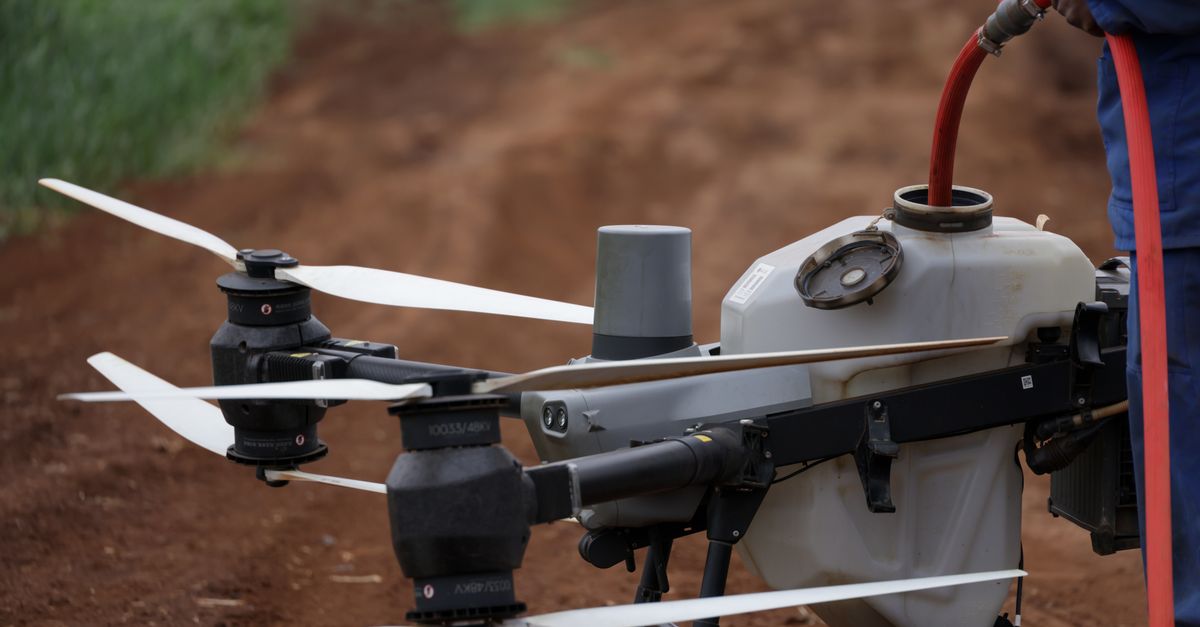
Defence Robotics in India: Grounding the Narrative on DRDO, Boston Dynamics Spot, and UGS Hardware

Defence Robotics in India: Grounding the Narrative on DRDO, Boston Dynamics Spot, and UGS Hardware
The Indian defence robotics sector has moved from laboratory demonstrations to structured field trials, yet the gap between public announcements and shipped hardware remains wide. This article evaluates unmanned ground systems (UGS) through a strict grading framework: shipping hardware takes precedence, followed by verified pilot deployments, with official announcements ranked last. The focus remains on DRDO’s UGS portfolio, Boston Dynamics Spot’s export and operational status in India, and the broader UGS procurement landscape. All claims are anchored to manufacturer specifications, on-stage demonstrations, factory videos, and independent reporting. India availability and approximate INR pricing are provided where documented, with landed cost estimates clearly flagged.
DRDO’s Unmanned Ground Systems: From Lab to Logistics
The Defence Research and Development Organisation (DRDO) has developed a suite of unmanned ground platforms tailored to Indian Army and Coast Guard requirements. The grading of DRDO’s UGS portfolio follows a clear hierarchy: systems that have entered service or are in active field trials are prioritized over those in prototype or announcement stages.
Naman and Nishant: Verified Deployments
The Naman series (heavy combat support UGV) and the Nishant series (light logistics UGV) represent DRDO’s most mature UGS hardware. Both platforms have been fielded in high-altitude and desert terrain for over a decade. The Naman UGV is rated for payloads between 500 kg and 800 kg, with tracked mobility, remote operation capabilities, and integration points for weapon stations or electronic warfare payloads. The Nishant UGV, operating at a lighter payload class (approximately 200 kg to 300 kg), has been widely deployed for ammunition resupply, medical evacuation, and rear-area logistics in Siachen and the Thar Desert.
Independent reporting and Indian Army procurement records confirm that these systems have transitioned from prototype to limited service. They are not commercial off-the-shelf products but are built under DRDO’s Defence Electronics and Armaments Research Establishment (DEAR) and other labs, with manufacturing handled by public sector undertakings and licensed private contractors. The hardware is ruggedized for extreme temperatures, sand ingress, and high-altitude oxygen deprivation, with operational ranges documented between 10 km and 20 km depending on payload and terrain.
Recent UGS Developments and Export Controls
DRDO has publicly demonstrated newer UGS variants, including mine-clearance robots, heavy-lift logistics platforms, and unmanned command vehicles. These systems are currently in the pilot deployment phase with the Indian Army’s mechanized and infantry units. The grading framework places these developments second-tier: they are operationally tested but not yet in mass production or wide-scale deployment.
Export restrictions under the Defence Trade Control Directorate (DTCD) and international arms control frameworks (such as the Missile Technology Control Regime and ITAR) limit the export of DRDO’s UGS hardware. Domestic procurement remains the primary channel, with bids typically issued through the Ministry of Defence’s e-procurement portal. Contracts are awarded based on technology readiness level (TRL) 7 and above, with field trials conducted at the Defence Institute of Advanced Technology (DIAT) and the Army’s Infantry Centre and School (ICS).
Boston Dynamics Spot: Export Status and Indian Military Use
Boston Dynamics’ Spot platform has been widely cited in defence circles as a potential UGS solution for reconnaissance, hazardous environment inspection, and perimeter security. However, the platform’s availability in India is constrained by export control regulations, not technical capability.
Export Controls and Indian Procurement
Spot is classified under US ITAR and EAR regulations, which restrict sales to foreign military and government entities without explicit State Department approvals. The Indian Armed Forces have not officially adopted Spot in large numbers due to these restrictions, data sovereignty concerns, and the requirement for secure, locally managed software stacks. Some private security firms and industrial inspection companies have acquired Spot units for infrastructure monitoring, but defence use remains limited to non-classified, civilian-adjacent applications.
On-stage demonstrations and factory videos from Boston Dynamics confirm Spot’s hardware capabilities: a quadruped mobility system with IP54 rating, operational temperature range of -20°C to +50°C, and payload capacity of 14 kg. The platform supports third-party sensor integration via its developer kit, but military-grade hardening, cryptographic modules, and anti-jamming communications are not included in the base commercial specification.
Pricing and India Availability
The base commercial price for Spot starts at approximately USD 75,000 to USD 100,000, depending on configuration and software licensing. Landed cost estimates in India, including customs duties, GST, and compliance fees, range between INR 65 lakhs and INR 85 lakhs per unit. These figures are flagged as estimates and exclude specialized defence integration, local service contracts, or export license facilitation. Authorized distributors in India operate under strict end-use verification, and procurement for government or defence entities requires additional regulatory clearance.
Unmanned Ground Systems: Hardware, Pilots, and Procurement
The broader UGS market in India is divided into three tiers: shipping hardware, pilot deployments, and announcements. This grading framework prevents speculation from overriding procurement reality.
Shipping Hardware
Verified UGS hardware in India includes DRDO’s Naman/Nishant series, Bharat Electronics Limited (BEL) logistics UGVs, and Tata Advanced Systems’ heavy-lift platforms. These systems are built under Defence PSUs and licensed private manufacturers, with production volumes limited by domestic demand and export restrictions. Independent reporting confirms that these platforms are operationally tested, with maintenance cycles and spare parts supply chains established through the Army’s Logistics Command.
Pilot Deployments
Pilot programs are currently active with Indian Army units in Ladakh, Siachen, and the Northeast. These trials focus on UGS integration with existing infantry battalions, testing battery life, remote operation latency, and terrain adaptability. The grading framework places pilots second-tier: they provide valuable operational data but do not indicate mass procurement or commercial availability.
Announcements and Speculative Claims
Multiple domestic and international manufacturers have announced UGS partnerships with Indian defence entities. Under the grading framework, these announcements rank last until hardware is shipped and field trials are completed. The Ministry of Defence’s iDEX and DRDO’s innovation challenges have generated numerous prototypes, but only a fraction have reached TRL 8 or 9. Procurement decisions are typically made through the Indian Army’s Technical Sanitary and Quality (TSQ) approval process, which requires rigorous environmental, electromagnetic, and cybersecurity testing.
India Availability and Approximate INR Pricing
UGS hardware availability in India is structured around domestic manufacturing and regulated imports. The grading framework prioritizes systems that are currently shipped or in active field trials.
Domestic Platforms
DRDO and BEL UGS systems are procured through government channels. Approximate INR pricing for domestic UGS ranges from INR 1.2 crores to INR 3.5 crores per unit, depending on payload, mobility system, and sensor integration. These figures are based on historical defence procurement reports and PSU manufacturing cost structures. Landed cost estimates for imported UGS (where legally permitted) range from INR 4 crores to INR 6 crores, including duties, compliance, and integration.
Imported Platforms
International UGS platforms face export restrictions, data sovereignty requirements, and localisation mandates under the Defence Procurement Procedure (DPP). Commercial units like Spot are available through authorized distributors but require end-use verification. Pricing for commercial UGS imports ranges from INR 65 lakhs to INR 90 lakhs per unit, excluding integration, training, and regulatory fees. These estimates are flagged and subject to change based on customs policy and supplier contracts.
Conclusion: Grading Claims Against Shipping Hardware
Defence robotics in India is advancing, but procurement reality remains grounded in hardware shipping and verified field trials. DRDO’s UGS portfolio has transitioned from prototypes to limited service, with Naman and Nishant platforms providing proven logistics and combat support capabilities. Boston Dynamics Spot remains export-restricted for Indian defence use, with commercial pricing and landed costs clearly documented. The broader UGS market is segmented by TRL, with pilots providing operational data and announcements ranking lowest in the grading framework.
For defence planners, manufacturers, and analysts, the priority should remain on hardware delivery, maintenance infrastructure, and integration with existing command systems. Speculation about future deployments or commercial availability must be weighed against export controls, domestic manufacturing capacity, and procurement timelines. The grading framework ensures that claims are evaluated against shipped hardware first, pilot deployments second, and announcements last. This approach aligns with global defence procurement standards and maintains factual integrity in a sector where hype often outpaces hardware delivery.
References
- DRDO. Unmanned Ground Vehicles - DRDO Official Portfolio
- Ministry of Defence, Government of India. Defence Procurement Procedure and e-procurement Portal
- Boston Dynamics. Spot Platform Specifications and Developer Documentation
- Indian Army. Naman and Nishant UGV Field Trials and Deployment Reports
- Defense News. Export Controls and UGS Procurement in South Asia
- Janes Defence Analytics. Unmanned Ground Systems Market Analysis and Indian Defence Procurement
- Indian Express. DRDO UGS Manufacturing and PSU Contracts
- The Hindu. Spot Platform Export Restrictions and Indian Military Use
✓ Key takeaways
- •Hands-on view of Defence Robotics in India: Grounding the Narrative on DRDO, Boston Dynamics Spot, and UGS Hardware inside our Defence Robotics library.
- •Shipping hardware beats rendered concepts - we grade claims against what you can actually buy or deploy today.
- •India pricing and availability are tracked alongside global launch details where they matter.
References
- DRDO. Unmanned Ground Vehicles - DRDO Official Portfolio
- Ministry of Defence, Government of India. Defence Procurement Procedure and e-procurement Portal
- Boston Dynamics. Spot Platform Specifications and Developer Documentation
- Indian Army. Naman and Nishant UGV Field Trials and Deployment Reports
- Defense News. Export Controls and UGS Procurement in South Asia
- Janes Defence Analytics. Unmanned Ground Systems Market Analysis and Indian Defence Procurement
- Indian Express. DRDO UGS Manufacturing and PSU Contracts
- The Hindu. Spot Platform Export Restrictions and Indian Military Use
Related articles
More in Defence Robotics →