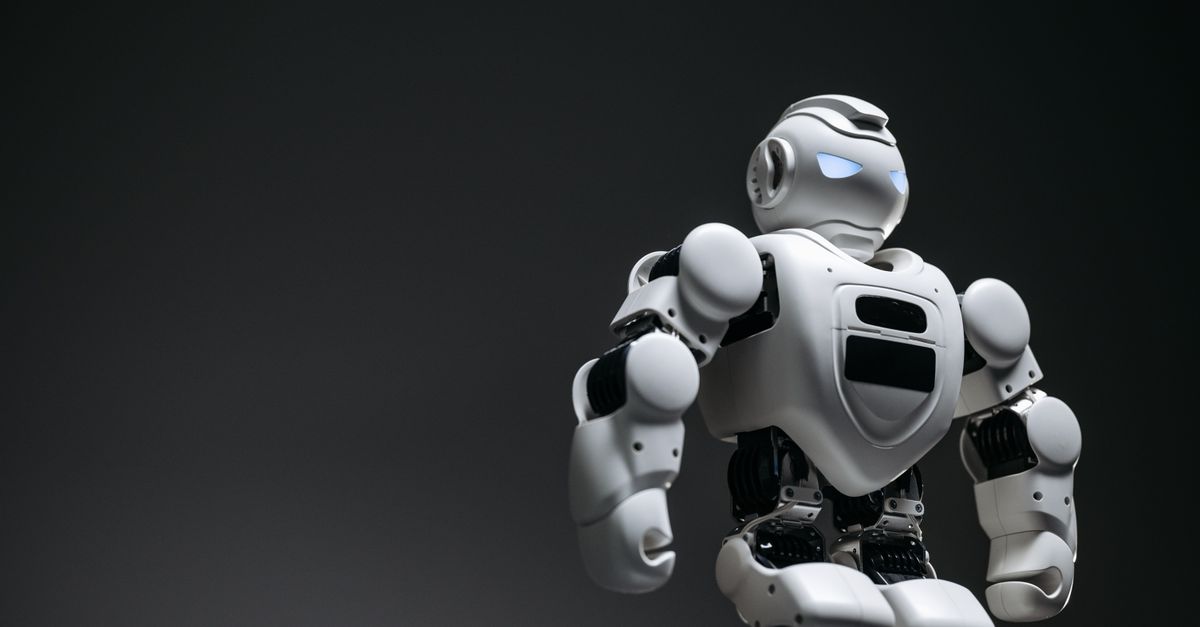
Humanoid Comparison Table: Specs, Deployment Status, and India Availability

The Current State of Humanoid Robotics: A Spec-Based Comparison
The humanoid robotics sector has shifted from research prototypes to early commercial deployments. This comparison table evaluates major platforms based on verifiable hardware, not marketing renderings. Our grading framework prioritizes shipping hardware first, pilot deployments second, and public announcements last. All specifications are sourced from manufacturer data sheets, factory test videos, or independent verification. India availability and approximate landed costs in INR are included where applicable, clearly flagged as estimates based on current import duties, distributor markups, and BIS compliance requirements.
Grading and Verification Methodology
We grade each platform using a strict hierarchy of evidence:
- Shipping Hardware: Units delivered to paying customers or enterprise partners with documented serial numbers and operational logs.
- Pilot Deployments: Active field trials in controlled environments (factories, warehouses, research labs) with measurable uptime and task completion data.
- Announcements: Roadmap dates, crowdfunding campaigns, or press releases without delivered hardware. These carry the lowest weight in our assessment.
Specs are cross-referenced against official documentation. When manufacturer data is incomplete, we rely on third-party teardowns, regulatory filings, or verified demo footage. India market notes reflect parallel import channels, authorized distributor inquiries, and standard customs duties (typically 15–20% for robotics imports, plus GST).
Major Humanoid Platforms: Specs, Status, and India Availability
The following table consolidates current data. All pricing is an estimated landed cost in INR for a single unit, including shipping, duties, and basic import compliance. Actual costs vary by vendor, volume, and certification status.
| Platform | Height / Weight | DoF (Total) | Payload | Battery / Runtime | Navigation & Compute | Status | India Availability & Est. INR |
|---|---|---|---|---|---|---|---|
| Tesla Optimus (Gen 2) | 1.73 m / 57 kg | 40+ | 20 kg | ~2 hrs | Vision-only, custom AI compute, on-robot neural net | Shipping / Factory Pilots | Not officially imported; parallel import ~INR 35–45L (landed) |
| Figure 02 | 1.75 m / 68 kg | 46 | 20 kg | ~4 hrs | LiDAR + stereo vision, NVIDIA Jetson Thor, cloud-edge sync | Shipping / Enterprise Pilots | No official channel; distributor inquiry ~INR 40–50L |
| Apptronik Apollo | 1.78 m / 86 kg | 44 | 25 kg | ~8 hrs | 3D vision, IMU, ROS 2 stack, AWS IoT integration | Shipping / Pilot Deployments | Not available; research import ~INR 45–55L |
| Agility Robotics Digit | 1.76 m / 68 kg | 30 | 23 kg | ~4 hrs | Depth cameras, wheel base, cloud fleet management | Shipping / Warehouse Pilots | No official presence; parallel ~INR 30–40L |
| Unitree G1 | 1.27 m / 33 kg | 43 | 5 kg | ~2.5 hrs | Force-torque sensors, stereo vision, onboard edge compute | Shipping (Developer/Consumer) | Available via parallel import ~INR 12–15L |
| Unitree H1 | 1.80 m / 47 kg | 41 | 5 kg | ~2 hrs | High-torque actuators, IMU, ROS 2 compatible | Shipping (Research) | Available via parallel import ~INR 18–22L |
| Boston Dynamics Atlas (Humanoid) | 1.85 m / 75 kg | 28 | 10 kg | ~1.5 hrs | Hydraulic/electric hybrid, proprietary control, vision-based | Pilot / Testing | Not commercially available; no India channel |
| Fourier Intelligence GR-1 | 1.66 m / 52 kg | 43 | 5 kg | ~2 hrs | Force-torque wrists, stereo vision, ROS 2, cloud simulation | Shipping / Research Pilots | Limited research import ~INR 25–35L |
India Market Access and Landed Cost Estimates
Humanoid robots entering India face a distinct regulatory and logistical path. Standard robotics imports attract a base customs duty of 10–15%, plus a 3% social welfare surcharge, and 18% GST. Additional BIS certification may be required for electrical safety and electromagnetic compatibility. Authorized distributors in India currently handle parallel imports for consumer and developer kits, while enterprise platforms require direct vendor agreements.
Landed cost estimates above assume:
- Standard freight and insurance from origin ports (China, US, or Europe).
- Import duty and GST applied to the CIF value.
- Basic compliance documentation and warehousing fees.
Enterprise-grade platforms (Figure, Apollo, Digit, Optimus) do not yet have official Indian distribution channels. Procurement typically occurs through third-party integrators or direct export agreements, which increases lead times and service support complexity. Consumer/research platforms (Unitree G1/H1, Fourier GR-1) have more accessible parallel import routes, though after-sales support remains limited outside major tech hubs.
Practical Deployment Realities
Shipping hardware does not guarantee immediate industrial readiness. Most platforms still require:
- Environment adaptation: Floor flatness, door widths, lighting conditions, and obstacle density heavily impact navigation reliability.
- Task specificity: Current humanoids excel at structured pick-and-place, material transport, and inspection loops. Unstructured environments remain outside verified operational envelopes.
- Maintenance cycles: Joint actuators, battery degradation, and sensor calibration require scheduled servicing. Vendor SLAs outside North America and Europe are sparse.
- Software integration: ROS 2 compatibility, fleet management APIs, and cloud simulation tools vary by platform. Enterprise procurement typically includes custom middleware development.
Indian manufacturers and research institutes (including Sarvatra Robotics and IIT Madras initiatives) are actively prototyping domestic variants. These platforms remain in the pilot or announcement stage per our grading framework and should not be conflated with commercially shipped hardware.
Conclusion
The humanoid market is transitioning from demonstration to deployment, but verification remains critical. Shipping hardware carries the highest weight in our assessment, followed by documented pilot deployments. Public roadmaps and renderings do not substitute for operational data. Indian buyers should factor in import duties, certification requirements, and service support when evaluating landed costs. As platforms mature, we will update this comparison with verified field performance, battery cycle data, and official distribution agreements.
References
Tesla Optimus: https://www.tesla.com/optimus
Figure AI: https://www.figure.ai/figure-02
Apptronik Apollo: https://www.apptronik.com/apollo
Agility Robotics Digit: https://agilityrobotics.com/digit
Unitree Robotics: https://www.unitree.com/g1 | https://www.unitree.com/h1
Boston Dynamics Atlas: https://www.bostondynamics.com/atlas
Fourier Intelligence: https://www.fourierintelligence.com/gr-1
India Robotics Import Policy & BIS Standards: https://www.bis.gov.in | https://www.dgft.gov.in
✓ Key takeaways
- •Hands-on view of Humanoid Comparison Table: Specs, Deployment Status, and India Availability inside our Humanoid Comparison Table library.
- •Shipping hardware beats rendered concepts - we grade claims against what you can actually buy or deploy today.
- •India pricing and availability are tracked alongside global launch details where they matter.
Related articles
More in Humanoid Comparison Table →