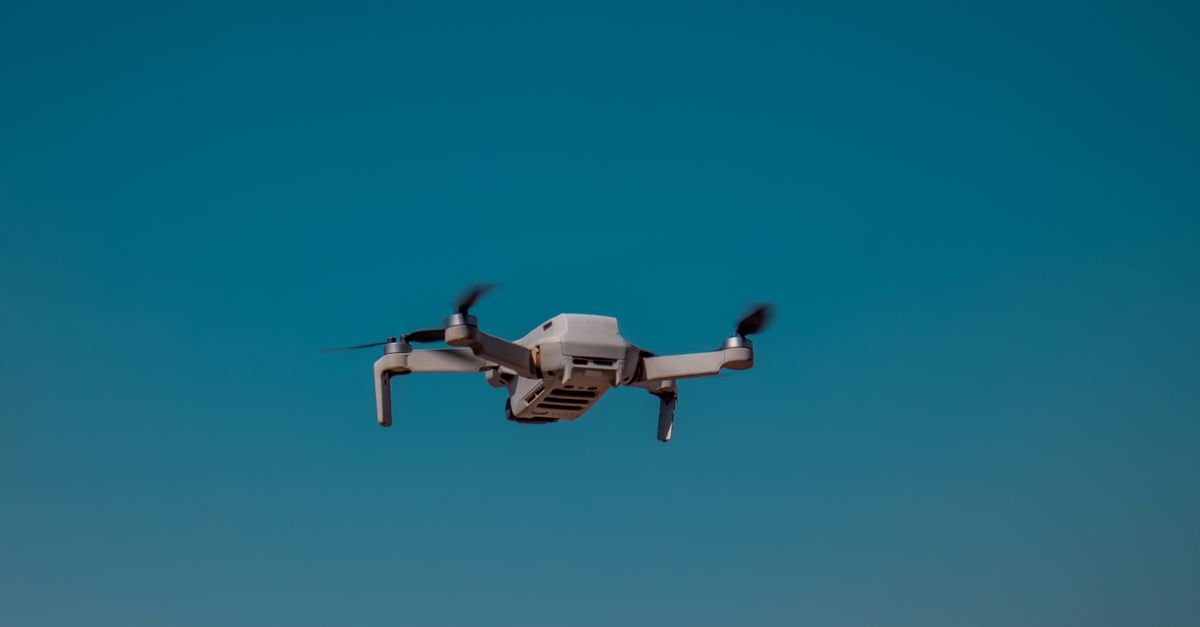
DGCA Drone Rules Explained: Compliance, Licensing, and Operational Framework in India

Introduction to the Regulatory Framework
India’s regulatory landscape for unmanned aerial systems (UAS) has undergone a significant transformation in recent years. Historically, the airspace was heavily restricted, requiring complex permissions for even basic flight operations. Under the current framework, the Directorate General of Civil Aviation (DGCA), operating under the Ministry of Civil Aviation (MoCA), administers the Drone Rules 2021. These rules represent a shift from a restrictive approach to a facilitative one, aiming to boost the drone ecosystem while maintaining national security and public safety.
The policy framework is designed to support the growth of the domestic drone manufacturing industry, which is incentivized through the Production Linked Incentive (PLI) scheme. For operators, whether they are deploying logistics drones for delivery or agricultural sprayers for farming, compliance is mandatory. Failure to adhere to the Digital Sky Platform protocols can result in penalties, seizure of equipment, or legal action. This article clarifies the key provisions, licensing structures, and operational constraints defined by the DGCA.
The Drone (Removal of Prohibition on Use) Rules, 2021
The cornerstone of the current regulatory regime is the Drone (Removal of Prohibition on Use) Rules, 2021. Replacing the 2014 rules which were deemed too restrictive, the 2021 notification decriminalized the use of drones for civil purposes. It introduced a simplified framework for licensing and registration. The rules categorize drones into Nano, Micro, Small, Medium, and Large categories, with varying permissions for each class.
Crucially, the rules prohibit the use of drones for recreational activities without registration. However, a significant relaxation was introduced regarding the registration of Nano drones. As per recent amendments, Nano drones weighing less than 250 grams do not require registration, provided they are used within approved zones. This distinction allows hobbyists and small enterprise users to operate without the administrative burden of full registration, provided they do not exceed weight limits.
All other categories – Micro (250g to 2kg), Small (2kg to 25kg), Medium (25kg to 150kg), and Large (above 150kg) – must be registered on the Digital Sky Platform. The registration process links the Unique Identification Number (UIN) of the drone to the owner’s identity. This creates a traceable record for security purposes, ensuring that every active drone in the Indian airspace is accounted for by regulatory authorities.
Operational Zones and Safety Perimeters
The DGCA has mapped the entire country into three operational zones: Green, Yellow, and Red. This classification dictates where a drone can be flown without requiring additional permission beyond the standard license.
- Green Zone: This includes areas where flying is permitted without additional permission from the Airports Authority of India (AAI) or the Ministry of Defence. These zones are typically outside the perimeter of airports and military installations. Operators can fly a registered drone in these zones subject to the operational limits of their Remote Pilot License (RPL).
- Yellow Zone: These areas require permission from the DGCA. Flying in these zones is permitted only after receiving specific authorization. This often applies to areas with moderate security concerns or proximity to restricted infrastructure.
- Red Zone: These are prohibited areas where drone flights are strictly banned. This includes military bases, important government buildings, and areas near airports. Flying in these zones without explicit permission from the Ministry of Defence is a punishable offense under the Aircraft Act.
Operators must consult the Digital Sky Platform map to verify the zone classification before any flight. The map is dynamic and can change based on security alerts or temporary restrictions, such as during national elections or major public events. The requirement for geofencing is mandatory; drones must be equipped with software that prevents them from entering restricted zones automatically.
Licensing and Training Requirements
For those operating Commercial Drones, the regulations mandate a Remote Pilot License (RPL). The DGCA has partnered with authorized training organizations (ATOs) to conduct training and issue licenses. The training curriculum covers air traffic regulations, meteorology, and emergency procedures.
The licensing process is tiered based on the drone category. For example, a license for operating a Nano drone is simpler than one for a Large drone capable of carrying heavy payloads. Operators must possess a valid RPL to fly drones weighing more than 250 grams. The license is valid for a specific period and requires renewal.
Additionally, the Drones Rules 2021 mandate that the operator must have a valid insurance policy. Third-party liability insurance is mandatory to cover damages caused to people or property on the ground. The minimum coverage amount has been defined to ensure financial responsibility. This shift places the burden of risk management on the operator rather than the state.
Training costs in India vary by institute. A typical RPL course for small drones ranges from INR 25,000 to INR 40,000. For larger, more complex aircraft, training and licensing fees can exceed INR 1,00,000. These costs are part of the compliance overhead that businesses must factor into their operational budgets.
Import Restrictions and Domestic Manufacturing
To protect the domestic ecosystem, the DGCA has aligned drone regulations with the Import Policy. Under the 2021 rules, the import of drones is restricted unless they comply with specific safety standards. The government has also introduced a ban on the import of certain drone components to encourage local manufacturing.
The PLI scheme aims to boost local manufacturing capacity. Manufacturers must register on the Digital Sky Platform and obtain a Unique Identification Number (UIN) for each unit they produce. This ensures that every drone sold in India meets the safety and performance standards set by the DGCA. Importers must verify that the drones they bring into the country are compliant with the Indian Standards (IS) before clearing customs.
For importers, the cost of compliance includes testing fees at authorized laboratories in India. These labs assess whether the drone meets the electromagnetic compatibility and safety requirements. The landed cost of a compliant drone can be higher than the ex-works price due to these regulatory costs. Businesses must budget for the certification process, which can take several weeks.
Cost Implications and Compliance Fees
Operating a drone business in India involves several direct costs beyond the hardware purchase. The regulatory framework imposes a fee structure for registration, licensing, and flight permissions.
- Registration Fees: Each drone requires a UIN. The processing fee for UIN issuance is nominal but mandatory. For a fleet of 50 drones, this becomes a recurring administrative cost.
- Licensing Fees: The fee for issuing an RPL is approximately INR 5,000. This is per pilot, not per drone. However, if a pilot flies multiple types of aircraft, additional endorsements may be required.
- Insurance: Third-party liability insurance is mandatory. Premiums vary based on the drone’s weight and payload capacity. For a commercial delivery drone, annual premiums can range from INR 10,000 to INR 50,000 depending on the risk profile.
- No Permission No Takeoff (NPNT): The NPNT protocol requires operators to log flight plans on the Digital Sky Platform at least 24 hours before the flight. This system requires internet connectivity and digital literacy, which can be a barrier in remote areas.
While the government has relaxed some rules to encourage adoption, the compliance cost remains a significant factor for startups. Small operators must weigh the cost of registration and insurance against the potential revenue from drone services. The regulatory burden is lighter for hobbyists but steepens significantly for commercial logistics providers.
Conclusion
The DGCA’s Drone Rules 2021 provide a clear roadmap for the operation of unmanned aerial systems in India. By mandating registration, licensing, and insurance, the framework ensures accountability and safety. The integration of the Digital Sky Platform centralizes these requirements, reducing the administrative burden compared to the previous fragmented system.
For the robotics industry in India, these rules are critical. As humanoids and autonomous ground vehicles gain traction, the principles of airspace regulation and safety compliance established for drones will likely serve as a blueprint for future autonomous mobility. Operators must stay updated with the latest amendments from the Ministry of Civil Aviation to avoid compliance penalties.
The transition from a restrictive regime to a facilitative one signals India’s intent to become a hub for drone manufacturing and services. However, the regulatory framework remains strict regarding security and safety. Stakeholders must prioritize compliance to ensure sustainable operations in the Indian market.
References
- Ministry of Civil Aviation – Drone Rules 2021: https://www.mca.gov.in/Ministry/drone_rules_2021
- DGCA – Digital Sky Platform: https://drone-digital.gov.in/
- DGCA – Remote Pilot License Guidelines: https://www.dgca.gov.in/
- Press Information Bureau – Drone Manufacturing Policy: https://pib.gov.in/PressReleasePage.aspx?PRID=1706410
✓ Key takeaways
- •Hands-on view of DGCA Drone Rules Explained: Compliance, Licensing, and Operational Framework in India inside our DGCA Drone Rules library.
- •Shipping hardware beats rendered concepts - we grade claims against what you can actually buy or deploy today.
- •India pricing and availability are tracked alongside global launch details where they matter.
References
Related articles
More in DGCA Drone Rules →