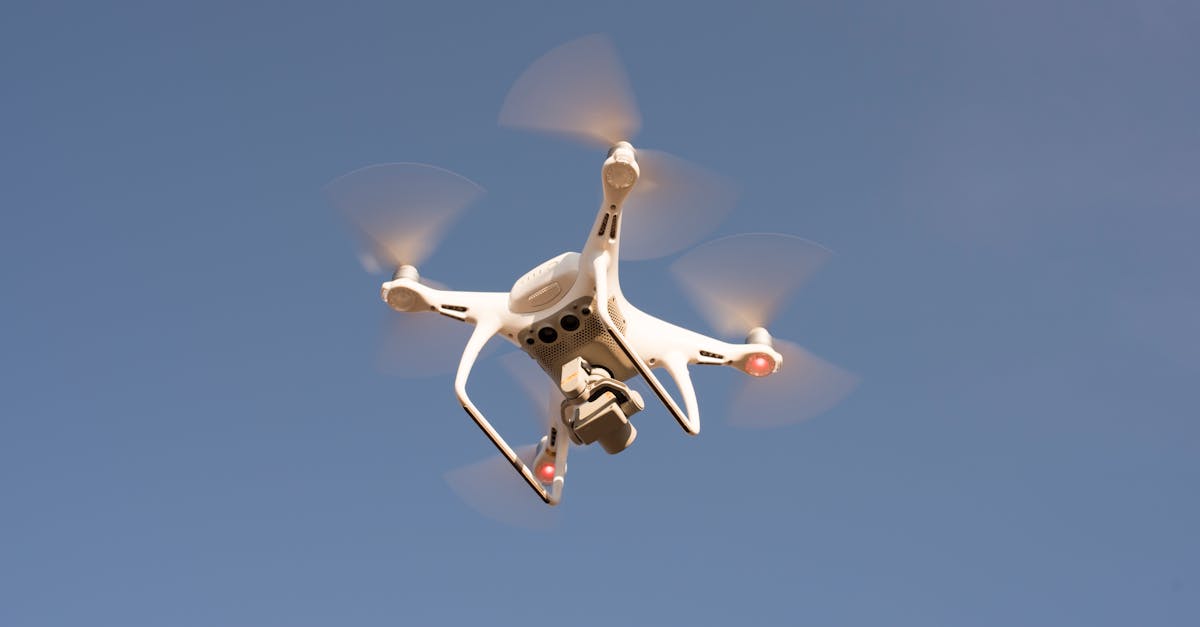
India’s Drone Regulatory Framework: Navigating DGCA Compliance in 2024

India’s Drone Regulatory Framework: Navigating DGCA Compliance in 2024
India’s aviation landscape has undergone a significant transformation with the introduction of the Drone Rules, 2021. Administered by the Directorate General of Civil Aviation (DGCA), these regulations aim to simplify the ecosystem while ensuring safety and security. For robotics enthusiasts, startups, and commercial operators alike, understanding these rules is not optional—it is a prerequisite for legal operation. Unlike speculative news often found in tech media, this analysis focuses on the actual regulatory text and the operational requirements enforced on the ground.
The shift from the 2016 Rules to the 2021 framework marked a pivot from heavy restriction to a “light, but compliant” approach. The DGCA, in collaboration with the Ministry of Civil Aviation (MoCA), established a digital-first infrastructure to manage approvals. This article breaks down the current regulatory environment, the costs involved, and the practical steps required to operate drones legally within Indian territory.
The Digital Sky Platform: The Core of Compliance
At the heart of the new regulatory regime is the Digital Sky Platform (DSP). Launched in phases starting in 2021, the DSP is a unified portal where all drone-related activities are managed. This includes drone registration, license issuance, and no-fly zone clearance. The government’s objective was to reduce the time taken for approvals from weeks to minutes.
Operators must register their drones on the Digital Sky Portal before flying. This registration is mandatory for all drones except those strictly defined as “Nano” drones, which are exempt from registration but still require adherence to safety norms. The process involves uploading the drone’s unique Identification Number (UID) and proof of ownership. For commercial entities, the Digital Sky Portal also serves as the interface for requesting permission for specific flights, particularly those beyond Visual Line of Sight (BVLOS).
The platform has undergone several iterations. As of 2024, the portal integrates with the National Register of Drones, allowing authorities to track aircraft in real-time. This is critical for security, especially in sensitive areas like nuclear installations, military zones, and international border regions. The government’s stance is clear: transparency is the price of access.
Drone Classification and Operational Limits
The DGCA categorizes drones into five distinct classes based on weight. This classification dictates the level of regulation applied to each unit. Understanding these tiers is essential for budgeting and compliance planning.
- Nano Drones: Less than 250 grams. These do not require registration on the Digital Sky Platform but must carry a UID if sold commercially.
- Micro Drones: Between 250 grams and 2 kilograms. Registration is mandatory.
- Small Drones: Between 2 kilograms and 25 kilograms. Heavily regulated; requires Remote Pilot License (RPL).
- Medium Drones: Between 25 kilograms and 150 kilograms. Commercial use only; requires specific permissions.
- Large Drones: Over 150 kilograms. Similar to manned aircraft regulations; requires extensive certification.
For most Indian startups and agricultural applications, the “Small” category is the most relevant. However, the regulatory burden increases significantly beyond 250 grams. For instance, a 300-gram agricultural sprayer falls under Micro, requiring registration but perhaps fewer pilot restrictions than a 5kg delivery drone.
Licensing and Remote Pilot Certification
One of the most significant changes in the 2021 Rules is the relaxation of the licensing process. Previously, pilots required a license from the DGCA directly. Now, the training and licensing can be outsourced to Approved Training Organisations (ATOs). This has accelerated the timeline for getting a Remote Pilot License (RPL).
To fly a drone weighing more than 250 grams, the operator must hold a valid RPL. The cost of this training varies depending on the ATO. On average, an RPL course costs between ₹30,000 to ₹50,000 INR, depending on the curriculum and practical hours included. This fee is in addition to the registration fees paid to the government.
The RPL is valid for a specific period and must be renewed. The DGCA mandates that the pilot must have a valid license to operate the drone. There is no longer a requirement for a “Drone Pilot” license separate from the RPL. The system is streamlined: one license covers the operation of all drone categories, provided the operator has undergone the necessary training.
For commercial operators, the “Remote Pilot” is not the only requirement. The operator must also hold a “Drone Operator” certificate. This entity-level license ensures that the company flying the drones meets safety and insurance standards. The fee for this is nominal, typically around ₹2,000 to ₹5,000 INR, but the compliance burden is higher.
No-Fly Zones and Geographic Restrictions
Even with a license and registered drone, flight is not guaranteed everywhere. The DGCA maintains a strict No-Fly Zone (NFZ) map on the Digital Sky Platform. These zones are automatically updated based on security advisories.
The NFZs cover:
- International airports and military installations.
- Nuclear power plants and sensitive government buildings.
- International borders and coastal regions.
- Areas declared as “Prohibited” by the Ministry of Home Affairs.
Operators must check the Digital Sky Portal before every flight. The system will automatically flag if a flight path intersects a restricted area. This is a non-negotiable step. Violating these zones can lead to the seizure of the drone and legal action under the Aircraft Act, 1934.
Import, Manufacturing, and PLI Schemes
India’s drone policy is also tied to its manufacturing ecosystem. The Production Linked Incentive (PLI) Scheme for drones and parts was introduced to boost domestic manufacturing. While this is a policy initiative, it directly impacts the cost of hardware for Indian operators.
For importers, the rules have tightened. Imports are allowed only from countries with which India has diplomatic relations. The Drone Rules 2021 mandate that all drones sold in India must be registered with the DGCA. This prevents the import of unregistered or “dummy” units.
Regarding pricing, the landed cost of a drone in India varies significantly. A consumer-grade micro drone (under 250g) might cost ₹15,000 to ₹30,000 INR. However, a commercial-grade small drone (5kg to 15kg) with heavy payload capacity can range from ₹2,00,000 to ₹10,00,000 INR. These prices are estimates and exclude GST, which is currently 18% on drone services and hardware.
The PLI scheme aims to reduce this cost by subsidizing local manufacturing. However, as of 2024, the majority of advanced components like flight controllers and high-density batteries are still imported. This means the “Made in India” label on a drone often refers to final assembly rather than complete domestic supply chains.
Insurance and Liability
Third-party insurance is mandatory for all drones except Nano categories. The policy must cover damages to third-party property and injury to third parties. The minimum coverage amount is set by the DGCA, typically starting at ₹50 lakhs for commercial operations.
This requirement adds to the operational cost. For a small commercial drone, the annual premium might range between ₵5,000 and ₵15,000 INR. While this seems high, it is a safeguard against liability claims. In the event of an accident, the insurance covers the claim, protecting the operator from financial ruin.
The Humanoid Robotics Intersection
While this guide focuses on drones, the regulatory framework set by the DGCA influences the broader robotics sector. India’s humanoid robot policies are still in the nascent stages, often relying on existing drone and aviation laws for aerial transport or logistics. The Digital Sky Platform’s architecture suggests a move toward integrated airspace management for all autonomous systems.
For companies developing flying robots or drone-swarm technology, the DGCA rules are the first hurdle. A humanoid robot that can fly is treated as a drone under the 2021 Rules. This means the regulatory path for flying humanoids is currently mapped through the Drone Rules, not a separate “Robotics” act.
Conclusion: A Maturing Ecosystem
The Drone Rules 2021 have successfully reduced the administrative burden on Indian operators. The shift from paper-based to digital processes has been widely praised by the industry. However, compliance remains a strict requirement. The DGCA has shown a willingness to enforce rules, with penalties for non-compliance ranging from fines to blacklisting of operators.
For the average user, the cost of compliance (registration, training, insurance) is manageable. For large-scale commercial operations, the regulatory overhead is significant. As the technology matures, we expect the DGCA to introduce more specific guidelines for Beyond Visual Line of Sight (BVLOS) flights, which are currently heavily restricted.
Until then, the path forward is clear: Register on Digital Sky, train as a Remote Pilot, purchase insurance, and respect the No-Fly Zones. These are not suggestions; they are the legal framework within which India’s drone industry operates.
References
- Directorate General of Civil Aviation (DGCA). (2021). Drone Rules, 2021. Retrieved from https://www.dgca.gov.in/
- Ministry of Civil Aviation. (2022). Exemption from the application of the Aircraft Rules, 1937 in respect of certain drones. Retrieved from https://www.pib.gov.in/
- Digital Sky Portal. (2024). Drone Registration and Licensing. Retrieved from https://digi.dgca.gov.in/
- Department for Promotion of Industry and Internal Trade (DPIIT). (2022). Production Linked Incentive (PLI) Scheme for Drones. Retrieved from https://dpiit.gov.in/
- The Economic Times. (2023). India’s Drone Policy: What You Need to Know. Retrieved from https://economictimes.indiatimes.com/
✓ Key takeaways
- •Hands-on view of India’s Drone Regulatory Framework: Navigating DGCA Compliance in 2024 inside our DGCA Drone Rules library.
- •Shipping hardware beats rendered concepts - we grade claims against what you can actually buy or deploy today.
- •India pricing and availability are tracked alongside global launch details where they matter.
References
Related articles
More in DGCA Drone Rules →