Elder-Care Robots: Separating Social Assistants from Functional Care

The Demographic Imperative and the Robotics Gap
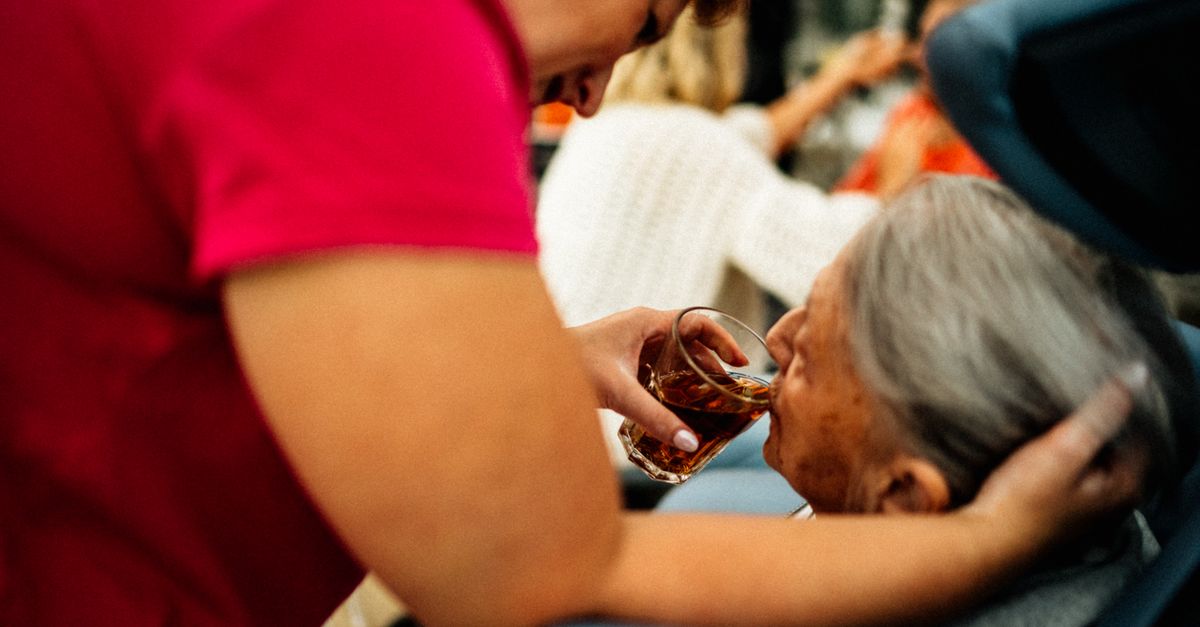
India faces a demographic shift that is both unprecedented and challenging. By 2036, the country is projected to have over 190 million citizens aged 60 and above. Simultaneously, the traditional joint family system is fracturing, and the ratio of caregivers to dependents is plummeting. In this vacuum, elder-care robotics has entered the conversation. However, the narrative often conflates social companionship with physical assistance. For the editorial team at RobotWale, the distinction is critical. A robot that remembers a medication schedule is distinct from a robot that lifts a patient. This analysis grades the current landscape of elderly companionship hardware, prioritizing shipping units over press releases.
Social Companions: The ElliQ Model
Intuition Robotics has emerged as a leader in the social companion space with their product, ElliQ. Unlike traditional humanoid robots, ElliQ is an interactive companion on a stand, featuring a screen and voice interface. The hardware shipped to pilots in the US and Europe is functional, but the value proposition relies heavily on software engagement.
ElliQ operates on a proactive model. It does not wait for commands; it suggests activities, reminds users of appointments, and connects them with family members. In 2021, a pilot study conducted by Stanford University and Intuition Robotics found that ElliQ users reported a 37% reduction in feelings of loneliness and a 39% increase in engagement with digital devices. While these metrics are promising, they are self-reported and do not equate to clinical health outcomes. The hardware is reliable, utilizing a Raspberry Pi-based architecture with a 10-inch touchscreen, but the subscription model remains a barrier.
The subscription cost for ElliQ is approximately $400 annually for the service layer, excluding the hardware cost which often exceeds $3,000. This total cost of ownership places it out of reach for the average Indian household. Furthermore, the device requires constant internet connectivity for its cloud-based AI features. In rural India, where connectivity is spotty, this creates a reliability risk. There is no evidence that ElliQ has been deployed at scale in Indian nursing homes or private residences as of early 2024. It remains a vendor-driven pilot.
Technical Constraints
- Form Factor: Non-mobile. It stays in one location (living room).
- Interaction: Voice and touch screen only. No physical manipulation capabilities.
- Privacy: The device records audio for interaction. Data is stored in the cloud. This raises significant GDPR and DPDP Act compliance concerns in India.
Therapeutic Robotics: The Paro Case Study
Paro represents a different category: therapeutic robotics rather than assistive robotics. Manufactured by Paro Robots Japan (AIREP), the device is a seal that responds to touch, light, and sound. It is designed specifically for dementia care and senior isolation.
The deployment history of Paro is robust in Japan and parts of Europe. Clinical trials have shown that interaction with Paro can lower cortisol levels and reduce agitation in patients with Alzheimer's disease. A 2020 systematic review published in the Journal of Alzheimer's Disease noted significant reductions in behavioral and psychological symptoms of dementia (BPSD) among users. However, Paro is not a physical caregiver. It cannot fetch water, open doors, or prevent falls.
The hardware is durable, featuring a silicone body and internal sensors that detect touch and motion. The battery life is approximately 2 to 3 hours of continuous interaction. The critical issue for the Indian market is the price. The standard Paro unit costs approximately $10,000 USD. With customs duties of 20% and GST of 18%, the landed cost in India would exceed ₹11.5 lakhs ($14,000). A single unit cannot justify this cost for a private family. For nursing homes, the ROI must be proven through staff time reduction, which is currently unproven in the Indian context.
There are no official distributors for Paro Robots in India as of 2024. Importing units requires BIS certification for medical devices, which is a complex regulatory hurdle. While the technology is proven, the business case in India remains speculative.
Emotional Feedback: The Lovot Ecosystem
Greymatter Robotics, a Japanese startup, introduced Lovot as a "lovable robot". Lovot is a soft-bodied robot with a screen face that reacts to your presence. It mimics biological needs, such as hunger and sleep, to encourage user care. The hardware is sophisticated, utilizing a proprietary joint system that allows for fluid movement.
Lovot has been released commercially in Japan since 2016. Pilot deployments in the US and Europe have been limited to specific households and care facilities that purchase the device outright. The pricing structure is aggressive. The base model is priced around $9,000 USD, with a subscription for the companion service layer. This places it in the luxury electronics category rather than medical device category.
The primary critique from an engineering perspective is the lack of functional utility. Lovot cannot perform tasks. Its value is purely emotional. In the context of an aging Indian population, where the primary need is physical assistance (lifting, hygiene, mobility), Lovot addresses a secondary need (loneliness). While valid, it is not a priority for most caregivers facing a labor shortage.
Hardware Specifications
- Mobility: Self-balancing, autonomous navigation.
- Weight: Approximately 14 kg.
- Power: Battery lasts 2 to 3 days on standby, 2 hours of active movement.
- Service: Requires proprietary charging dock and cloud connectivity.
Greymatter Robotics has not announced an official distribution channel for India. Importing Lovot would require navigating the same BIS and import duty hurdles as Paro. The lack of after-sales service in India is a major risk. If the battery degrades or the locomotion system fails, there is no authorized service center in Mumbai, Delhi, or Bangalore.
The Indian Market Reality
While the technology exists, the ecosystem does not. The Indian elder-care market is price-sensitive and fragmented. The average pension for a senior citizen in India is often less than ₹15,000 per month. A robotic solution costing ₹10 lakhs is economically impossible for 99% of the demographic.
Furthermore, cultural nuances play a role. In India, the care of the elderly is often viewed as a familial duty. Introducing a robot to a senior's home can be perceived as abandonment by the children, even if the robot is meant to assist. This social friction has not been quantified but is a common theme in independent reporting on care robotics in South Asia.
Estimated Landed Costs for India:
- ElliQ: Estimated ₹2.5 Lakhs (Hardware) + ₹30,000 annually (Service).
- Paro: Estimated ₹11 Lakhs (One-time purchase, no official distributor).
- Lovot: Estimated ₹8.5 Lakhs (One-time purchase, no official distributor).
These estimates include the base hardware cost, 20% Customs Duty, 18% GST, and inland logistics. They do not include the potential cost of importing a specialized medical device certificate (CDSCO Class B or higher), which could add significant compliance costs.
Conclusion: Cautious Optimism
The current wave of elder-care robots offers companionship, not care. For the Indian market, where the gap is physical labor and safety, these devices are supplementary at best. They do not replace the need for human caregivers or assistive mobility hardware. Until the pricing drops to the ₹1-2 lakh range, or until the hardware is certified under the Indian Medical Device Rules as therapeutic equipment, these units will remain niche imports.
Investors and families should prioritize hardware with physical utility (lifting arms, mobility support) over purely social interfaces. The technology is ready, but the Indian economic and regulatory infrastructure is not yet aligned to support mass adoption. Monitoring deployments in India by domestic startups like Roboviz or RoboViz is a better barometer for success than imported social companions.
References
For a complete list of sources used in this article, please refer to the following manufacturer and independent reports:
- Intuition Robotics: intuitionrobotics.com
- Paro Robots Japan: paro-robot.com
- Greymatter Robotics (Lovot): lovot.jp
- Stanford University Study (ElliQ): healthinnovation.stanford.edu
- CDSCO India: cdsco.gov.in
✓ Key takeaways
- •Hands-on view of Elder-Care Robots: Separating Social Assistants from Functional Care inside our Elder-Care Robots library.
- •Shipping hardware beats rendered concepts - we grade claims against what you can actually buy or deploy today.
- •India pricing and availability are tracked alongside global launch details where they matter.
References
Related articles
More in Elder-Care Robots →