Event Cameras: Neuromorphic Vision for High-Speed Robotics
Beyond the Frame: Understanding Event-Based Vision
In the rapidly evolving landscape of robotics, particularly within the domains of high-speed autonomous drones and humanoid manipulation, traditional frame-based cameras are reaching their physical limits. Standard sensors capture static images at fixed intervals, typically ranging from 30 to 120 frames per second (fps). This method introduces significant motion blur and latency when objects move faster than the sensor can sample. Event cameras, technically classified as Dynamic Vision Sensors (DVS), offer a fundamentally different approach. Instead of capturing full frames, they monitor brightness changes on a pixel-by-pixel basis. Each pixel operates asynchronously, outputting an event whenever the logarithmic change in intensity exceeds a threshold.
This shift from synchronous frame rates to asynchronous event streams reduces latency from milliseconds to microseconds. For a humanoid robot tasked with catching a ball or a drone navigating through a dense forest, this latency reduction is not merely an optimization; it is a safety requirement. The technology relies on neuromorphic engineering, mimicking the biological retina where individual photoreceptors fire independently based on stimulus rather than a central clock.
Technical Architecture and Performance Metrics
The core of an event camera is the pixel architecture. Traditional sensors use a global or rolling shutter to capture light intensity over an exposure time. Event sensors utilize a comparator circuit within each pixel. When the light intensity changes by a specific threshold, the pixel triggers a timestamped event containing the pixel coordinates (x, y), the timestamp (t), and the polarity of the change (brightening or darkening). This mechanism eliminates motion blur entirely because there is no exposure integration period.
Key performance metrics distinguish these sensors from standard CMOS sensors. Latency is the primary differentiator, often measured in microseconds (typically under 10μs). Dynamic range is another critical factor, with event cameras often achieving 120dB to 130dB, significantly outperforming standard HDR sensors which usually cap around 100dB. This allows them to operate in high-contrast environments, such as a robot moving from bright sunlight into a dark warehouse.
However, the data rate presents a challenge. While the bandwidth is lower than uncompressed video, the stream is continuous. Processing this stream requires specialized hardware, often Field Programmable Gate Arrays (FPGAs) or dedicated neuromorphic processors. The resolution of current event cameras is generally lower than standard video sensors. Most commercial units range from 346x260 to 640x480 pixels. For a robot relying solely on event data for object recognition, this resolution requires robust algorithmic support to interpolate spatial data.
The Hardware Landscape: Shipping Products
When evaluating the event camera market, it is essential to distinguish between prototypes, pilot deployments, and shipping hardware. The market is currently dominated by a few key players who have moved beyond the research phase.
Prophesee: The French company is the market leader in this space. Their Metavision® series, specifically the GEN3 and GEN4 sensors, are widely cited in research papers. They offer development kits (EVKs) that are available for purchase. The DVS346 is a common model used in high-speed robotics research due to its balance of resolution and frame rate. They have partnerships with major automotive and drone manufacturers, indicating a level of maturity.
iniVation: A German-based manufacturer, iniVation has produced the DVS128 and DVS180 models. These are often used in academic research and industrial automation. They offer clear spec sheets and have established distribution channels for development kits.
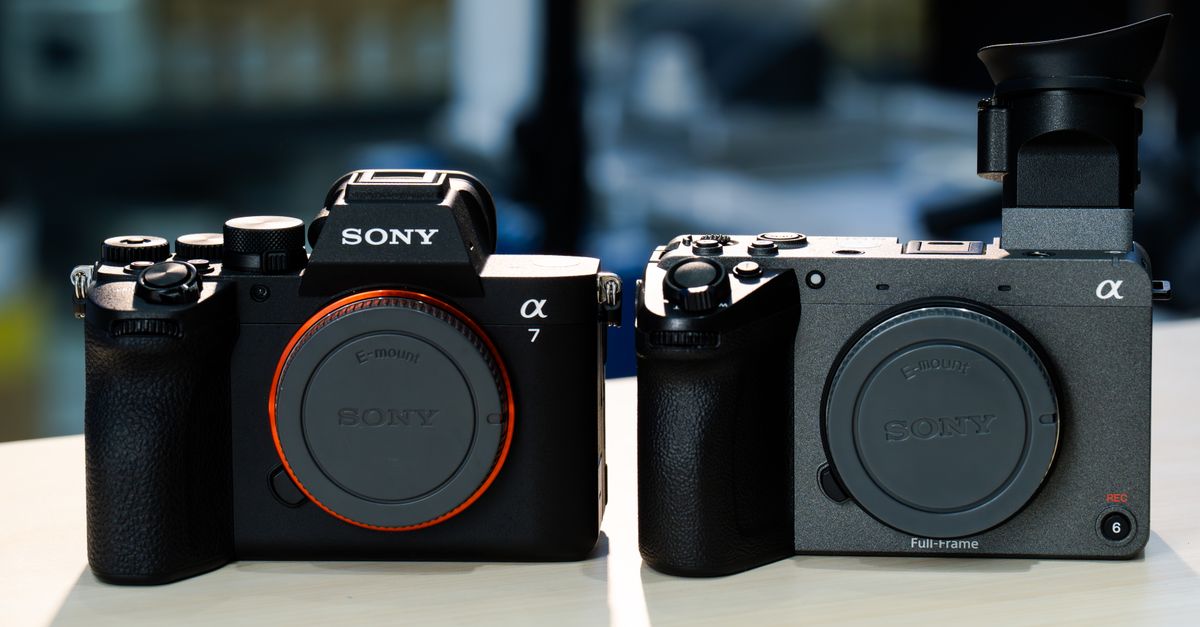
Sony: While Sony primarily focuses on standard image sensors, they have demonstrated DVS technology in R&D. However, for the purpose of this report, we focus on manufacturers where end-users can currently purchase hardware. Sony’s DVS prototypes have not yet reached general commercial availability in the same volume as Prophesee or iniVation.
Other manufacturers like XIMEA and OmniVision have integrated event capabilities into specific lines, but the focus remains on niche industrial applications rather than mass consumer robotics.
India Availability and Cost Analysis
For Indian robotics integrators and startups, sourcing event cameras involves navigating a complex import landscape. Unlike standard webcams which are available on Amazon India or local electronics stores, event cameras are specialized B2B components. Availability is typically through authorized distributors or direct import from Europe.
Current Pricing: Development kits for Prophesee or iniVation typically range between $3,000 and $5,000 USD for the sensor and processing unit. With Indian customs duties, GST, and logistics, the landed cost for a single development kit can exceed ₹2.5 Lakhs to ₹4 Lakhs. This pricing barrier limits adoption to well-funded research labs, defense projects, or deep-tech startups.
Lead Times: Import lead times for these specialized electronic components can range from 4 to 8 weeks. Supply chain disruptions in the semiconductor sector can further delay these timelines. For mass manufacturing of humanoid robots, a single unit cost of ₹2 Lakhs per sensor is prohibitive unless the bill of materials (BOM) is adjusted significantly.
Distribution Channels: Organizations like RoboSense (Indian robotics integrators) or specialized drone component suppliers often handle these orders. Direct purchasing from manufacturers often requires a Non-Disclosure Agreement (NDA) and proof of technical capability to avoid reverse engineering of proprietary sensor architectures.
Limitations in Current Deployment
Despite the advantages, event cameras are not a silver bullet for all robotic vision tasks. Several technical limitations must be acknowledged before deployment.
- No Texture Information: Event cameras do not capture static texture or color information. They only capture change. A robot cannot identify the color of a traffic light using only an event stream; it can only detect the event of the light changing state. This requires hybrid sensor fusion with standard RGB cameras.
- Resolution Constraints: The resolution of 300x200 pixels is insufficient for high-precision object detection tasks like reading small text labels on a warehouse shelf. Current algorithms require upscaling, which adds computational overhead.
- Processing Complexity: Standard computer vision libraries (OpenCV) do not natively support event streams. Developers must use specialized libraries like EIGEN or custom TensorFlow models trained on event data. This raises the barrier to entry for software teams.
- Dark Noise: In low-light conditions, the noise floor can increase. When there is little light change, the sensor may generate false positive events. This requires careful calibration of the contrast threshold.
Future Integration in Humanoid Platforms
The humanoid robotics sector is showing cautious interest in event cameras. While major announcements often cite standard vision transformers, the underlying hardware for high-speed interaction is shifting. Companies like Figure AI and Tesla Vision rely heavily on standard frame cameras, but research papers from institutions like MIT and ETH Zurich suggest a future hybrid approach.
For high-speed manipulation tasks, such as a humanoid catching a falling object, the latency of standard cameras is a bottleneck. Event cameras allow for predictive tracking based on velocity vectors derived from the event stream. This allows the robot to anticipate the trajectory of a moving object before the next frame is even captured.
However, until the cost of these sensors drops to the $500 USD range, they will remain a niche component for specialized robotics, such as high-speed drones, autonomous racing vehicles, and industrial inspection bots, rather than mass-market humanoid assistants. The Indian market will likely see adoption first in the defense and aerospace sectors where performance overrides cost.
References
1. Prophesee. "Metavision® Development Kits." prophesee.ai
2. iniVation. "DVS128/180/346 Datasheets." inivation.com
3. The Robot Report. "Event-Based Vision in Robotics." therobotreport.com
4. IEEE Robotics and Automation Letters. "Review of Neuromorphic Vision Sensors." ieeexplore.ieee.org
5. Indian Customs Tariff Schedule. Electronic Components Import Duty Rates. cbic.gov.in
✓ Key takeaways
- •Hands-on view of Event Cameras: Neuromorphic Vision for High-Speed Robotics inside our Event Cameras library.
- •Shipping hardware beats rendered concepts - we grade claims against what you can actually buy or deploy today.
- •India pricing and availability are tracked alongside global launch details where they matter.
References
Related articles
More in Event Cameras →