
Technology
Underneath every humanoid, robo-dog and drone is a stack of AI models, sensors, actuators and compute. This section unpacks how the technology actually works - without the marketing spin.
Sub-categories
Profiles of the most important robotics companies in the world.
Indian robotics startups, policy, academia and market data.
Rounds, valuations, exits and acquisitions in robotics.
Rules, standards, safety certifications and export controls.
Latest in Technology

Imitation learning bridges human demonstration and robotic execution through teleoperation, structured data collection, and behavior cloning. This article grades current claims by hardware shipping status, examines real deployment pipelines, and outlines India availability with landed cost estimates.

A grounded assessment of how reinforcement learning powers real-world humanoid locomotion and manipulation, graded by deployed hardware, pilot programs, and manufacturer announcements, with specific notes on India availability and landed costs.

A grounded assessment of sim-to-real pipelines, evaluating Isaac Sim and MuJoCo against shipped humanoid hardware, pilot deployments, and the persistent challenges of crossing the reality gap.

A measured assessment of how foundation models are transitioning from research to deployment in robotics, evaluating Pi, RT-2, Groot, and the broader push toward general-purpose robotic policies.
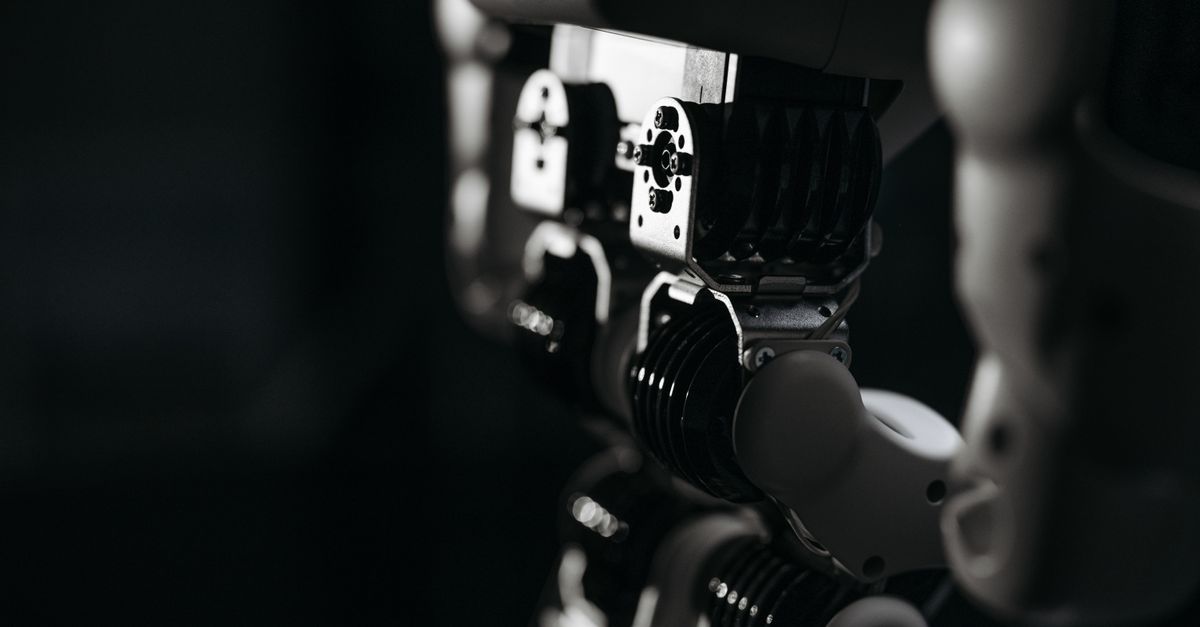
An evidence-based assessment of the VLA paradigm, examining RT-2, Octo, and OpenVLA architectures, their current deployment grade, hardware requirements, and realistic pathways for adoption in India’s robotics sector.

A grounded assessment of the VLA paradigm, evaluating RT-2, Octo, and OpenVLA against hardware integration, pilot deployments, and commercial availability, with specific notes on India’s robotics landscape and compute costs.
A grounded assessment of how teleoperation, live demonstrations, and behaviour cloning are currently deployed in humanoid robotics. We evaluate shipping hardware, pilot deployments, and manufacturer data to separate verified capabilities from conceptual announcements, with specific notes on India availability and landed cost estimates.

A hardware-first assessment of reinforcement learning in humanoid robots, grading claims by shipped units, pilot deployments, and announcements. Covers real-world locomotion and manipulation performance, sim-to-real transfer limits, India availability, and approximate landed pricing.

A measured assessment of Isaac Sim, MuJoCo, and the engineering challenges of crossing the sim-to-real divide. We grade sim-to-real claims by shipped hardware, pilot deployments, and public announcements, with specific focus on India availability and landed cost estimates.

An evidence-based assessment of RT-2, Physical Intelligence (Pi), and NVIDIA Groot, grading claims by shipped hardware, pilot deployments, and public announcements, with India market availability and approximate pricing.

A factual breakdown of solid-state LiDAR, Time-of-Flight, and stereo depth sensors currently available for humanoid robotics, graded by deployment maturity, with India availability and pricing notes.

A hardware-graded evaluation of GelSight, BioTac, and capacitive touch arrays for humanoid robotics, including integration requirements, independent validation, and India availability with flagged landed cost estimates.

An evidence-based review of SLAM and VIO architectures, shipping hardware dependencies, map-building workflows, and the current state of deployment in Indian robotics programs.

A hardware-first evaluation of event-based vision sensors for high-speed robotics, covering shipping hardware, integration pipelines, India availability, and realistic deployment constraints.
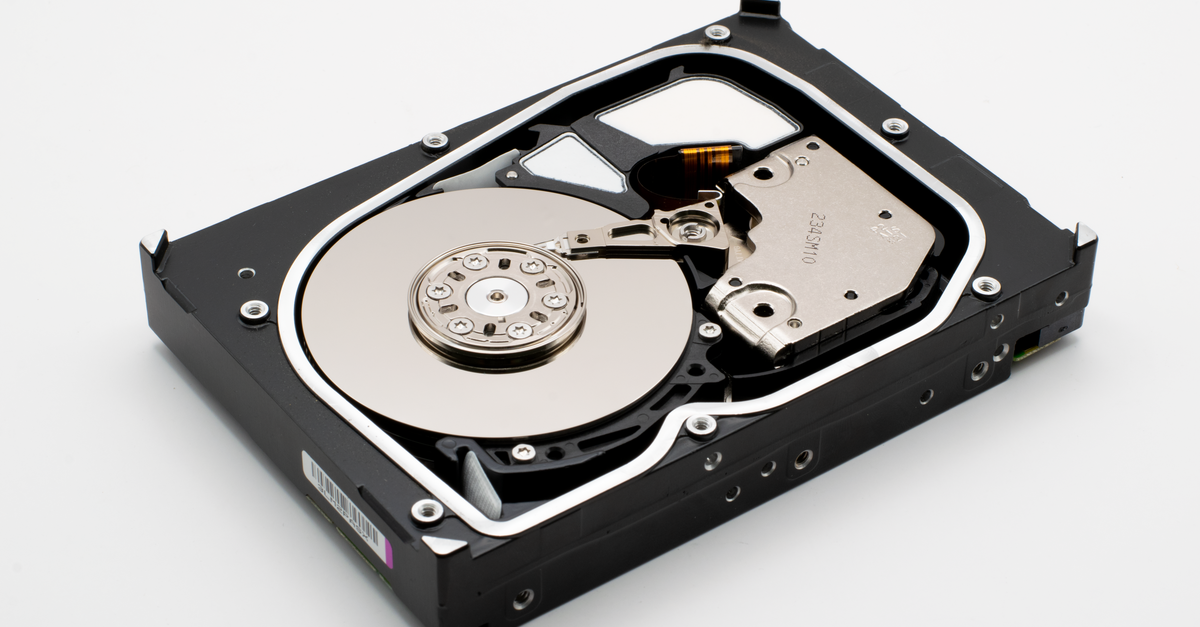
A hardware-first assessment of quasi-direct-drive (QDD) joint actuators, their control implications, deployment grading, and India availability. QDD motors prioritize backdrivability, compliance, and high-bandwidth torque control over peak torque density, making them the pragmatic choice for dynamic humanoid locomotion and manipulation. This article grades real shipping hardware, analyzes thermal and control constraints, and provides landed cost estimates for Indian integrators.
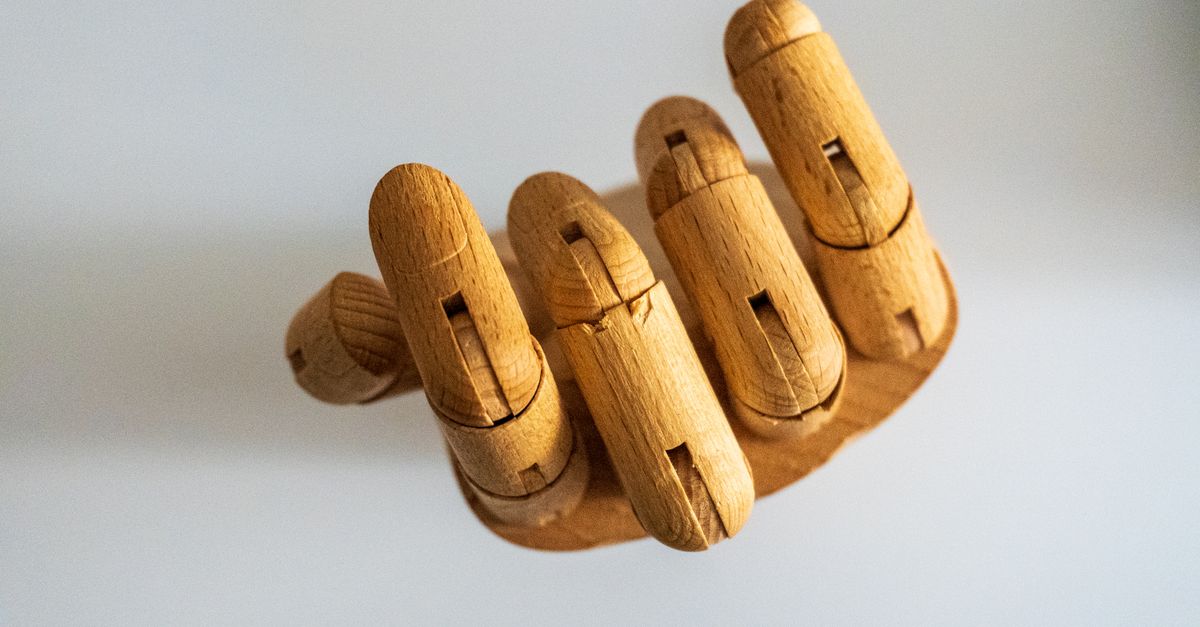
A grounded analysis of commercial 5-finger dexterous hands, grading claims by shipped hardware over announcements. This article examines the Shadow Hand, Allegro Hand, and Inspire Dextar, their actuation architectures, control paradigms, and practical deployment status, including India availability and approximate landed costs.

A grounded assessment of power density, thermal management and operational runtime in commercially available and pilot-deployed humanoid robots, with market availability and landed cost estimates for India.

A technical review of strain-wave gearing in industrial and humanoid robotics, covering architecture, verified performance metrics, manufacturing constraints, India market availability, and realistic integration parameters.