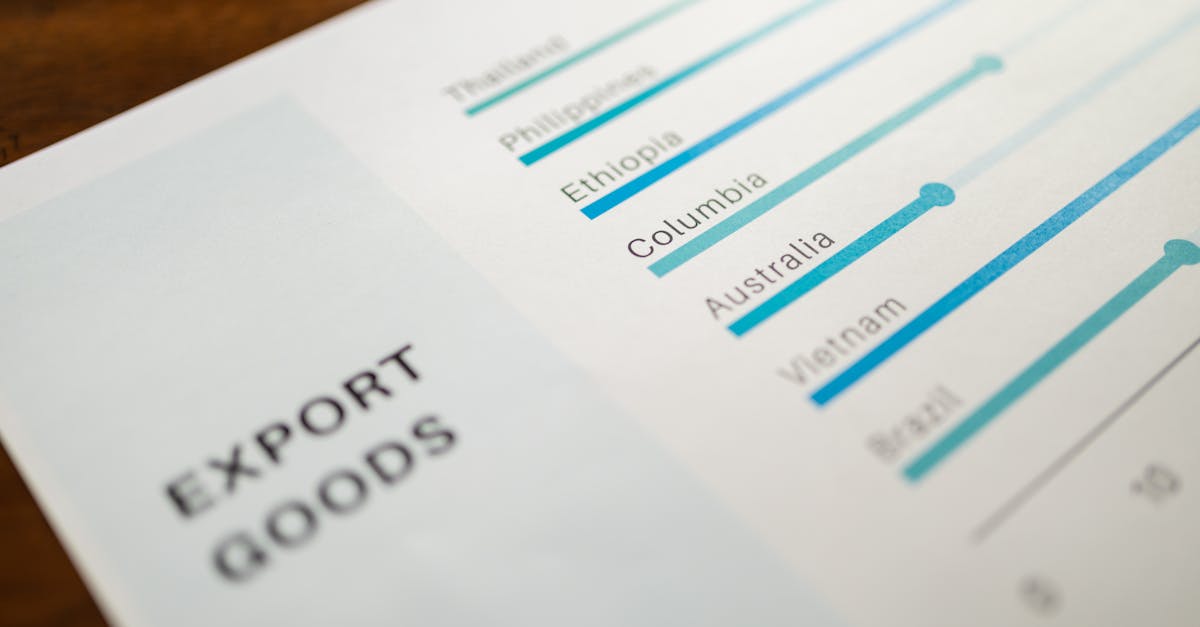
Export Controls and Robotics: Navigating Wassenaar, EAR, and the Indian Market
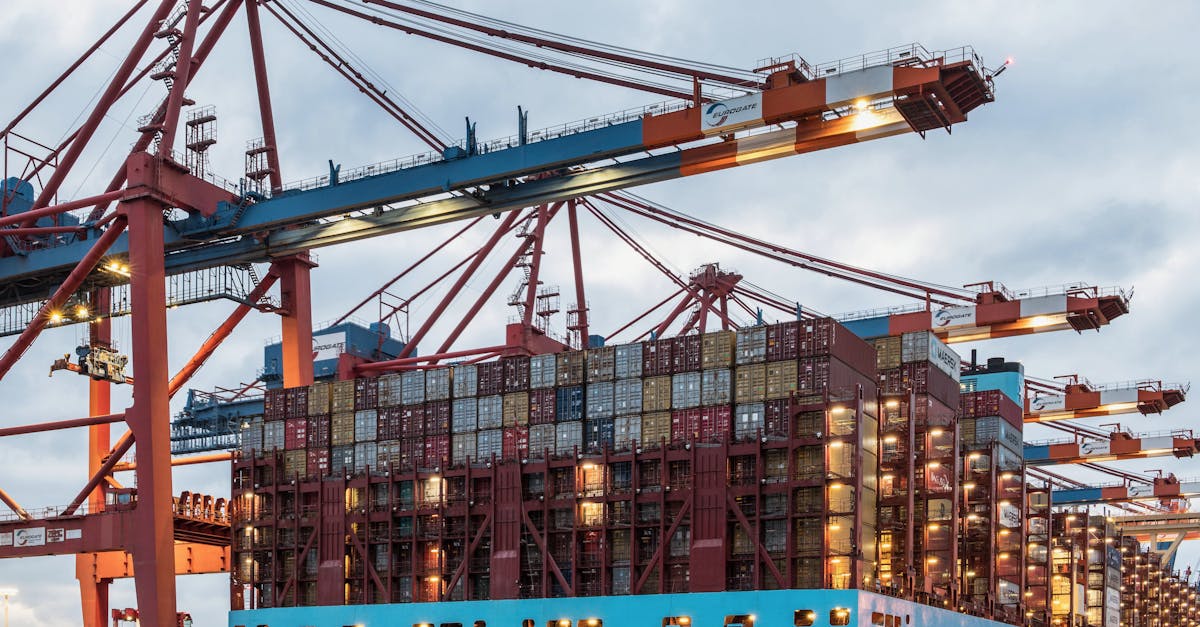
The Geopolitics of Hardware in the Age of Autonomy
Robotics has transitioned from a specialized domain of industrial automation to a broader field of general-purpose intelligence. This shift fundamentally alters how hardware is classified under international law. What was once considered purely commercial technology is now frequently categorized as dual-use—capable of both civilian and military applications. As humanoid robots and advanced autonomous systems move from laboratory prototypes to commercial pilots, the regulatory frameworks governing their movement across borders have become a critical bottleneck for the industry.
For Indian manufacturers and importers, understanding these export controls is not merely a compliance exercise; it is a strategic necessity. The intersection of advanced AI, high-torque actuators, and precision sensors creates a landscape where a single component can trigger international restrictions. This article examines the Wassenaar Arrangement, the U.S. Export Administration Regulations (EAR), and their tangible impact on the Indian robotics market.
The Wassenaar Arrangement and Dual-Use Classifications
Established in 1996, the Wassenaar Arrangement on Export Controls for Conventional Arms and Dual-Use Goods and Technologies is a multilateral export control regime. Its primary objective is to promote transparency and responsibility in transfers of conventional arms and dual-use items. While often associated with defense, its impact on commercial robotics has intensified in recent years.
2023 Updates and AI Integration
In December 2023, the Wassenaar Arrangement participants agreed to update their control lists to include artificial intelligence (AI) and robotics. This decision was driven by the concern that advanced AI models and robotic platforms could be utilized for surveillance, autonomous weapons, or critical infrastructure disruption. The updated list includes specific categories for "advanced robotics" and "autonomous systems" that possess certain levels of autonomy or sensing capability.
For the Indian market, this means that importing robots with advanced decision-making capabilities may require additional licensing from the government. The scope covers systems capable of operating without human intervention in complex environments. This directly impacts companies attempting to deploy humanoid robots in logistics or hazardous environments. The Arrangement does not legally bind its members, but it creates a framework that countries like the U.S. and members of the EU use to enforce their national laws.
Relevance to Advanced Robotics Components
The controls do not apply to every robot. They focus on specific high-end components. High-torque actuators, specialized force-torque sensors, and LiDAR systems capable of high-resolution mapping fall into this category. If a robotic arm is sold as a consumer toy with low payload capacity, it likely bypasses these restrictions. However, if the same manufacturer sells an industrial version with high payload and AI-driven path planning, it may trigger export control scrutiny.
U.S. EAR and the Entity List
The U.S. Bureau of Industry and Security (BIS) administers the Export Administration Regulations (EAR). The EAR controls the export of dual-use items, including software and hardware, of U.S. origin. For the Indian market, this is the most significant regulatory hurdle regarding advanced robotics.
The De Minimis Rule and Supply Chain Risks
The EAR applies even if the final product is manufactured outside the United States. If a product contains U.S.-origin controlled items above a certain threshold (de minimis), it falls under EAR jurisdiction. This means a robot assembled in China using U.S.-made AI chips or U.S.-origin sensors can be restricted from being exported to India or other nations.
This creates a complex supply chain risk. Indian robotics integrators often purchase components from global vendors. If those vendors are U.S.-based or use U.S. technology, the vendor must verify the end-user. If the end-user is on the BIS Entity List, the transaction is prohibited without a license. While the Entity List primarily targets specific Chinese entities, the ripple effect restricts the availability of high-performance hardware globally.
Impact on Procurement
For Indian companies, this means procurement officers must verify the country of origin for every component. A robot that appears to be a generic Chinese model may contain U.S.-origin processors or chips. If the chip is restricted, the entire system becomes restricted. This has led to delays in pilot deployments for companies relying on high-end autonomous navigation stacks.
The Indian Market Context
India's robotics sector is still in its growth phase. Domestic manufacturing of high-end humanoid robots is nascent. Most advanced systems are imported. This reliance makes the market sensitive to export controls and trade tariffs.
Availability and Import Restrictions
The Directorate General of Foreign Trade (DGFT) in India aligns with international control regimes. Importing high-technology robotics requires scrutiny under the Foreign Trade Policy. While there is no blanket ban on robotics, specific high-tech systems may face additional licensing requirements under the Import Export Code (IEC).
For example, the Boston Dynamics Spot robot, used for inspection and inspection monitoring, has been subject to export controls due to its mobility and sensor suite. Similarly, advanced arms from U.S. manufacturers like Intuitive Surgical or collaborative robots with proprietary software are often restricted or require specific clearance.
Availability and Pricing (INR)
Estimates for landed costs in India must account for customs duties, GST, and potential tariffs. High-end industrial robots typically attract a Basic Customs Duty (BCD) of 10% to 15% plus GST. Advanced AI-driven systems may face additional scrutiny.
Approximate landed costs for relevant hardware include:
- Unitree G1 (Humanoid): Estimated landing cost between INR 30 Lakhs to INR 40 Lakhs per unit, depending on configuration and import duties. This is a commercially available unit, but advanced AI features may be region-locked.
- Boston Dynamics Spot: Estimated landing cost between INR 75 Lakhs to INR 90 Lakhs. Availability is often limited due to export control classification.
- Industrial Collaborative Arms (e.g., Universal Robots): Estimated landing cost between INR 15 Lakhs to INR 30 Lakhs. Generally exempt from strict dual-use controls unless modified for military use.
It is important to note that these prices are estimates based on current exchange rates and duty structures. Actual landed cost may vary based on the specific classification of the hardware at the Indian customs port. The GST of 18% applies to the total value including duty.
Compliance and Future Outlook
Indian manufacturers wishing to export their own robotics solutions must also be aware of foreign regulations. If an Indian company develops a robot with U.S. chips or software, they cannot sell it to restricted regions without a license. Conversely, if they wish to import, they must ensure their vendors comply with the EAR.
Emerging Regulations
The regulatory landscape is tightening. In 2024, the U.S. expanded restrictions on the export of advanced AI chips to China. This indirectly affects the Indian market as supply chains shift. Indian companies are advised to diversify their component sourcing to reduce dependency on single jurisdictions.
The Indian government has also signaled interest in developing its own technology sovereignty roadmap. The Production Linked Incentive (PLI) scheme for electronics includes robotics components. However, the ability to manufacture high-end actuators and AI chips domestically remains a long-term goal.
Strategic Recommendations
To navigate this landscape, Indian robotics firms should:
- Conduct Component Audits: Map the origin of all critical components in their supply chain.
- Monitor BIS Updates: Subscribe to BIS notifications regarding changes to the Entity List.
- Diversify Sourcing: Reduce reliance on components that are heavily regulated by the EAR.
- Engage Legal Counsel: Ensure import contracts include clauses regarding export control compliance.
The era of unrestricted hardware movement is ending. As robotics becomes central to national security and economic competitiveness, export controls will remain a defining feature of the industry. For India, balancing the need for technology access with regulatory compliance will be the defining challenge of the next decade.
Conclusion
The intersection of export controls and robotics is not theoretical. It dictates which hardware can be deployed in Indian factories, laboratories, and public spaces. The Wassenaar Arrangement and U.S. EAR form the backbone of these restrictions. Understanding them is essential for any business operating in the robotics sector.
While the regulations may slow down the pace of deployment for high-end systems, they are designed to prevent misuse. For the Indian market, this means a shift towards localized manufacturing and careful procurement. As the industry matures, compliance will become a competitive advantage rather than a hindrance.
RobotWale remains committed to tracking these developments, providing transparent reporting on which hardware is available, which is restricted, and what the real-world costs are for Indian businesses.
✓ Key takeaways
- •Hands-on view of Export Controls and Robotics: Navigating Wassenaar, EAR, and the Indian Market inside our Export Controls library.
- •Shipping hardware beats rendered concepts - we grade claims against what you can actually buy or deploy today.
- •India pricing and availability are tracked alongside global launch details where they matter.
References
Related articles
More in Export Controls →