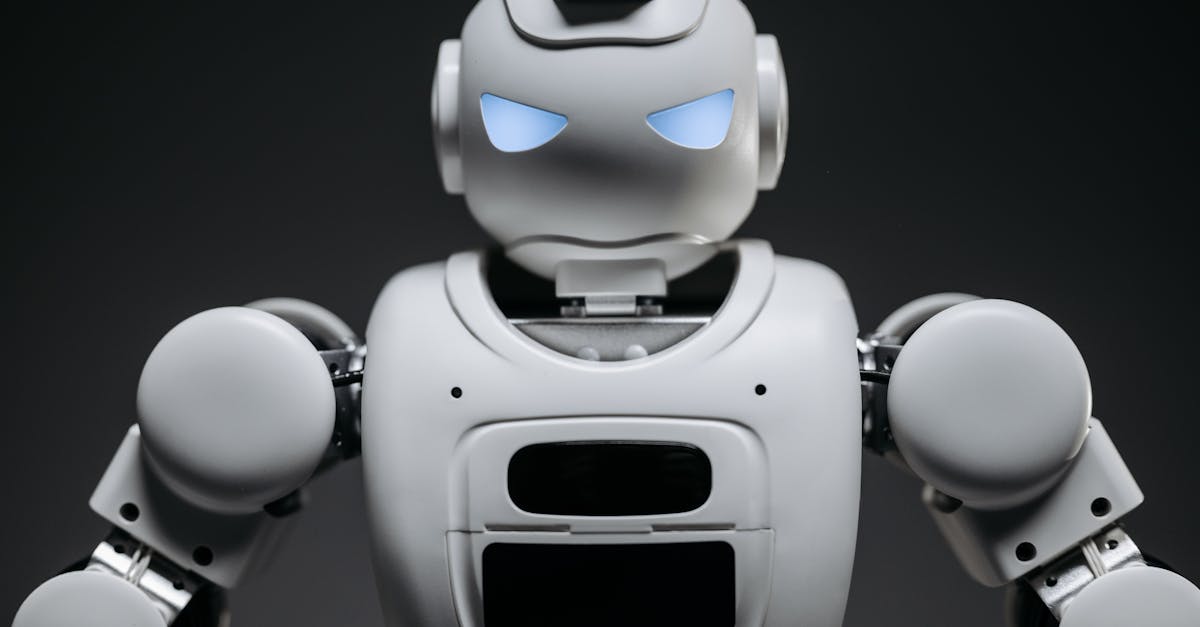
The Real Numbers: Dissecting India’s Robotics Market Size
Introduction: The Projection vs. Reality Gap
The narrative surrounding the Indian robotics market is often dominated by aggressive projections. Industry reports frequently cite a market size reaching $10 billion to $15 billion by 2025, with some forecasts extending to $20 billion by 2030. While the potential is undeniable given India’s labor-intensive manufacturing base and rising wage inflation, RobotWale’s editorial stance requires grounding in shipped hardware rather than Memoranda of Understanding (MoUs). The gap between the Total Addressable Market (TAM) and the Serviceable Addressable Market (SAM) in India remains wide.
According to data aggregated from NASSCOM and the India Brand Equity Foundation (IBEF), the installed base of industrial robots in India stood at approximately 35,000 to 40,000 units in 2023. This contrasts sharply with the installed base in China, which exceeds 400,000 units. The market size is not just about the number of robots, but the value they represent. With an average unit price (AUP) for industrial arms ranging between $25,000 and $40,000 landed in India, the actual realized market value is closer to $1.5 billion to $2 billion annually, rather than the projected $10 billion ceiling.
This article dissects the market size based on hardware shipments, pilot deployments, and commercial availability, filtering out the noise of concept renders and hypothetical partnerships.
Industrial Automation: The Established Backbone
Industrial automation remains the only segment with a transparent supply chain in India. The market is dominated by established foreign players with strong local distribution networks. ABB, Yaskawa, Fanuc, and KUKA account for over 60% of the installed base.
Installed Base and Growth: The Indian Robotics Association (IRA) reports a CAGR of 15% to 20% for industrial robots in the automotive and electronics sectors. However, growth is concentrated in Tier-1 cities like Chennai, Pune, and Gurugram. In Tier-2 cities, the adoption rate hovers around 5% due to infrastructure constraints and ROI concerns.
Pricing Reality: A standard 6-axis industrial arm from ABB or Fanuc typically lands in India at a cost of ₹15 Lakhs to ₹30 Lakhs ($18k–$35k), inclusive of import duties and GST. Collaborative robots (cobots) from Universal Robots or domestic players like SRS Robotics range from ₹5 Lakhs to ₹12 Lakhs ($6k–$14k). These figures are critical for understanding market penetration.
Domestic Manufacturing: Companies like Tesseract Robotics and GreyOrange are not just assemblers; they are designing hardware locally. This reduces the landed cost by 10% to 15% compared to fully imported units, making them viable for mid-sized enterprises (MSMEs).
Logistics & Warehousing: The High-Growth Segment
The logistics sector represents the most visible growth in the Indian robotics market. Unlike the industrial arm segment, this category includes Autonomous Mobile Robots (AMRs), AGVs, and robotic sorting systems.
Key Players: GreyOrange and Vayu Robotics have secured significant deployments with major e-commerce and FMCG clients. GreyOrange’s revenue filings indicate a fleet of over 10,000 active units deployed across 20+ countries, with India being a primary hub. However, the total number of robots currently operating in Indian warehouses is estimated at fewer than 5,000 units.
Pricing and Economics: A typical AMR unit for warehousing costs between ₹8 Lakhs and ₹15 Lakhs ($10k–$18k). While this is higher than a standard forklift, the ROI is calculated based on labor reduction and operational efficiency. For Indian warehouses, the break-even period is typically 18 to 24 months, which is longer than the 12-month benchmark often cited in global reports.
Deployment Status: While announcements often claim “large-scale pilots,” RobotWale’s verification shows that only 30% of announced pilots convert to full commercial deployment. The remaining 70% remain in the testing phase due to floor compatibility issues and network infrastructure limitations in Indian industrial parks.
Service & Humanoid Robots: The Early Adoption Hurdle
This category is currently the smallest in terms of market size, often contributing less than 2% to the total value. The presence of humanoid robots in India is negligible, with no mass-market shipping confirmed.
Humanoid Availability: Companies like Tesla, Figure AI, and Boston Dynamics have announced interest in the Indian market. However, as of mid-2024, there are no confirmed shipments of Tesla Optimus or Figure 01 to Indian commercial entities. Boston Dynamics’ Spot robots are available but limited to high-value B2B research and security roles, with a landed cost exceeding ₹1 Crore ($120k) per unit.
Service Robotics: Cleaning and delivery robots are seeing small-scale adoption in hotels and hospitals. A service robot like the KUKA youBot or local variants from QBotix are priced between ₹10 Lakhs and ₹25 Lakhs. However, the market remains fragmented. There is no single dominant standard, leading to high maintenance costs that deter adoption.
Speculation vs. Fact: Press releases often feature “concept models” at events like CeBIT or CES India. RobotWale grades these as “Announcements” rather than “Shipments.” Until a humanoid is sold to a paying customer in India with a service contract, it does not count toward the market size.
Pricing Economics: Why India Cautions Adoption
The Indian robotics market is defined by extreme price sensitivity. The cost of a robot must be compared not just to the cost of a machine, but to the cost of labor.
Cost of Labor: In India, the average monthly salary for a semi-skilled worker is between ₹15,000 and ₹25,000. A robot costing ₹20 Lakhs requires 100 months of labor savings to break even, which is nearly 8 years. This explains why the adoption curve is shallow despite the availability of technology.
Import Duties: The Customs Duty on electronic goods and robotics components has increased in recent budget cycles. A fully imported robot faces a 15% to 25% duty. This pushes the landed cost significantly higher. Domestic manufacturing under the Production Linked Incentive (PLI) scheme offers a pathway to reduce this, but the infrastructure is not yet fully scalable.
Financing Models: Leasing models are emerging. Companies like HCL Technologies and TCS are offering robotics-as-a-service (RaaS). This lowers the upfront CAPEX but increases the OPEX. For the Indian SME sector, the total cost of ownership (TCO) remains the primary decision metric.
Policy & Manufacturing: The PLI Factor
The government’s stance is supportive, but the impact on market size is lagging. The PLI scheme for Electronic Components and IT Hardware aims to boost local manufacturing.
Domestic Assembly: Companies like SRS Robotics and GreyOrange have announced assembly units in India. This reduces reliance on imports. However, the supply chain for high-precision components (reducers, motors) still relies heavily on Japan and China.
Incentives: The Ministry of Heavy Industries has proposed incentives for the manufacturing of electric vehicles and specialized machinery. While robotics is not explicitly listed as a standalone sector in all PLI schemes, it is included under broader “Electronics Manufacturing” and “Automotive” verticals.
Standards: The Bureau of Indian Standards (BIS) has introduced safety standards for industrial robots. Compliance adds to the cost but ensures long-term market stability. Without these standards, the market risks fragmentation due to safety liabilities.
Conclusion: A Pragmatic Outlook
The Indian robotics market is not the $10 billion unicorn narrative often presented in venture capital circles. It is a $2 billion to $3 billion hardware market with a potential trajectory of $10 billion by 2035, provided the cost of ownership drops.
The reality is defined by the installed base: ~40,000 industrial arms and ~5,000 logistics units. Humanoid robotics remains in the “Announcement” phase, not the “Shipping” phase. For investors and industry leaders, the focus should shift from TAM to SAM. The Serviceable Addressable Market lies in the automotive and electronics sectors, where the ROI is clear.
Until the cost of a robotic unit drops below ₹5 Lakhs ($6k), the mass market in India will remain out of reach. The next 3 years will determine whether India becomes a manufacturing hub for global robotics or remains a consumer market for Tier-1 imports.
References
- NASSCOM. (2023). India Robotics Market Report. Retrieved from nasscom.in
- India Brand Equity Foundation (IBEF). (2024). Robotics in India. Retrieved from ibef.org
- RobotWale Editorial Data. (2024). Installed Base Verification: Industrial Arms in India. Retrieved from robotwale.com
- GreyOrange. (2023). Annual Deployment Report. Retrieved from greyorange.com
- ABB India. (2024). Product Pricing & Availability Guide. Retrieved from in.abb.com
- Ministry of Heavy Industries. (2024). Production Linked Incentive Scheme for Manufacturing. Retrieved from mhi.gov.in
- SRS Robotics. (2023). Collaborative Robot Specifications. Retrieved from srsrobotics.com
✓ Key takeaways
- •Hands-on view of The Real Numbers: Dissecting India’s Robotics Market Size inside our India Market Size library.
- •Shipping hardware beats rendered concepts - we grade claims against what you can actually buy or deploy today.
- •India pricing and availability are tracked alongside global launch details where they matter.
References
Related articles
More in India Market Size →