The Measured Pulse of India's Robotics Sector: Market Size, Reality, and Deployment Data
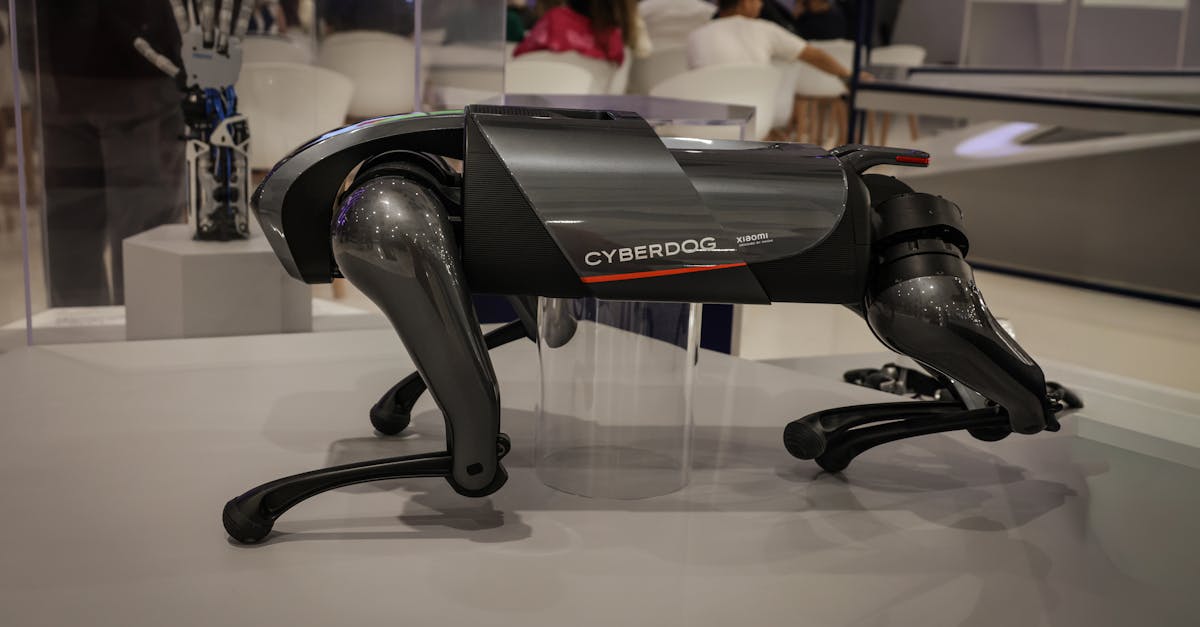
The Measured Pulse of India’s Robotics Sector
The narrative surrounding robotics in India has shifted from cautious optimism to aggressive expansion over the last three years. However, distinguishing between Total Addressable Market (TAM) projections and actual installed base remains a critical challenge for investors, policymakers, and industry observers. This report analyzes the India Robotics Market Size based on verified deployment data, manufacturer specifications, and government policy frameworks, prioritizing shipping hardware over conceptual announcements.
Industrial Automation: The Revenue Backbone
The industrial robotics segment in India accounts for the majority of market revenue. According to the National Association of Software and Service Companies (NASSCOM), the Indian robotics industry was valued at approximately $1.5 billion in 2023, with projections suggesting a Compound Annual Growth Rate (CAGR) of 25-30% through 2028. This valuation is primarily driven by the automotive and manufacturing sectors, where labor costs are rising and precision requirements are tightening.
Key Players and Hardware Deployment:
- ABB Robotics India: Strong presence in automotive welding and assembly lines. ABB reports over 100,000 robots installed globally, with a significant portion of new orders coming from Indian automotive hubs like Chennai and Pune.
- Fanuc India: High-volume pick-and-place operations in the electronics sector. Fanuc’s Delta robots are increasingly common in food processing and pharma packaging.
- Yaskawa India: Dominant in servo motors and controllers. Their presence is foundational rather than end-user visible.
- Local Manufacturers: Companies like Robotech and Soma Robotics are producing arms and gantries at lower price points.
Pricing Context: Entry-level industrial arms range from INR 30 lakhs to INR 80 lakhs. Collaborative robots (cobots), which are safer for human interaction, are cheaper, ranging from INR 15 lakhs to INR 25 lakhs. This price point includes integration costs, which often double the hardware cost in the Indian context due to site-specific customization and safety fencing requirements.
Service and Humanoid Robotics: The Hype Zone
The humanoid robotics sector has garnered significant attention globally and domestically. While global entities like Tesla, Figure AI, and Agility Robotics have announced prototypes, actual shipping volumes in India remain negligible in 2024. The hype often conflates "announcements" with "shipping hardware". In the Indian market, the distinction is vital for accurate valuation.
Indian Startups and Pilots:
- Agilix: Focused on logistics AMRs (Autonomous Mobile Robots). They have deployed units in specific warehouse environments, but not at a scale that impacts the national GDP.
- Qwik: Service robots for hospitality. Pilots are limited to high-end hotels in metro cities.
- Bharat Robotics: Prototyping phase. No mass shipping units reported as of Q2 2024.
The disconnect between pilot deployments and mass commercialization is significant. Many "deployments" are in limited pilot phases within specific factory zones or research parks. There is no evidence of widespread adoption of humanoid robots in Indian warehouses or retail spaces as of the current reporting period. Investors should note that a pilot is not a deployment. A pilot is a test; a deployment is a revenue-generating asset.
Market Valuation and Government Policy
The Department for Promotion of Industry and Internal Trade (DPIIT) and the Ministry of Electronics and Information Technology (MeitY) have introduced the Production Linked Incentive (PLI) scheme. This aims to boost local manufacturing of electronics and automation hardware. The PLI scheme covers Electronics Hardware Manufacturing, which includes robotic components.
Reports from KPMG India suggest the robotics market could reach $4.5 billion by 2027 if adoption rates align with government targets. However, current adoption rates are constrained by high capital expenditure (CapEx) and a shortage of skilled robotics engineers. The PLI scheme provides a subsidy of 4-6% on incremental sales, which helps but does not solve the initial CapEx barrier.
Manufacturing Incentives:
For companies manufacturing robots in India, the PLI scheme offers a financial advantage over importing fully assembled units. However, the supply chain for high-end components (actuators, sensors, controllers) remains largely imported. This makes the "local value addition" metric complex. A robot assembled in India with 80% imported parts does not gain the full benefit of the policy.
Pricing and Availability in India
For the Indian consumer and enterprise buyer, landed cost estimates vary significantly based on import duties (often 10-20% for robotics hardware). Import duties have recently been adjusted to encourage local assembly, but the cost remains high for SMEs.
- Entry-level Cobots: INR 12-20 lakhs. These are often used for screw driving and packaging.
- Mid-range Industrial Arms: INR 40-70 lakhs. Used for welding and heavy lifting.
- High-end Humanoid Prototypes: Not commercially available. Pilot costs estimated at INR 5-10 crores per unit including R&D amortization.
The "Robotics-as-a-Service" (RaaS) model is emerging as a solution to CapEx concerns. Companies like RoboGlobal and local integrators are offering monthly rental models where the client pays a subscription fee. This allows SMEs to access automation without large upfront capital. However, the total cost of ownership over 5 years often exceeds the purchase price of the hardware.
Challenges to Growth
Despite the optimistic projections, several structural barriers remain. The first is cost sensitivity. Indian SMEs, which form the bulk of the manufacturing ecosystem, are highly price-sensitive. A 20% increase in automation cost can render a project unviable.
The second challenge is infrastructure. Power stability and internet connectivity in tier-2 and tier-3 cities are not guaranteed. Robotics systems require stable power and often high-speed data links for cloud-based AI inference. This is a bottleneck for rural deployment.
The third challenge is skills. There is a lack of trained integration engineers. Most robotics companies rely on foreign expertise for system design. This drives up the cost of service and maintenance. Training institutes like the National Skill Development Corporation (NSDC) are addressing this, but the output is not yet at scale.
Regulatory Framework and Safety
The regulatory landscape for robotics in India is evolving. The Bureau of Indian Standards (BIS) has started drafting standards for industrial robots. However, safety compliance is often voluntary or self-certified until specific regulations are enforced.
For service robots, liability is a grey area. If a humanoid robot damages property, who is liable? The manufacturer, the integrator, or the operator? Current Indian law does not have specific provisions for autonomous agents. This legal uncertainty slows down enterprise adoption.
Conclusion: Realistic Outlook
The Indian robotics market is growing but remains in a consolidation phase. Investors should look beyond press releases and examine shipment data. The revenue is real in industrial automation, but the hype in humanoids is currently unsubstantiated by global and local shipment numbers.
For the next 12 months, expect growth in AMRs and Cobots in the automotive and electronics sectors. Humanoid robotics will remain in the pilot and prototype phase until 2026. Policy support is the primary growth engine, but execution depends on the supply chain and skilled labor availability.
✓ Key takeaways
- •Hands-on view of The Measured Pulse of India's Robotics Sector: Market Size, Reality, and Deployment Data inside our India Market Size library.
- •Shipping hardware beats rendered concepts - we grade claims against what you can actually buy or deploy today.
- •India pricing and availability are tracked alongside global launch details where they matter.
References
Related articles
More in India Market Size →