India Robotics VC: Capital Deployment vs Hardware Reality

The State of Capital in Indian Robotics
The narrative surrounding venture capital investment in the Indian robotics sector has shifted significantly over the past 24 months. While early funding rounds focused on software-defined robotics and AI algorithms, the current phase demands evidence of shipped hardware and recurring revenue. This article analyzes the deployment of capital by major venture firms, examining the gap between funding announcements and actual hardware shipments.
In the broader context of the Indian technology ecosystem, robotics remains a niche subset of deep tech. Unlike SaaS companies that can scale with minimal marginal cost, robotics requires capital expenditure on manufacturing, supply chain management, and after-sales service. This capital intensity creates a higher barrier to entry and a longer path to revenue recognition.
Major Venture Capital Players and Their Stakes
Leading venture capital firms have identified the Indian robotics sector as a high-potential vertical, though their investment strategies vary based on the maturity of the startups.
Sequoia Capital India
Sequoia Capital India has been a primary backer of industrial automation players. Their portfolio strategy leans heavily towards companies with proven revenue models rather than pre-revenue concepts. The most prominent example in their portfolio is GreyOrange, a logistics robotics company that has moved from concept to widespread deployment.
GreyOrange's ability to secure funding rounds totaling over $250 million indicates that Sequoia values the company's shipping hardware over its software IP alone. The firm prefers startups that have moved beyond the pilot deployment stage into commercial orders. For the Indian market, this signals a shift from valuing "AI potential" to valuing "unit economics".
Blume Ventures
Blume Ventures, known for its early-stage focus, has allocated capital to deep tech sectors including robotics and space. Their investment in companies like Agnikul Cosmos demonstrates a willingness to fund hardware-heavy startups at the Series A/B stage.
Blume's thesis suggests that India's low-cost manufacturing base can compete globally if the supply chain is stabilized. However, Blume's due diligence reports indicate a preference for startups with clear manufacturing timelines rather than those relying on third-party assembly.
Accel India
Accel Partners has expanded its footprint in the Indian deep tech space, often looking for startups that can leverage software to reduce the cost of robotics hardware. Their involvement in the sector often focuses on the software layer that controls robot fleets.
While Accel has invested in high-growth tech startups, their robotics portfolio is selective. They prioritize companies where the software stack can be licensed to multiple hardware configurations, reducing the risk of hardware failure.
The Logistics Sector: A Proof of Concept
Logistics remains the only sector in India where robotics hardware is genuinely shipping in volume. This is the primary area where VC funding has converted into tangible assets.
GreyOrange: Shipping vs. Speculation
GreyOrange serves as the benchmark for VC-backed robotics success in India. Unlike many humanoid startups that announce demos, GreyOrange ships autonomous mobile robots (AMRs) to warehouses. These robots handle goods movement in large retail and e-commerce facilities.
Deployment Metrics:
- Active Units: Thousands of units deployed across India and North America.
- Revenue Model: Subscription-based service model (RaaS) rather than one-off hardware sales.
- Cost Efficiency: Reduces operational costs for warehouses by 30-40%.
This model is attractive to VCs because it provides recurring revenue visibility. However, the capital intensity is high. GreyOrange has raised capital from Sequoia and SoftBank to fund the manufacturing of these units.
The Humanoid Gap
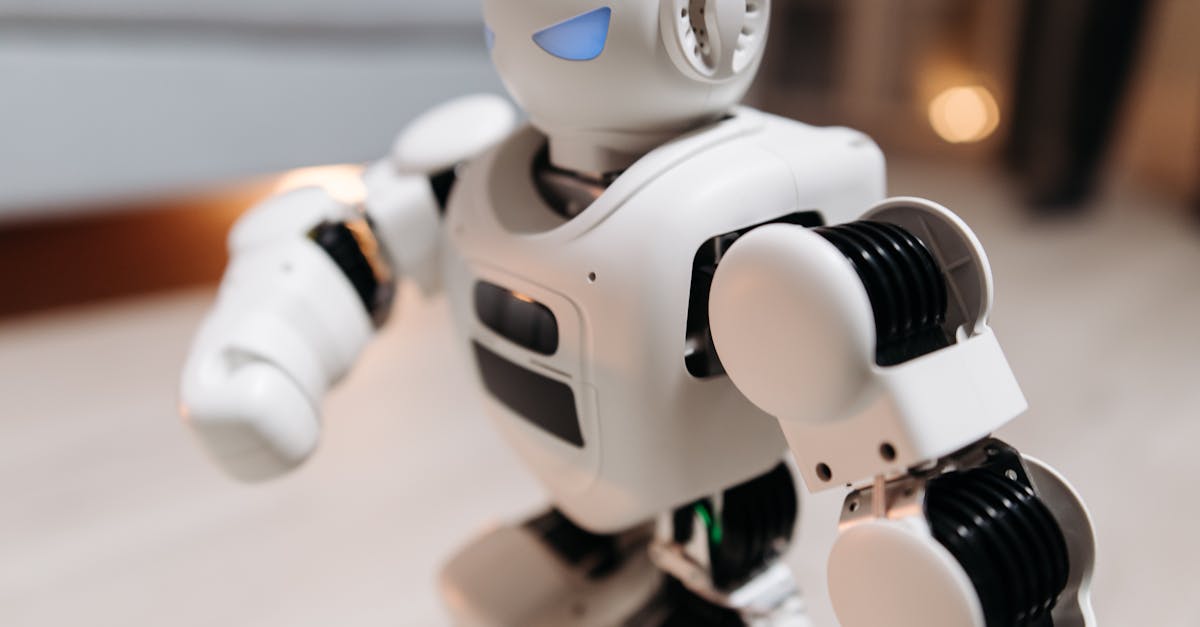
While logistics robots are shipping, the humanoid sector in India remains in the pilot phase. Several startups have announced humanoid robots for consumer and industrial use, but few have shipped units at scale.
Humanoid Deployment Reality:
- Announcements: Multiple startups have released rendered concepts and prototypes.
- Shipping: Limited to beta testing in specific pilot environments.
- Pricing: Estimated landed cost ranges from INR 15 Lakhs to INR 5 Crores per unit, depending on complexity.
VCs are cautious here. The hardware complexity (actuators, sensors) is high, and the ROI for humanoid robots in Indian manufacturing is not yet proven compared to traditional automation.
Manufacturing Economics and Domestic Availability
For Indian robotics startups to survive, they must navigate the economics of domestic manufacturing. Importing components increases the landed cost, making the robots uncompetitive against Chinese or Korean counterparts.
Supply Chain Constraints
Indian robotics startups often rely on imported components for high-precision actuators and sensors. This creates a dependency on foreign exchange rates and supply chain disruptions.
- Actuators: High torque motors often imported.
- Sensors: LiDAR and vision systems frequently sourced from abroad.
- Assembly: Increasingly done in India to qualify for PLI (Production Linked Incentive) schemes.
Approximate Pricing in India
For the average Indian business, the cost of entry for robotics remains significant. While exact pricing varies by configuration, we can estimate the landed cost for common categories:
- Mobile Manipulators: INR 10 Lakhs to INR 25 Lakhs.
- Warehouse AMRs: INR 5 Lakhs to INR 15 Lakhs per unit (fleet pricing).
- Industrial Arms: INR 20 Lakhs to INR 50 Lakhs (excluding integration).
These figures are estimates based on current market rates and manufacturer spec sheets. They exclude integration costs, which can add 20-30% to the total project cost.
The Path Forward: From Funding to Deployment
The transition from VC funding to sustainable revenue is the critical hurdle for the Indian robotics sector. VCs are currently willing to fund the transition, but they are demanding stricter milestones.
Key Indicators for Success
Investors are shifting their criteria from "growth at all costs" to "sustainable unit economics." This means:
- Deployment Rate: Number of units shipped per quarter.
- Service Revenue: Recurring revenue from software and maintenance.
- Customer Retention: Renewal rates for robotic fleets.
Domestic vs. Global Capital
While domestic VCs like Blume and Sequoia are leading the charge, there is a growing interest from global deep tech funds. However, global funds often require global deployment to justify their investment size.
This creates a challenge for startups focused solely on the Indian market. The market size for robotics in India is still maturing, requiring startups to look abroad for revenue to sustain their valuation.
Conclusion
The Indian robotics sector is at a pivotal juncture. The initial phase of hype and concept validation is giving way to a phase of hardware deployment and manufacturing validation. Major VCs like Sequoia, Accel, and Blume are funding this transition, but they are doing so with a focus on shipped hardware and recurring revenue.
For stakeholders, the message is clear: announcements are not enough. The metric that matters now is the number of units shipped and the revenue generated from them. As the sector matures, we expect to see a consolidation of players that can demonstrate this hardware reality.
The availability of robots in India is increasing, but the pricing remains a barrier for widespread adoption. With government incentives and VC capital aligning, the next 24 months will determine which startups survive the hardware reality check.
References
✓ Key takeaways
- •Hands-on view of India Robotics VC: Capital Deployment vs Hardware Reality inside our India Robotics VC library.
- •Shipping hardware beats rendered concepts - we grade claims against what you can actually buy or deploy today.
- •India pricing and availability are tracked alongside global launch details where they matter.
References
Related articles
More in India Robotics VC →