Tesla Optimus: Assessing Progress from Gen 1 Prototype to Gen 2 Pilot
Introduction: The Optimus Reality Check
Tesla's entry into the humanoid robotics market, branded as "Optimus," represents one of the most scrutinized ventures in modern automation. While Elon Musk has frequently projected ambitious timelines for mass deployment, RobotWale's editorial stance requires a strict separation between what is demonstrated on stage, what is shipping in hardware, and what remains in the announcement phase. As of late 2024, Optimus remains in the pilot deployment phase within Tesla's own factories, rather than a commercial product available for general sale.
This assessment focuses on the transition from the Gen 1 prototype unveiled in 2021 to the Gen 2 iteration demonstrated in 2023 and 2024. We analyze the shift from pneumatic to electric actuation, the reliance on camera-based navigation, and the manufacturing scalability required to meet the stated $20,000 price point. There is no current evidence of Optimus being sold to third-party customers outside of Tesla's internal ecosystem.
Evolving Hardware: From Gen 1 to Gen 2
The trajectory of Optimus reveals a rapid iteration cycle, often described as a "flywheel" approach where software improvements drive hardware redesigns. Understanding the physical changes is crucial to judging the engineering maturity of the platform.
Gen 1: The Proof of Concept
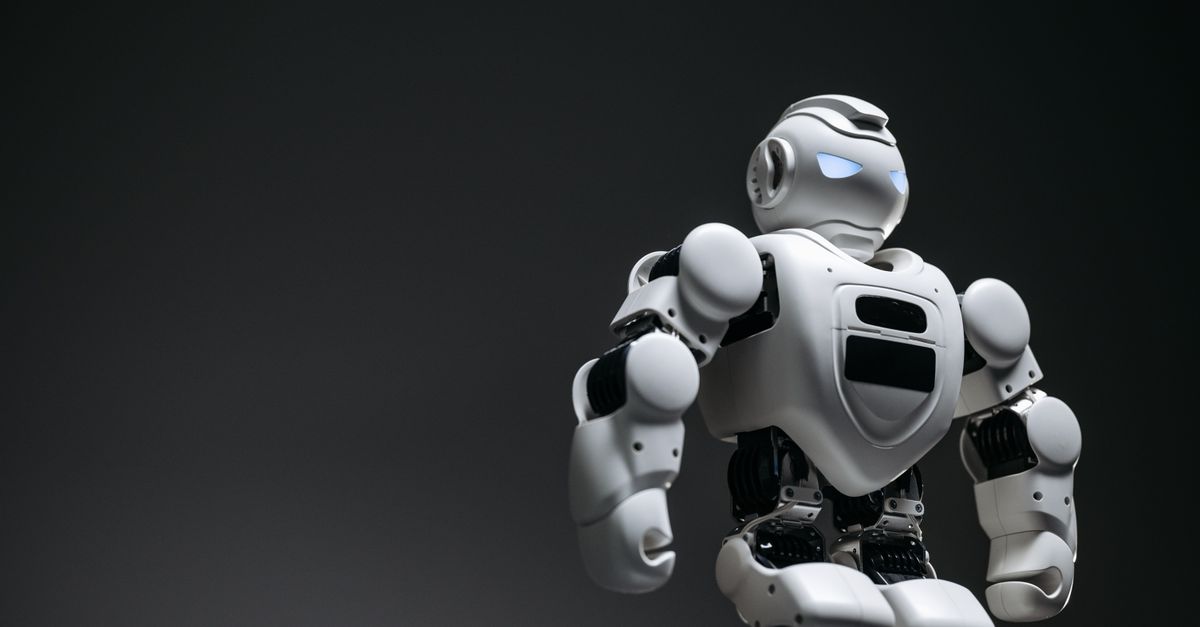
Unveiled in 2021, the initial Optimus prototype was a skeletal frame designed to demonstrate the feasibility of a bipedal form factor. It relied heavily on pneumatic actuators for movement, which offered high torque but limited precision and energy efficiency. The Gen 1 unit was capable of simple walking, but it lacked the dexterity required for complex tasks. Importantly, this version did not meet the weight or cost targets necessary for commercial viability.
Gen 2: The Actuation Shift
The Gen 2 iteration, revealed in 2023, marked a significant hardware overhaul. The most critical change was the replacement of pneumatic systems with custom-designed electric actuators. This shift improved the weight of the robot and the efficiency of its energy consumption. The Gen 2 prototype demonstrated improved walking speeds and stability, though it remained a prototype rather than a production unit.
Key specifications for the Gen 2 hardware include:
- Actuators: Over 40 custom actuators in the body, focusing on torque and range of motion.
- Hands: A shift from fixed grippers to a highly dexterous hand capable of handling fragile objects, such as eggs.
- Navigation: A reliance on Tesla's Full Self-Driving (FSD) stack adapted for humanoid locomotion, utilizing cameras rather than LiDAR for environmental mapping.
While the Gen 2 hardware demonstrates improved capability, independent verification of these specs remains limited to Tesla's own footage. The robot has not yet been subjected to third-party stress testing or open-source benchmarking.
Production and Manufacturing Reality
Tesla has stated that Optimus robots will be manufactured at the Tesla Gigafactory in Texas. This aligns with the company's broader strategy of vertical integration. However, the path from a pilot unit to mass production involves significant engineering challenges, particularly regarding the supply chain for high-torque electric actuators and the battery systems required to power them.
The company claims a production goal of 1 million units by 2030. This figure must be treated as a strategic aspiration rather than a committed delivery schedule. Current deployments are limited to internal factory tasks, such as moving parts between stations or performing repetitive assembly checks. There is no evidence of Optimus units operating in public spaces or commercial retail environments outside of controlled pilot programs.
The reliance on Tesla's internal AI stack also creates a dependency. The robot's intelligence is not modular; it is tightly coupled with the company's neural networks. This limits immediate interoperability with other robotics platforms or third-party software ecosystems.
India Market Availability and Pricing Estimates
For the Indian market, the situation regarding Tesla Optimus is currently characterized by absence rather than presence. Tesla has not officially announced the import of humanoid robots into India. Regulatory frameworks in India regarding autonomous mobile robots are still evolving, with specific guidelines pending from the Ministry of Electronics and Information Technology (MeitY).
Cost Implications
Elon Musk has repeatedly targeted a price point of $20,000 to $30,000 per unit for mass production. For the Indian consumer, this would translate to an approximate landed cost of ₹16.5 lakh to ₹25 lakh INR, depending on customs duties, GST, and localization costs. However, this estimate assumes mass production is achieved as planned.
Until the hardware ships in volume, the pricing remains speculative. Import duties on high-value robotics hardware in India currently range from 10% to 20%, plus GST. If Tesla decides to manufacture locally in India to bypass these costs, significant capital investment in a local Gigafactory would be required before any units could be sold.
Current Import Status
As of 2024, there are no official Tesla Optimus dealers in India. Any unit currently visible in India would be a personal prototype, a research unit sent for collaboration, or a third-party copycat. Consumers should be wary of vendors claiming to sell "Tesla Optimus" units, as no official distribution network exists.
Technical Specifications Summary
Based on available data from Tesla AI Day presentations and investor briefings, the following technical parameters define the current Optimus iteration:
- Height: Approximately 173 cm (5 ft 8 in).
- Weight: Estimated at 57 kg (125 lbs) for the Gen 2 form factor.
- Lifting Capacity: 20 kg (44 lbs) payload capability.
- Battery: Onboard battery system designed for multiple hours of operation before recharging.
- Compute: Tesla Dojo supercomputer or FSD computer hardware adapted for robot control.
These figures represent the "shipping hardware" potential. The actual performance in the field may vary based on software updates and environmental conditions.
Conclusion: Cautious Optimism
Tesla Optimus is undeniably one of the most prominent projects in the humanoid robotics sector. The company's ability to iterate rapidly on hardware design is evident in the transition from Gen 1 to Gen 2. However, the gap between a prototype that can pick up an egg and a commercial robot that can operate reliably in a factory for years remains substantial.
For the Indian market, the outlook remains neutral to cautious. Without official announcements regarding import regulations or local assembly, the $20,000 price point remains theoretical. Industry observers should grade Optimus based on verified pilot deployments rather than promotional timelines. Until mass production begins and independent validation occurs, Optimus remains a promising development rather than a market-ready product.
References
1. Tesla AI Day 2021: https://www.tesla.com/ai-day-2021
2. Tesla AI Day 2023: https://www.tesla.com/ai-day-2023
3. Tesla Optimus Official Page: https://www.tesla.com/optimus
4. Tesla Investor Relations: https://ir.tesla.com
5. Bloomberg Technology Reporting on Optimus Pilots: https://www.bloomberg.com/news/articles/2024-10-04/tesla-optimus-robot-arrives-at-factory
✓ Key takeaways
- •Hands-on view of Tesla Optimus: Assessing Progress from Gen 1 Prototype to Gen 2 Pilot inside our Tesla Optimus library.
- •Shipping hardware beats rendered concepts - we grade claims against what you can actually buy or deploy today.
- •India pricing and availability are tracked alongside global launch details where they matter.
References
Related articles
More in Tesla Optimus →