Indian Drone Startups: Hard Metrics on ideaForge, Garuda Aerospace, and ePlane
Introduction: Beyond the Policy Hype
The Indian drone ecosystem has undergone a significant transformation over the last three years, driven primarily by the liberalized Drone Rules 2021 and the Production Linked Incentive (PLI) scheme. While early media coverage often conflated regulatory permissions with actual deployment, the current landscape demands a shift toward hardware verification. For RobotWale, the metric of success is not the announcement of a prototype, but the delivery of units to customers who operate them under Digital Sky Platform (DSP) mandates. This assessment focuses on three key players: ideaForge Technology, Garuda Aerospace, and ePlane, evaluating them strictly on their shipping history, pilot deployments, and current market availability.
ideaForge Technology: Tactical Deployment Reality
ideaForge Technology has established itself as one of the few Indian drone companies with a significant track record in defense and security applications. Unlike many startups that pivot from consumer electronics to drones without deep engineering heritage, ideaForge leveraged its background in IoT and industrial automation to create robust, fixed-wing systems. Their flagship product, the Netra 110, is a fixed-wing VTOL (Vertical Take-Off and Landing) drone designed for long-range reconnaissance.
The Netra 110 features a range of approximately 100 kilometers and an endurance of up to 3 hours. Crucially, this is not a concept. The company has reported deliveries to Indian Army units and state police forces for surveillance operations. According to their product data sheets, the Netra 110 utilizes a dedicated ground control station (GCS) that operates on encrypted links, a requirement for government contracts in India. This level of encryption capability distinguishes them from hobbyist-grade manufacturers.
Their second major product, the Netra 110A, is a hybrid VTOL specifically tailored for defense missions requiring all-weather operation. The company has publicly demonstrated the Netra 110A in flight tests near their Pune facility, showing the transition from vertical lift to forward flight. While they are a private limited company and do not publish annual revenue in detail, the Ministry of Defence (MoD) has included them in their empanelled vendor lists, a strong indicator of hardware acceptance.
Availability and Pricing:
- Netra Series: Available for government and defense clients only. Private commercial availability is restricted due to regulatory constraints on payload and range.
- Estimated Cost: Industrial-grade tactical drones of this class typically range from INR 15 lakh to INR 40 lakh ($20k-$50k USD) depending on payload sensors (thermal, EO/IR).
ideaForge's strategy relies on high-margin defense contracts rather than mass-market consumer sales. Their revenue model is B2G (Business to Government) and B2B (Business to Business), which ensures stability but limits retail presence.
Garuda Aerospace: Heavy Lift and Manufacturing Scale
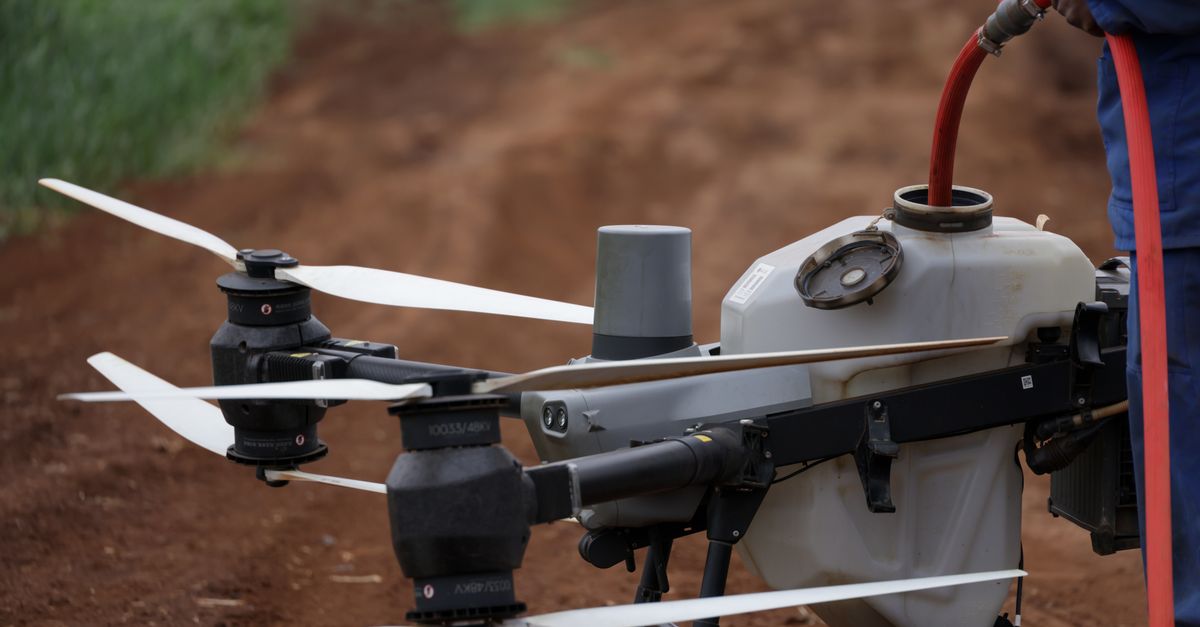
Garuda Aerospace is often cited in drone discussions due to its ambitious focus on heavy-lift capabilities and autonomous navigation. Founded in 2018 and headquartered in Bangalore, the company has moved beyond the prototype phase into serial production. Their primary market focus includes industrial inspection, agriculture, and defense logistics.
Their flagship offering, the Garuda Heavy Lift Drone, is capable of carrying payloads up to 50 kilograms. This is a critical distinction in the Indian market, where the DGCA (Directorate General of Civil Aviation) has a tiered licensing system. Drones carrying over 50kg require specific permissions and often fall under the 'Large' category, necessitating rigorous testing.
Garuda has secured significant funding rounds, including a Series B round that valued the company at over $100 million. While valuation is not a direct proxy for shipping volume, it indicates investor confidence in their manufacturing ramp-up. The company has set up a manufacturing facility in Bangalore that emphasizes local sourcing of components to qualify for PLI benefits. Their focus on 'Swadeshi' manufacturing aligns with the government's push for self-reliance in critical infrastructure.
Deployment Status:
- Industrial: They have deployed drones for power line inspection in partnership with utility providers.
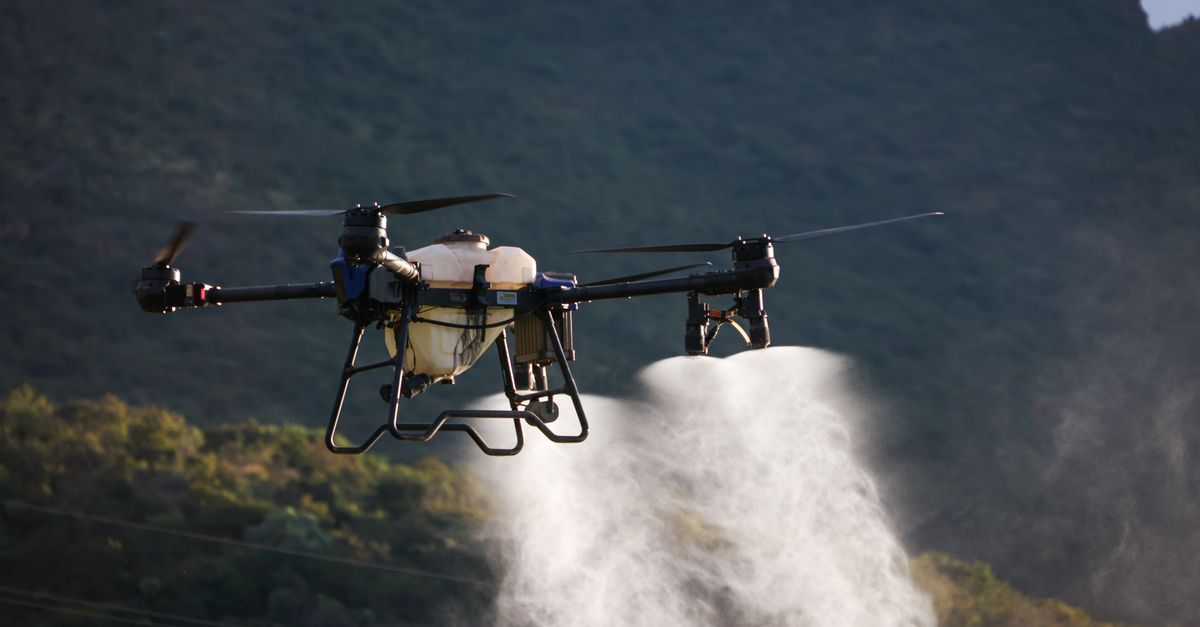
- Agriculture: Pilot programs for crop spraying exist, though widespread adoption is hindered by the lack of autonomous refueling infrastructure in rural areas.
- Defense: They are actively bidding for logistics contracts, including the transport of medical supplies to remote areas.
Estimated Cost:
- Heavy Lift Platform: Approximate landed cost ranges from INR 10 lakh to INR 25 lakh ($12k-$30k USD).
- Components: Battery packs and propulsion systems are often imported, impacting the final landed cost.
Garuda's challenge lies in maintaining a high reliability rate for heavy-lift operations. A single failure in payload delivery can be catastrophic in logistics. Their public testing videos show successful take-offs and landings, but independent third-party verification of their fleet-in-operation is limited.
ePlane: Last-Mile Delivery and Regulatory Hurdles
ePlane represents a different segment of the Indian drone market: last-mile logistics. Founded in 2019, the company aims to automate the delivery of goods, particularly in high-density urban and semi-rural areas. Unlike ideaForge and Garuda, which focus heavily on defense and heavy industrial payloads, ePlane's hardware is optimized for small parcel delivery.
Their operational model relies heavily on Beyond Visual Line of Sight (BVLOS) operations. This is the single biggest bottleneck in the Indian drone ecosystem. While the Drone Rules 2021 allow for BVLOS in specific zones, the implementation on the ground is slow. Most commercial BVLOS testing requires specific No Objection Certificates (NOCs) from the Air Traffic Control and local police.
Hardware Specifications:
- Payload: Typically 2kg to 5kg per delivery.
- Range: Up to 25km per flight (depending on battery technology).
- Autonomy: Uses GPS navigation with manual override for landing zones.
ePlane has completed several pilot deliveries in collaboration with logistics partners. However, the transition from pilot to scale remains a challenge. The regulatory framework requires a 'Digital Sky Platform' (DSP) ID for every drone. If a pilot wants to scale from 10 drones to 1,000, the administrative burden of maintaining compliance on the DSP increases linearly.
Availability:
- Current Status: Active pilots in select cities (e.g., Bangalore, Hyderabad).
- Commercial Rollout: Limited to specific B2B contracts (e.g., delivering medical samples or high-value documents).
- Estimated Cost: Delivery drones are priced between INR 2 lakh and INR 6 lakh ($2.5k-$7.5k USD) per unit.
The company has faced delays in scaling due to the stringent BVLOS regulations. While they have secured funding from prominent investors, the operational reality is that they cannot yet offer a fully autonomous, nationwide delivery network. They are currently operating within a 'controlled ecosystem' where flight paths are pre-approved.
The Regulatory Landscape and Market Reality
The Drone Rules 2021 were a watershed moment, but the on-ground reality involves a complex web of compliance. The Digital Sky Platform (DSP), managed by the Directorate General of Civil Aviation (DGCA), requires registration of the manufacturer, the drone model, and the operator.
Key Regulatory Hurdles:
- No-Fly Zones: Airspace near airports, military bases, and international borders is restricted. This limits the operational radius of drones like those from ePlane.
- Privacy: Data privacy laws regarding aerial surveillance are still being codified. ideaForge's tactical drones must adhere to strict data retention policies.
- Import Duties: While the PLI scheme offers subsidies, high duties on imported lithium batteries and specialized motors affect the landed cost.
For the consumer and small business, the cost barrier remains high. A drone that can carry a 5kg payload costs nearly INR 5 lakhs. For a small logistics firm, this requires significant capital expenditure before revenue generation begins. The return on investment (ROI) is only viable for high-value payloads, not general parcel delivery.
Conclusion: Shipping Hardware First
As of late 2023 and early 2024, the Indian drone sector is moving from the 'concept' phase to the 'compliance and scaling' phase. ideaForge, Garuda Aerospace, and ePlane are the three leaders that have demonstrated the ability to ship hardware that meets regulatory standards.
Grading the Market:
- ideaForge: High grade for defense hardware shipping. Low grade for consumer availability.
- Garuda Aerospace: High grade for heavy-lift capability and manufacturing scale.
- ePlane: Medium grade for logistics deployment; limited by BVLOS regulations.
Investors and buyers should prioritize companies with verifiable shipping records over those with conceptual videos. The Indian drone market is maturing, but it is not yet a mass-market consumer product category. It remains a specialized tool for defense, heavy industry, and high-value logistics. Until the BVLOS regulations become more streamlined and the cost of batteries drops, the heavy lifting will continue to be done by fixed-wing aircraft and traditional logistics networks.
RobotWale continues to monitor the DGCA's Digital Sky Platform data to update these assessments as shipping volumes increase. The gap between policy intent and operational reality is narrowing, but it is not yet closed.
✓ Key takeaways
- •Hands-on view of Indian Drone Startups: Hard Metrics on ideaForge, Garuda Aerospace, and ePlane inside our Indian Drone Startups library.
- •Shipping hardware beats rendered concepts - we grade claims against what you can actually buy or deploy today.
- •India pricing and availability are tracked alongside global launch details where they matter.
References
Related articles
More in Indian Drone Startups →