Indian Drone Startups: Moving Beyond PR to Shipments

The Make in India Drone Push
The Indian drone ecosystem has transitioned from a speculative concept phase to a hardware-first reality. Under the Production Linked Incentive (PLI) scheme and the Drones Rules 2021, the government has mandated Digital Sky Platform compliance for all civil and defence applications. This regulatory framework forces startups to demonstrate tangible hardware capabilities rather than relying solely on renderings. For RobotWale readers, the distinction between a prototype and a shipped unit is critical. We grade claims by shipping hardware first, pilot deployments second, and announcements last.
Three companies dominate the current conversation regarding commercial viability: ideaForge, Garuda Aerospace, and ePlane. Each occupies a distinct segment of the value chain. ideaForge focuses on tactical defence surveillance. Garuda Aerospace targets heavy-lift and agricultural applications. ePlane concentrates on precision agri-spraying for smallholder farmers. While the narrative often suggests a unified boom, the financial and operational realities vary significantly across these entities.
ideaForge Defence Systems
ideaForge Technology Ltd is the most documented case of hardware shipment in the Indian defence sector. Their product, the SkyShark series, is designed for tactical surveillance in border regions. Unlike many consumer drone startups that pivot to advertising services, ideaForge has secured recurring orders from Indian defence forces.
Shipping Reality: The company has reported multiple shipments to the Indian Army and other paramilitary forces. The SkyShark 2 is a quadcopter with a maximum take-off weight (MTOW) of 4.5 kg. It features a 30x optical zoom payload and operates beyond line of sight (BLOS) capabilities.
Pricing and Availability: Exact pricing is often classified, but industry estimates suggest a landed cost between INR 15 lakh and INR 25 lakh per unit for the tactical variants. This pricing reflects the inclusion of secure communication links and ruggedised components. The company emphasises that these are not off-the-shelf consumer products but mission-critical assets requiring operator training.
Garuda Aerospace and Commercial Viability
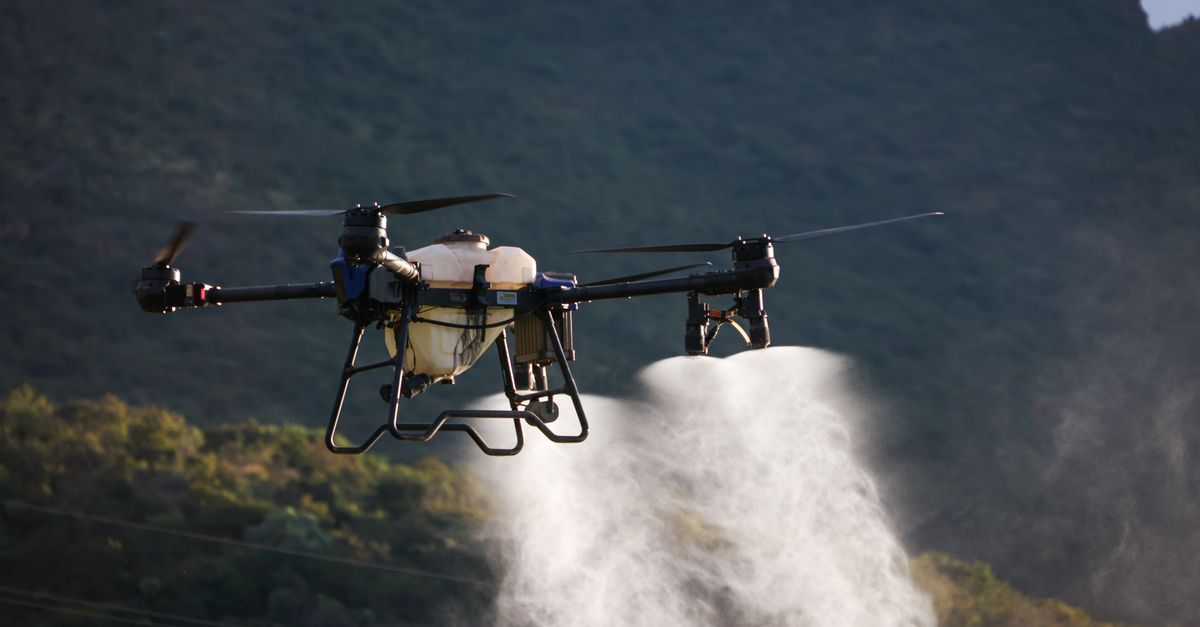
Garuda Aerospace was one of the early entrants in the Indian drone market, focusing initially on heavy-lift logistics. They have recently pivoted towards agriculture and infrastructure inspection. Their hardware, such as the Garuda Heavy Lift Drone, supports payloads up to 50 kg.
Pilot Deployments: Garuda has conducted pilot deployments with state governments for crop spraying and infrastructure mapping. However, the commercial viability of their heavy-lift segment depends on the regulatory environment regarding Beyond Visual Line of Sight (BVLOS) flights. The Digital Sky Platform (DSP) now allows BVLOS operations for specific categories, but approval remains case-by-case.
Financial Health: Recent filings indicate a shift towards sustainability. The company has moved away from speculative venture capital funding towards government tenders. This shift indicates a maturing business model, though high capital expenditure for manufacturing remains a barrier for smaller competitors.
ePlane Agri-Tech Focus
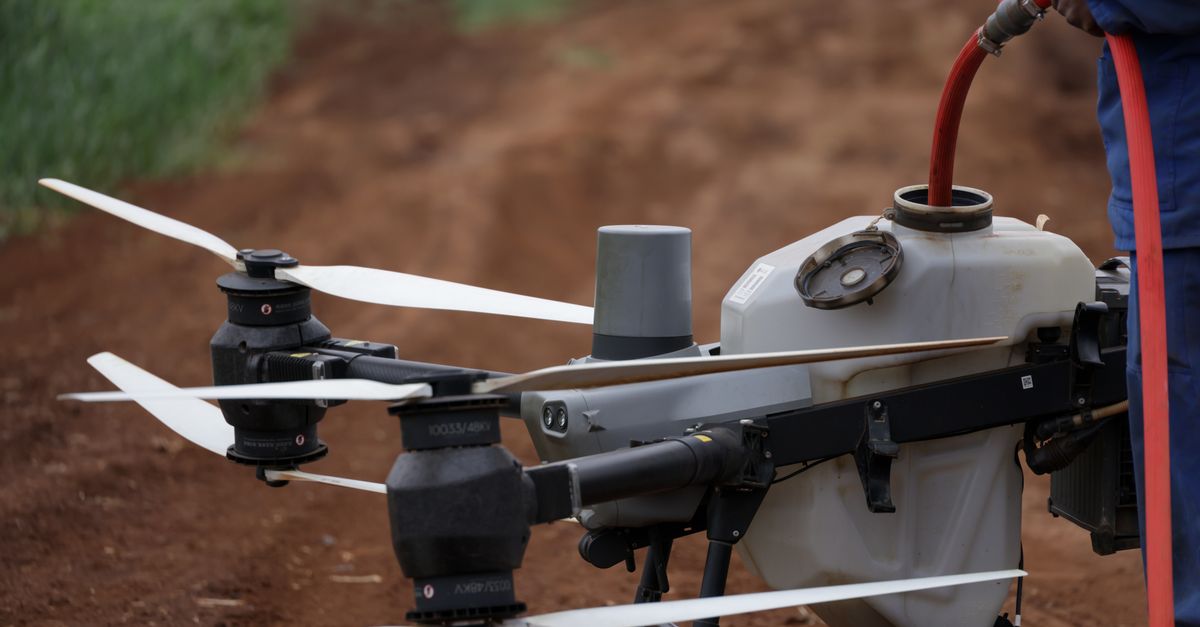
ePlane distinguishes itself by targeting the smallholder farmer segment. Their drones are designed for precision spraying, reducing chemical usage and improving yield. Unlike the heavy-lift focus of Garuda, ePlane prioritises cost efficiency and ease of use for rural operators.
Hardware Specs: The ePlane drone typically features a payload capacity of 10-15 kg. The design includes a foldable frame for transport in rural areas where infrastructure is limited. The company claims a flight time of 30 minutes under optimal conditions.
Market Access: ePlane operates in partnership with local dealers in states like Punjab and Haryana. This model reduces the need for direct after-sales infrastructure in remote locations. Pricing for their entry-level units is estimated at INR 5 lakh to INR 8 lakh, making them accessible to cooperative farmer groups.
Pricing and Availability in India
When evaluating the Indian drone market, landed cost estimates must include import duties on components, GST, and PLI incentives. The PLI scheme allows manufacturers to claim up to 20% of eligible sales value. This subsidy significantly impacts the final price point for the customer.
Component Costs: A significant portion of the cost comes from propulsion systems and batteries. While LiFePO4 batteries are becoming standard for safety, they are more expensive than traditional Li-Ion packs. Domestic supply chains for flight controllers are improving, but high-end sensors often remain imported.
Service Models: Many startups offer Drone-as-a-Service (DaaS) alongside hardware sales. For ideaForge, this is restricted to defence maintenance. For Garuda and ePlane, DaaS is common. Operators rent the drone for a specific project, such as mapping a 500-acre farm. This reduces the upfront CAPEX for the client.
Regulatory Landscape
The DGCA Drones Rules 2021 were a turning point. They replaced the earlier UAS Rules 2021 which were often vague. The new rules mandate the Unique Identification Number (UIN) for every drone and the Digital Sky Platform for all permissions.
Geo-Fencing: All drones must integrate geo-fencing technology to prevent flight near airports, military installations, and national borders. This requires software integration at the firmware level. Companies like ideaForge have invested heavily in this compliance to avoid regulatory penalties.
Pilot Licensing: A pilot license is required for operating drones beyond the visual line of sight. The Digital Sky Platform now offers a simplified training module. This has increased the pool of eligible operators, which is crucial for the scaling of the industry.
Market Sustainability and Challenges
While the sector is growing, the path to profitability is not uniform. ideaForge benefits from defence orders which are high-value but low-volume. Garuda and ePlane face the volume game of agriculture, which is price-sensitive.
Competition: Chinese manufacturers still hold a significant share in the low-end market. Indian startups must compete on price while maintaining quality. The PLI scheme levels this field slightly, but the gap in mass production capability remains.
Export Potential: There is a growing interest in exporting Indian drones to the Middle East and Africa. The regulatory approval for export is complex, requiring NOC from the Ministry of Defence for certain models. ideaForge is the most advanced in this area due to its existing defence pedigree.
Conclusion
The Indian drone industry is moving past the hype cycle. ideaForge, Garuda Aerospace, and ePlane represent three different paths to sustainability. Hardware shipment remains the ultimate test. Until a company can demonstrate consistent revenue from hardware sales rather than service contracts, the claims of dominance remain preliminary.
For the investor or operator, the focus should be on compliance and after-sales support. The regulatory framework is strict, and non-compliance can lead to groundings. The future of Indian robotics lies in the ability to scale manufacturing while adhering to these rigorous standards.
References
- ideaForge Technology Ltd - Official Website & Press Releases
- Garuda Aerospace - Annual Reports and Product Specifications
- ePlane - Product Catalogue and Dealer Network Information
- Digital Sky Platform (Drones Rules 2021) - DGCA Official Portal
- Ministry of Commerce and Industry - PLI Scheme Guidelines
✓ Key takeaways
- •Hands-on view of Indian Drone Startups: Moving Beyond PR to Shipments inside our Indian Drone Startups library.
- •Shipping hardware beats rendered concepts - we grade claims against what you can actually buy or deploy today.
- •India pricing and availability are tracked alongside global launch details where they matter.
References
Related articles
More in Indian Drone Startups →