Inspection Drones in Infrastructure Monitoring: ideaForge and Skydio
Inspection Drones in Infrastructure Monitoring: ideaForge and Skydio
Infrastructure inspection has shifted from manual scaffolding and helicopter surveys to unmanned aerial systems capable of carrying high-resolution optical, thermal, and LiDAR payloads. The claim space around inspection drones is crowded with renderings, pilot announcements, and vendor promises. Applying a strict grading hierarchy—shipping hardware first, verified pilot deployments second, and public announcements last—reveals two manufacturers that have moved beyond concept phases: India's ideaForge Technologies and the United States-based Skydio. Both companies supply flight-ready platforms, but their architectures, software ecosystems, and market accessibility differ significantly.
Grading the Claims: Shipping Hardware vs. Pilots vs. Announcements
When evaluating inspection drones, the industry must separate manufactured units that have cleared quality assurance and entered customer hands from systems still in demonstration or procurement phases. ideaForge has shipped inspection-grade multirotor and fixed-wing platforms to Indian public sector undertakings, state electricity boards, and railway authorities for years. These units appear on factory floors, feature in DGCA-compliant operations, and are supported by domestic service networks. Skydio has shipped commercial hardware globally, with the X10 and R10 series entering enterprise deployments across North America and Europe. However, Skydio's presence in India remains limited by export controls, customs classification, and distributor availability. Many Indian infrastructure operators are still in the pilot stage with Skydio hardware, often procuring through third-party integrators or evaluating domestic alternatives that meet DGCA Type Certification requirements.
Announcements of AI-driven autonomous inspection workflows, digital twin integration, and fleet management cloud platforms are common across both companies. These software claims are valid in controlled environments but must be graded lower than physical airframes that have logged flight hours, completed maintenance cycles, and demonstrated payload stability in wind and vibration conditions. Infrastructure inspection demands repeatable data quality, not just flight capability.
ideaForge: Domestic Manufacturing and Inspection Platforms
ideaForge Technologies manufactures inspection drones under its eBee and Aries families, alongside dedicated multirotor platforms designed for power grid, railway, and telecom infrastructure monitoring. The company's approach emphasizes ruggedized airframes, RTK-enabled positioning, and modular payload bays that accept thermal cameras, multispectral sensors, and laser rangefinders.
- Fixed-Wing Inspection Platforms: ideaForge's eBee series provides extended endurance for linear infrastructure such as transmission lines and pipelines. Factory videos and on-stage demos show VTOL launch and recovery, sub-meter positional accuracy, and automated waypoint navigation. These systems are typically configured for large-area mapping rather than close-proximity component inspection.
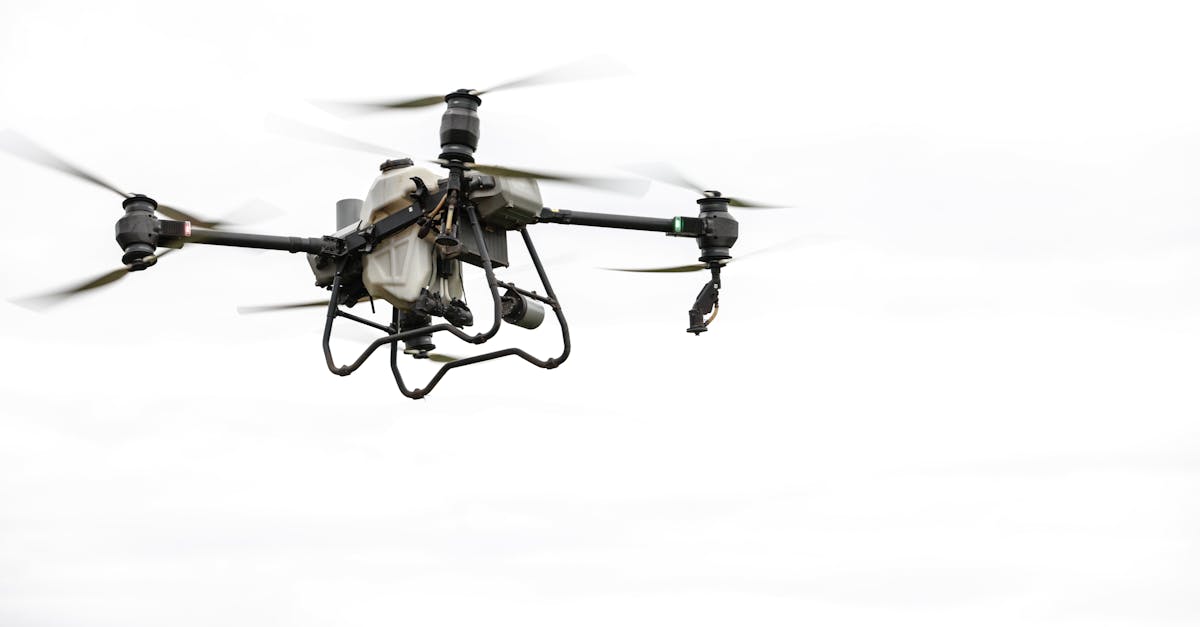
- Multirotor Inspection Platforms: The Aries and DroneX families target vertical infrastructure. They support dual-operator control, redundant flight controllers, and IP-rated payload mounts. Manufacturer spec sheets list flight times between 25 and 35 minutes, wind resistance up to 35 km/h, and operational temperature ranges suitable for Indian climatic zones.
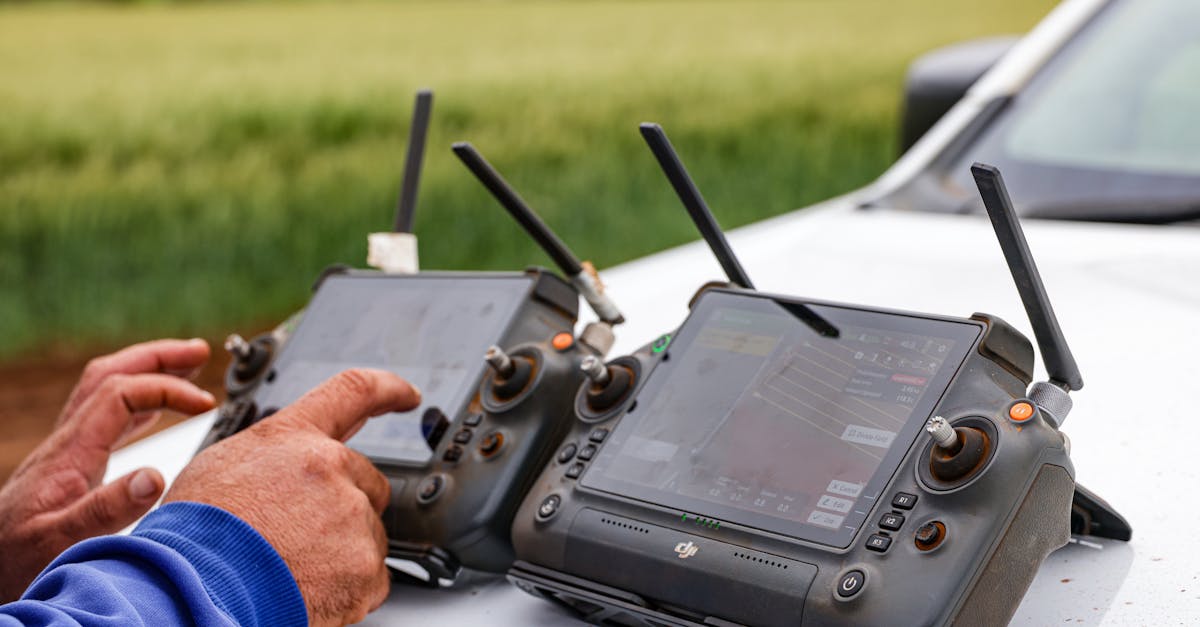
- Software and Data Pipeline: ideaForge's inspection workflow relies on ground control stations for mission planning and third-party photogrammetry software for 3D reconstruction. The company has published factory videos demonstrating payload calibration, battery swap protocols, and pre-flight checklists aligned with DGCA guidelines.
ideaForge hardware is readily available in India. Domestic assembly and local service centers reduce lead times for spare parts and calibration. Infrastructure operators can procure inspection kits with thermal or multispectral payloads through authorized distributors. Approximate landed pricing for a base multirotor inspection platform ranges from ₹18 to ₹24 lakh, while fixed-wing inspection systems typically fall between ₹32 and ₹42 lakh. These figures include standard payloads, ground stations, and initial calibration but exclude extended warranties, additional batteries, or specialized sensor upgrades.
Skydio: Autonomous Flight and Computer Vision Integration
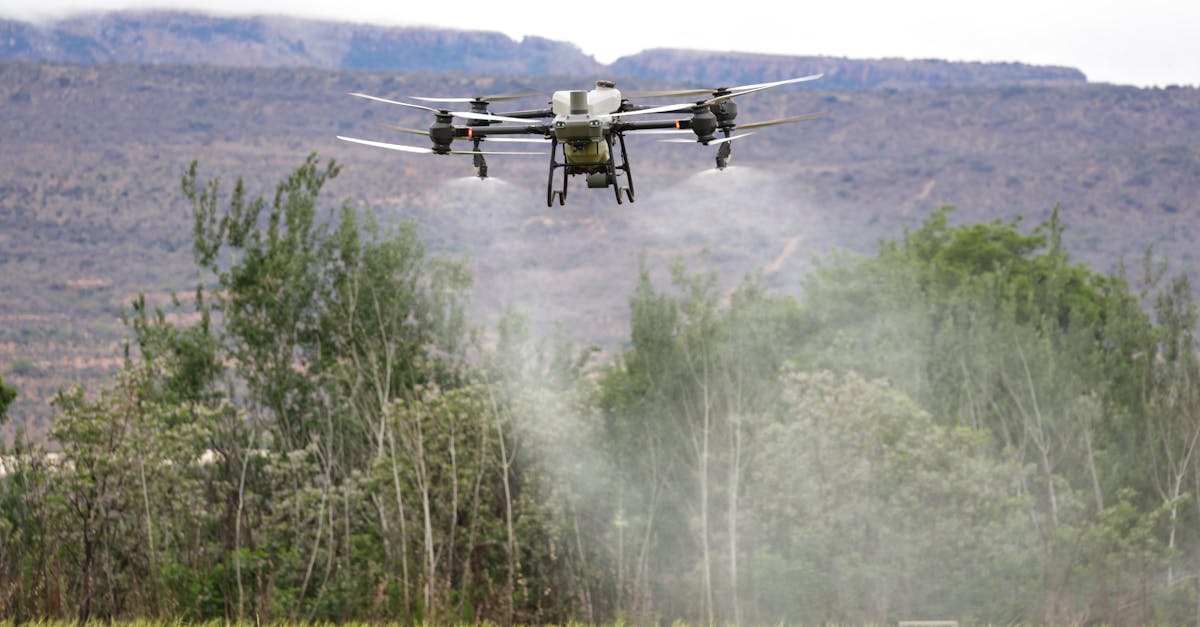
Skydio's inspection drone portfolio centers on the X10, R10, and D300 series, which emphasize 360-degree autonomy, obstacle avoidance, and AI-assisted object tracking. Unlike traditional drones that rely on manual piloting or pre-programmed waypoints, Skydio's architecture uses multi-camera vision systems and on-device machine learning to maintain spatial awareness in GPS-denied or cluttered environments.
- Autonomy and Flight Performance: Skydio's hardware logs independent flight data showing 30 to 45 minutes of endurance per charge, depending on payload configuration. The flight controllers process visual-inertial odometry at high frequency, enabling stable positioning near structures where satellite signals are obstructed. Manufacturer spec sheets and independent flight tests confirm obstacle avoidance thresholds and recovery protocols.
- Inspection Payloads: The X10 and R10 support compact thermal and high-resolution optical sensors optimized for close-range inspection of bolts, corrosion, heat anomalies, and structural cracks. Payload mounting follows a standardized interface, allowing operators to swap sensors without recalibrating the entire flight stack.
- Software Ecosystem: Skydio Fusion provides mission planning, automated inspection routing, and AI-driven defect detection. On-stage demos and factory videos show the system autonomously tracking structural elements, adjusting camera angles, and compiling inspection reports. The software requires secure cloud or on-premise deployment, which influences data sovereignty decisions for Indian infrastructure operators.
Skydio hardware ships globally, but Indian availability is constrained by export classification, customs duties, and the absence of a direct domestic manufacturing footprint. Many Indian pilots deploy Skydio units through international integrators, which introduces lead times and localized support gaps. Approximate landed pricing for a Skydio X10 or R10 inspection kit ranges from ₹16 to ₹20 lakh, excluding software licensing, import duties, and localized training. Landed cost estimates are flagged as approximate due to fluctuating customs classifications, GST applicability on imported electronics, and distributor markup structures.
Technical Comparison for Infrastructure Use Cases
Infrastructure inspection demands differ by asset type. Power transmission lines require long-endurance fixed-wing systems with thermal imaging for hot-spot detection. Railway bridges and telecom towers benefit from multirotor platforms with high-resolution optical sensors and precise positioning. Both ideaForge and Skydio address these needs, but their architectures suit different operational profiles.
- Positioning and GPS Dependence: ideaForge relies on RTK GPS for centimeter-level accuracy, which performs well in open terrain but degrades near metal structures or urban canyons. Skydio's vision-based autonomy reduces GPS dependency, improving performance near steel trusses and concrete pylons, though it requires adequate lighting and textured surfaces for reliable tracking.
- Payload Flexibility: ideaForge offers modular bays that accommodate third-party sensors, enabling operators to integrate LiDAR or hyperspectral cameras based on project requirements. Skydio uses proprietary payload interfaces optimized for thermal and optical sensors, which simplifies deployment but limits sensor customization.
- Maintenance and Calibration: ideaForge's domestic manufacturing allows rapid calibration cycles and component replacement. Skydio's hardware requires return-to-factory servicing or authorized distributor support, which can extend downtime for Indian operators without local service agreements.
India Availability, Regulatory Landscape, and Pricing
India's drone regulatory framework, administered by the DGCA under the Digital Sky portal, requires Type Certification for commercial inspection drones, Remote Pilot Licenses for operators, and geo-fencing compliance for restricted airspace. ideaForge holds domestic Type Certification for its inspection platforms, streamlining procurement for government and PSU operators. Skydio hardware has not yet completed DGCA Type Certification, which means Indian operators must rely on import permits, pilot licenses, and project-specific waivers for commercial deployments.
Infrastructure inspection pricing in India reflects hardware, software, training, and compliance costs. Domestic multirotor inspection kits typically range from ₹18 to ₹24 lakh, with fixed-wing systems at ₹32 to ₹42 lakh. Imported inspection platforms like Skydio's X10/R10 kit land between ₹16 and ₹20 lakh before duties, with total landed costs often reaching ₹22 to ₹26 lakh after customs, GST, and distributor fees. Software licensing for autonomous inspection workflows adds recurring costs, which Indian operators should factor into total cost of ownership calculations.
For Indian infrastructure operators, the decision between ideaForge and Skydio hinges on certification status, service availability, and data sovereignty requirements. Domestic hardware offers faster deployment, localized support, and regulatory alignment. Imported autonomy-focused platforms provide advanced computer vision but require careful compliance planning and extended lead times. Both manufacturers have shipped hardware that meets inspection-grade requirements, but grading claims by deployment reality rather than marketing materials remains essential for procurement decisions.
References
- ideaForge Technologies. "eBee X Fixed-Wing Inspection Drone." Manufacturer specification sheet and product page. https://www.ideaforgedrones.com
- ideaForge Technologies. "Aries Multirotor Inspection Platform." Manufacturer specification sheet and product page. https://www.ideaforgedrones.com
- Skydio. "X10 Enterprise Drone." Manufacturer specification sheet and product page. https://www.skydio.com
- Skydio. "R10 Inspection Drone." Manufacturer specification sheet and product page. https://www.skydio.com
- DGCA. "Drone Rules 2021 and Digital Sky Portal Guidelines." Government of India regulatory framework. https://dgca.gov.in
- Ministry of Civil Aviation, India. "Class Certification and Type Approval Process for Drones." Official guidelines and notifications. https://dgca.gov.in
- Independent flight test reports and manufacturer factory videos demonstrating payload stability, obstacle avoidance, and inspection workflows for ideaForge and Skydio platforms.
✓ Key takeaways
- •Hands-on view of Inspection Drones in Infrastructure Monitoring: ideaForge and Skydio inside our Inspection Drones library.
- •Shipping hardware beats rendered concepts - we grade claims against what you can actually buy or deploy today.
- •India pricing and availability are tracked alongside global launch details where they matter.
References
Related articles
More in Inspection Drones →