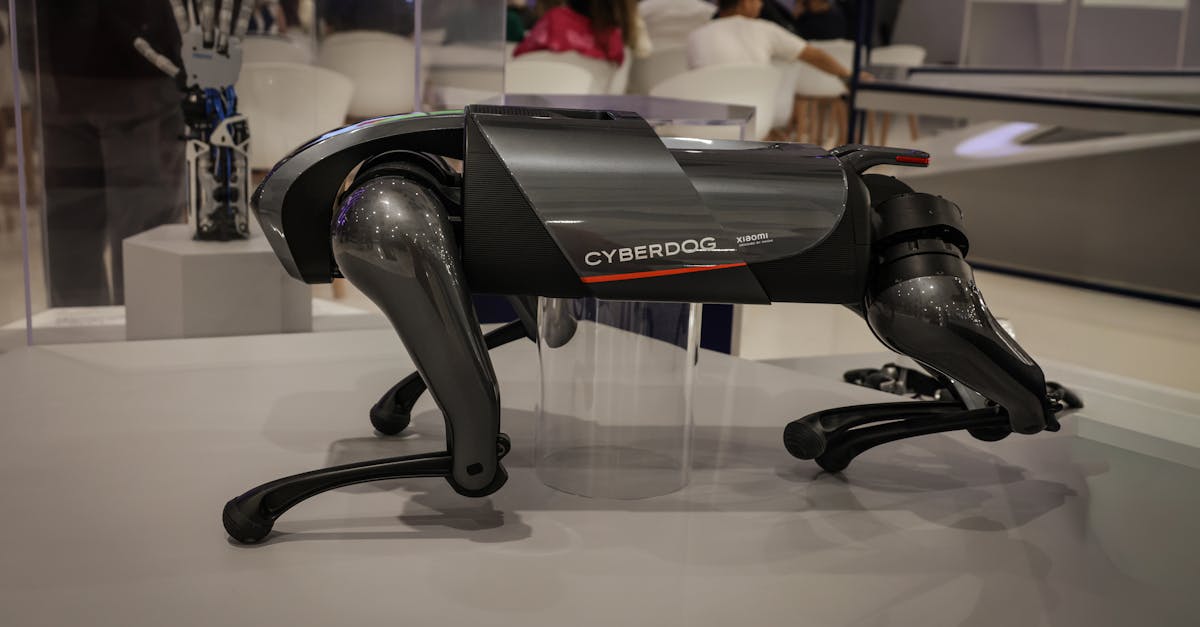
Make-in-India Robotics: Policy, Manufacturing, and Reality
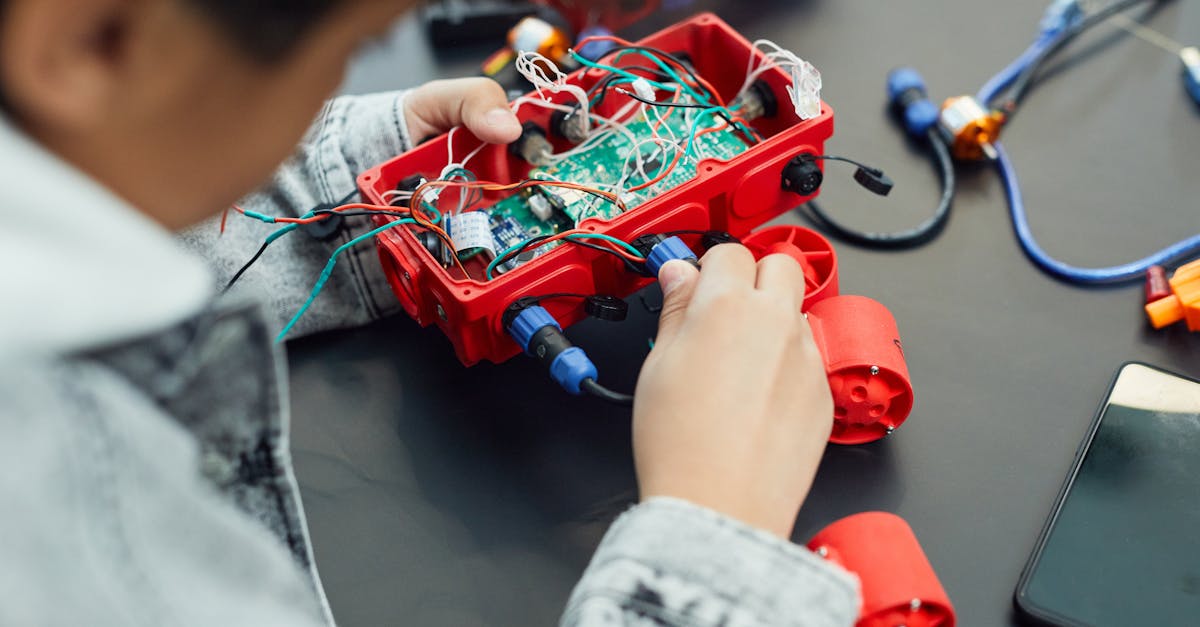
The Policy Backbone of Domestic Robotics
The Indian robotics sector is undergoing a structural shift, moving from a purely import-dependent model to one seeking localized manufacturing. This transition is primarily driven by the Production Linked Incentive (PLI) scheme for the Electronics Manufacturing sector and the Draft National Robotics Policy 2023. While the ambition to achieve self-reliance in high-tech automation is clear, the current reality distinguishes sharply between assembly plants and full-value manufacturing.
Under the PLI scheme, manufacturers receive a 4% incentive on incremental sales of products manufactured in India. This applies to specific categories within the electronics ecosystem, including robotics components such as actuators, control systems, and sensors. However, the definition of 'value addition' remains a critical metric for eligibility. Companies must demonstrate that a significant portion of the Bill of Materials (BOM) is sourced domestically to qualify for the full incentive. Without this localization threshold, the cost benefit of the PLI scheme remains marginal for the end consumer.
The Draft National Robotics Policy 2023 aims to address these structural gaps. It proposes a framework for skilling, R&D funding, and standardization. The policy envisions a target of increasing domestic capacity significantly by 2025. However, the current penetration of industrial robots in India remains low, estimated at less than 10 units per 10,000 employees, compared to the global average. The focus on skilling is critical, as the shortage of robotic technicians affects deployment speed across automotive and manufacturing clusters.
Domestic Manufacturing Capabilities
In the realm of industrial robotics, established global players have deepened their local footprint. ABB India, for instance, has established a manufacturing facility in Pune, producing select models of collaborative and industrial robots. Similarly, Yaskawa Electric has expanded its presence in Noida, offering localized support and assembly for its Motoman series. These facilities primarily handle final assembly, box build, and calibration, reducing the landed cost for Indian clients. For a standard six-axis industrial arm, the landed cost ranges from INR 15 lakh to INR 25 lakh, depending on payload and reach. This pricing is competitive compared to fully imported units but includes significant import duties on core components like harmonic drives.
Mobile robots represent a more vibrant segment for domestic manufacturing. Companies like Irobotics and Quicktron India are producing Autonomous Mobile Robots (AMRs) designed for warehouse logistics. These units utilize off-the-shelf sensors and battery packs, allowing for higher localization rates of the mechanical structure. The pricing for a standard AMR with a payload of 500 kg ranges between INR 12 lakh and INR 30 lakh. This affordability is driving adoption in the automotive and e-commerce sectors, where labor costs are rising and efficiency is paramount.
The humanoid robotics sector remains the most speculative area for 'Make in India'. While several startups have announced prototypes, very few have achieved serial production. Embotix and Symbio Robotics have showcased concepts, yet independent verification of shipping units is limited. The Editorial Voice at RobotWale grades these claims strictly: shipping hardware ranks highest, followed by pilot deployments. Currently, the sector is in the pilot phase. A humanoid robot with full-force actuation and AI integration requires a supply chain that India is still developing.
Component Manufacturing Bottlenecks
Component manufacturing is the primary bottleneck. High-torque motors, precision gearboxes, and high-fidelity sensors are predominantly imported from China, Japan, or Europe. Domestic startups are attempting to reverse engineer these components, but the cost of R&D often exceeds the immediate market demand. Without a robust local supply chain for actuators, the landed cost of a domestically assembled robot remains close to imported equivalents, negating the primary benefit of local manufacturing.
The supply chain for lithium-ion batteries, which power most mobile and collaborative robots, is also developing. While India has begun domestic cell production under the PLI scheme for Advanced Chemistry Cell batteries, the integration into robotics requires specific power management systems. This adds a layer of complexity for manufacturers aiming to claim 'Made in India' status for battery-powered units.
The Humanoid Frontier
The narrative around humanoids in India often outpaces the hardware reality. Startups like Symbio Robotics and Embotix have demonstrated prototypes at industry events, showcasing the potential for localized AI and mechanical design. However, the transition from prototype to serial production is where the 'Make in India' claim loses ground. Most of these units are currently deployed in pilot deployments within specific factories or research labs.
Global manufacturers like Tesla and Figure AI have expressed interest in the Indian market, but no large-scale manufacturing facilities for humanoids have been announced in India as of late 2023. The cost of a humanoid robot, if fully imported, exceeds INR 50 lakh. A domestic version would need to undercut this significantly to justify the investment, but the complexity of the mechanical structure makes this difficult without economies of scale.
Cost Structure and Pricing in INR
Pricing transparency is another challenge. While manufacturer spec sheets exist, the final landed cost often includes GST, import duties, and integration fees. For a typical industrial robot, the total cost of ownership (TCO) over five years includes maintenance, calibration, and spare parts. This is crucial for Indian manufacturers evaluating ROI. An industrial arm with a payback period of 18 months is standard, but this varies based on the application and the specific automation task.
For mobile robots, the pricing model often includes a subscription for software or mapping data. This cloud-based revenue stream is becoming common in the Indian market, where upfront CAPEX is a barrier for small and medium enterprises (SMEs). The shift to OPEX models allows SMEs to adopt robotics without heavy capital expenditure, though it changes the long-term cost structure.
Global OEMs vs. Domestic Startups
The competitive landscape is bifurcated between global Original Equipment Manufacturers (OEMs) and domestic startups. Global OEMs leverage their supply chain and established R&D pipelines to offer reliable hardware. Domestic startups leverage cost arbitrage and local customization. However, the reliability gap remains significant. A robot that fails frequently in a high-speed assembly line costs more in downtime than the savings from local pricing.
Government initiatives also extend to R&D grants. The Department of Science and Technology (DST) offers funding for deep-tech startups. However, the approval process can be lengthy, affecting agile startups. For hardware companies, cash flow is vital. The transition from prototype to pilot requires significant capital, which is often harder to secure than software funding.
Conclusion and Outlook
Looking forward, the integration of AI with hardware is the next frontier. Indian startups are focusing on machine vision and navigation stacks, leveraging local software talent. However, hardware reliability remains the key differentiator. As the market matures, consolidation is expected among smaller players who cannot sustain the high capital expenditure required for manufacturing.
In conclusion, the 'Make in India' robotics narrative is evolving from a policy promise to a manufacturing reality. While the assembly base is strengthening, the core component ecosystem requires further investment. For buyers, the focus should remain on the total cost of ownership and the availability of after-sales support, rather than just the 'Made in India' tag. The path to self-reliance will depend on the localization of critical components and the scaling of pilot deployments into commercial contracts.
References
- Ministry of Electronics and Information Technology (MeitY). Production Linked Incentive Scheme for Electronics Manufacturing.
- ABB India. ABB India Manufacturing Facilities.
- Yaskawa Electric. Yaskawa India Operations.
- Robotics Association of India. Robotics Industry Association India.
✓ Key takeaways
- •Hands-on view of Make-in-India Robotics: Policy, Manufacturing, and Reality inside our Make-in-India Robotics library.
- •Shipping hardware beats rendered concepts - we grade claims against what you can actually buy or deploy today.
- •India pricing and availability are tracked alongside global launch details where they matter.
References
Related articles
More in Make-in-India Robotics →